


A special-purpose centrifuge is built for one standard method. COLO.Science offers CRUDE100 for water and sediment in crude oil, GERBER8 with heating for the Gerber milk-fat method, the COLOCYT cytocentrifuge and the LACEVAC-1C, LACEVAC4, LACEVAC6 and LACEVAC7 centrifugal vacuum concentrators for solvent evaporation. Choose by the method your laboratory follows.
Special-Purpose Centrifuges
Showing all 7 results
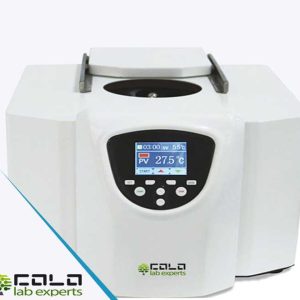
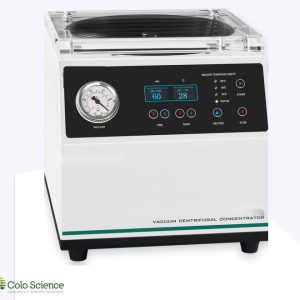
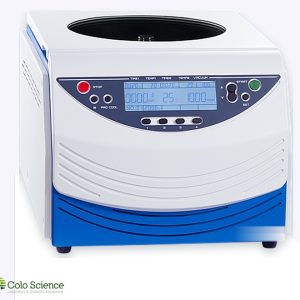
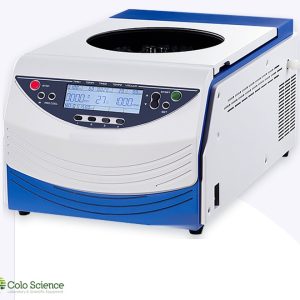
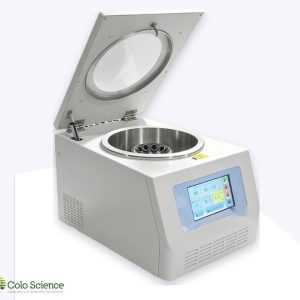
Special-purpose centrifuges: which one for which method
Each centrifuge below is designed around a specific method and its tubes.
1Types of special-purpose centrifuge
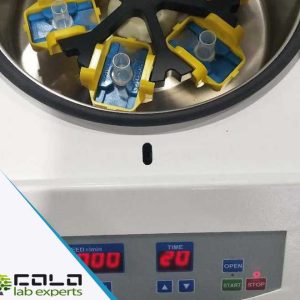
| Crude oil centrifuge | CRUDE100 with 4 × 100 ml cone-shaped tubes for water and sediment determination in crude oil and fuels. |
|---|---|
| Gerber centrifuge | GERBER8 spins 8 butyrometers with heating for milk and dairy fat determination by the Gerber method. |
| Cytocentrifuge | COLOCYT deposits cells from body fluids directly on microscope slides. |
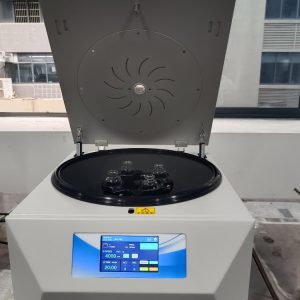
| Centrifugal vacuum concentrator | Centrifugation under vacuum evaporates solvents from many samples at once without bumping: LACEVAC-1C, LACEVAC4 (adjustable vacuum 0.1–100 mbar), LACEVAC6 and LACEVAC7 with built-in pump. All sample concentrators |
2How to choose
- Method. Start from the standard you follow — the method defines tubes, speed and temperature.
- Tubes and places. Check the number of tubes per run against your daily workload.
- Heating, cooling or vacuum. Gerber needs heating; oil tests often need a heated chamber; cytology needs gentle acceleration; solvent evaporation needs vacuum, a pump and a cold trap.
3Applications

- Milk and dairy fat by the Gerber method
- Water and sediment in crude oil
- Cytology slides from body fluids
- Solvent evaporation and drying of DNA, peptides and extracts under vacuum
Special-purpose centrifuges – frequently asked questions
Can a general centrifuge replace a Gerber centrifuge?
Not reliably — the Gerber method requires butyrometer holders, defined speed and heating at 65 °C.
What is a centrifugal vacuum concentrator?
A centrifuge working under vacuum: rotation keeps the liquid at the tube bottom while the solvent evaporates at low temperature, so many samples are dried at once without boiling over. Choose a model with a built-in pump or connect your own.
Working to a specific method?
Tell us the method and sample type — we recommend the centrifuge and accessories and send a quotation.