


Laboratory Cooling Equipment
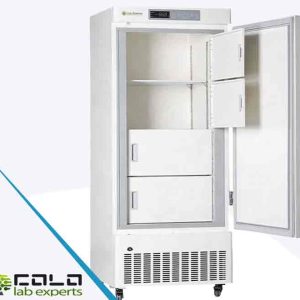
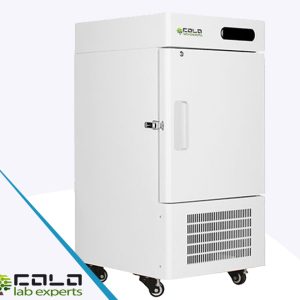
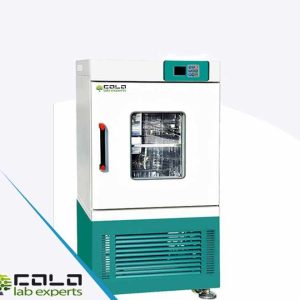
Laboratory cooling equipment is essential for controlled storage of temperature-sensitive materials in research, routine quality control, education and industrial laboratory environments. Within this category, laboratory refrigerators represent the primary equipment group for safe positive-temperature storage of samples, reagents, media, reference materials and other materials that require stable day-to-day cooling conditions. In practical laboratory workflows, laboratory cooling equipment helps maintain product integrity, improve storage consistency and support traceable sample handling. Temperature stability, uniform air circulation, alarm functions, internal organization and reliable long-term operation are all important factors when selecting a suitable laboratory refrigerator for routine use. This category is created as the main entry point for laboratory cooling equipment on COLO.Science. At this stage, the initial focus is on laboratory refrigerators. Over time, this section can be expanded with dedicated subcategories for low temperature freezers, ultra-low temperature freezers and other specialized cooling systems, but the current structure is intentionally centered on refrigerator-based storage solutions.
CATEGORY STRUCTURE (NAVIGATION HUB)
Laboratory Refrigerators
Low Temperature Freezers (planned)
Ultra-Low Temperature Freezers (planned)
Biomedical / Pharmacy Refrigerators (optional future group)
LABORATORY COOLING EQUIPMENT GROUPS
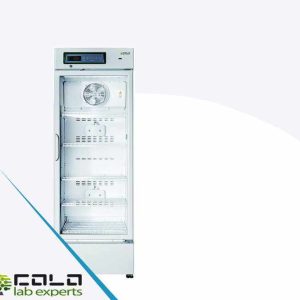
Laboratory refrigerators – core cooling systems for controlled positive-temperature storage of samples, reagents, standards, media and routine laboratory materials.
Upright and undercounter refrigerator configurations – selected according to available space, storage volume, access frequency and internal organization requirements.
General-purpose and application-specific cooling systems – refrigerators may be chosen based on required temperature stability, air circulation, shelving layout, door type, alarms and recording functions.
SELECTION CRITERIA
When selecting laboratory cooling equipment, laboratories typically evaluate usable storage volume, temperature consistency, airflow design, alarm coverage, door security, shelf configuration and long-term operational reliability. For everyday sample and reagent storage, laboratory refrigerators should provide stable cooling performance and practical internal organization that supports routine workflows rather than domestic-style storage behavior.
FEATURED: LABORATORY REFRIGERATORS
Modern laboratory refrigerators are designed for reliable storage of materials that require stable cooling conditions, easy monitoring and practical access. Compared with ordinary household refrigeration, laboratory refrigerators are typically selected for better temperature management, more suitable internal layout, alarm functions and better compatibility with laboratory storage routines. This makes them a strong first step when building a complete laboratory cooling equipment portfolio on COLO.Science.
<!–
View Laboratory Refrigerators
Request a Quote
Explore COLO.Science
Cold Chain Categories

Cold Chain
Showing all 8 results