


Centrifuges are essential laboratory instruments for sample separation, clarification, concentration and preparation before analysis. They are used in clinical diagnostics, microbiology, molecular biology, veterinary laboratories, food testing, environmental analysis and routine laboratory workflows.
The correct model is selected according to sample type, tube volume, rotor capacity, required RPM or RCF, temperature control, available bench space and daily workload. A compact instrument may be suitable for quick microtube handling, while clinical, refrigerated or vacuum models are selected when the application requires a more specific configuration.
This overview page helps users understand the main centrifuge groups before moving to the detailed product catalog. For model comparison, SKU selection and technical specification links, continue to the dedicated laboratory centrifuges catalog.
Centrifuges for different sample preparation workflows
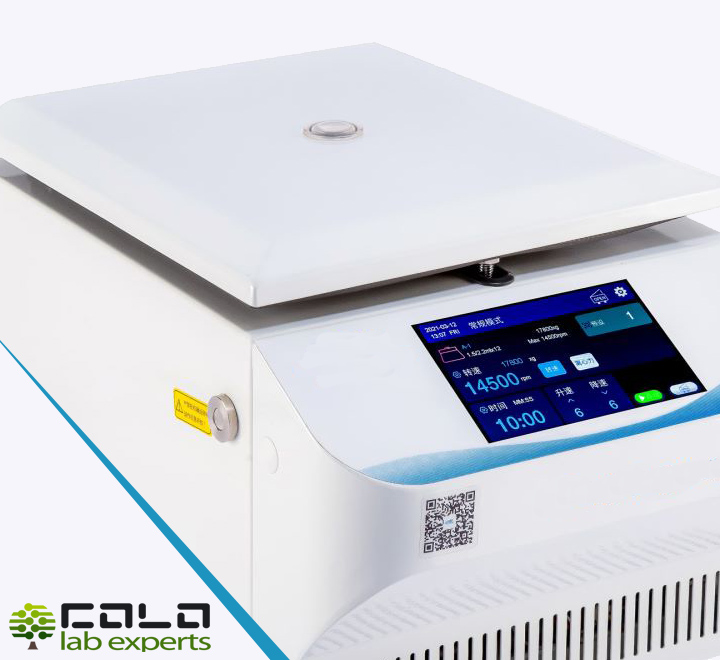
Main centrifuge types
Laboratory users usually choose between compact mini models, routine clinical units, refrigerated systems, vacuum instruments and general-purpose benchtop models. Each group has a different role in sample preparation. The most important task is to match the instrument to the method, tube format and number of samples per run.
Mini models
Mini units are suitable for quick spin-down, microtubes and small-volume preparation steps near the workstation.
Clinical models
Clinical units are used for blood tubes, serum and plasma preparation, veterinary diagnostics and routine laboratory separation.
Refrigerated models
Refrigerated systems are selected when samples must remain under controlled temperature conditions during separation.
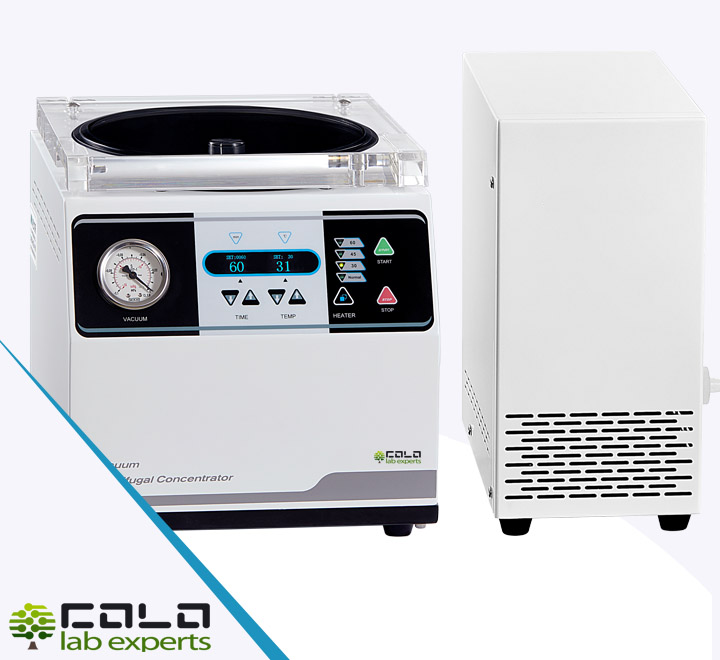
Vacuum models
Vacuum systems are used for specialized preparation workflows where concentration, drying or advanced sample handling is required.
Important selection parameters
The most important comparison parameters are maximum RPM, maximum RCF, rotor capacity, tube compatibility and rotor geometry. RPM describes rotational speed, while RCF describes the actual centrifugal force applied to the sample. In many laboratory methods, RCF is the better comparison value because rotor radius affects the final force.
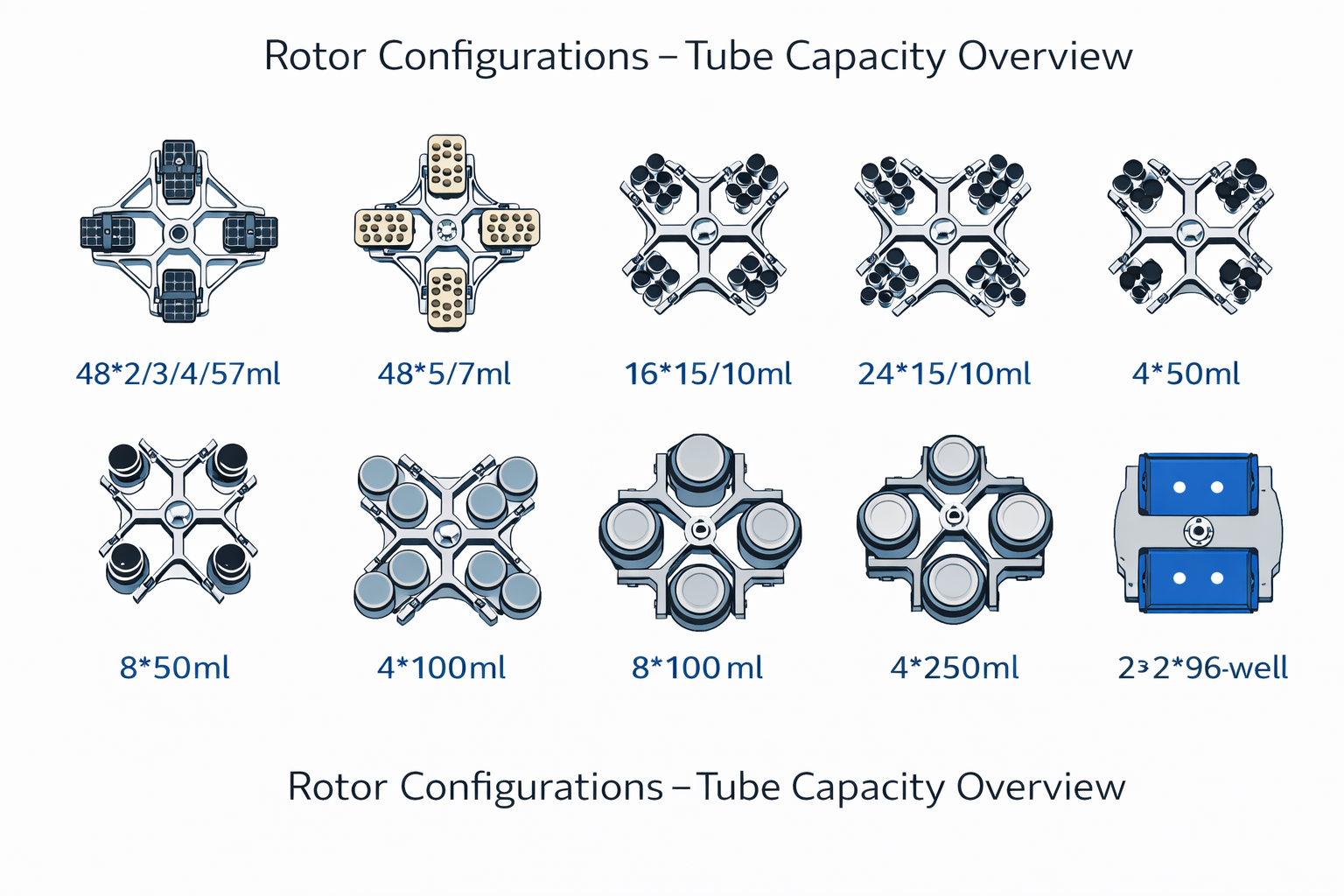
Rotor compatibility should always be checked before final selection. A rotor for microtubes is not the same as a rotor for blood tubes or larger conical tubes. The user should check tube volume, number of positions, rotor lid design, balance requirements and whether a fixed-angle or swing-out rotor is preferred.
For routine work, simple operation and repeatability may be more important than very high maximum speed. For research or temperature-sensitive workflows, cooling performance, program memory and rotor flexibility may become decisive. For broader laboratory application context and technical background, visit the COLO.Science knowledge portal.
From sample preparation to reliable results
Good centrifugation starts before the instrument is switched on. The laboratory method should define the sample volume, tube type, required separation force and expected run time. Balanced loading, correct rotor use and proper tube compatibility are important for safe operation and repeatable results.
In routine laboratories, centrifuges are often used by several operators during the same working day. Clear controls, visible settings and simple rotor handling make the workflow easier and reduce the risk of incorrect operation. This is especially important in clinical, veterinary and quality control laboratories where sample preparation must be fast, repeatable and easy to document.
When comparing models, it is useful to think beyond the current method only. A slightly more flexible rotor configuration or a wider tube compatibility range can make the instrument more useful when the laboratory later adds new methods or sample types.
Continue to the centrifuge catalog
Use the catalog page to compare model groups, rotor options, tube formats, technical specifications and product links before sending a request for quotation.