


Concentration and evaporation: vacuum concentrators, nitrogen evaporators and rotary evaporators
Removing solvent is the step between extraction and analysis. COLO.Science supplies vacuum centrifugal concentrators for many small samples at once, nitrogen evaporators for tubes and microplates, rotary evaporators for larger volumes, and the vacuum control around them. This category helps you choose by sample format, solvent, volume and number of samples per run.
- Lab Equipment — general laboratory instruments
- Sample Preparation — parent group
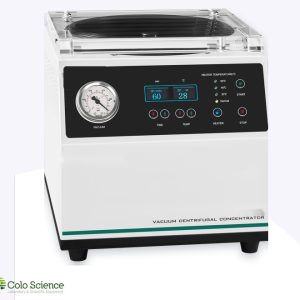
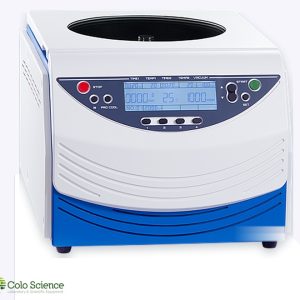
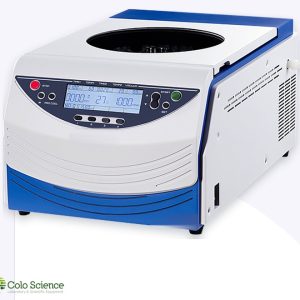
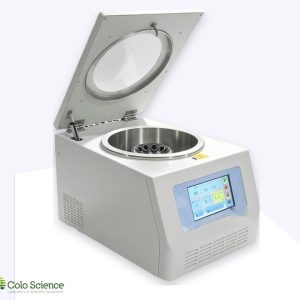
- Vacuum centrifugal concentrators — LACEVAC-1C, LACEVAC4, LACEVAC6, LACEVAC7
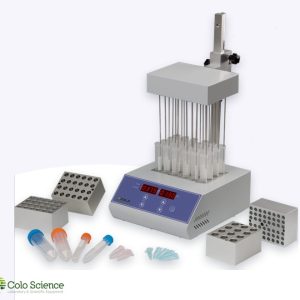
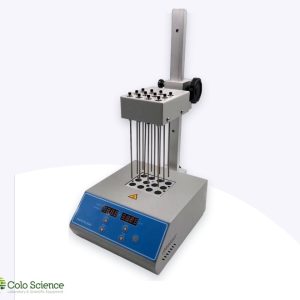
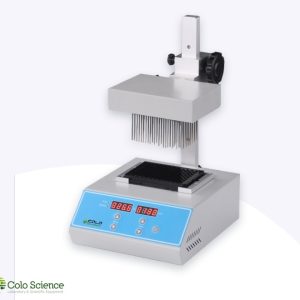
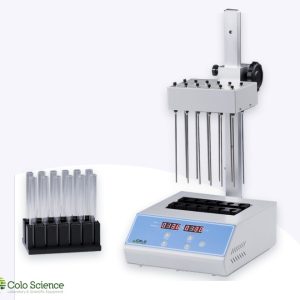
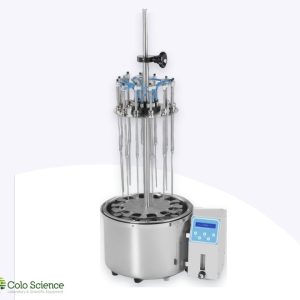
- Nitrogen evaporators — SACO100, SACO200, SACO300, SACO400, SACO1000
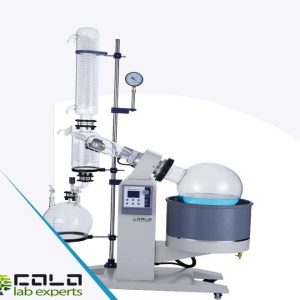
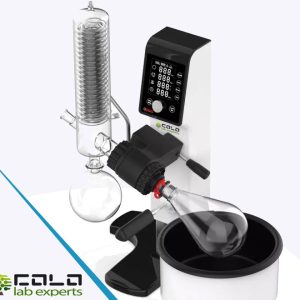
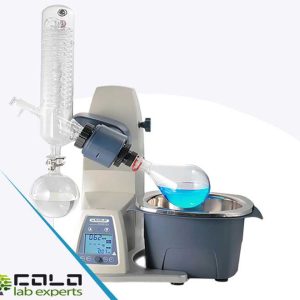
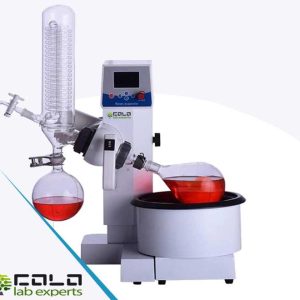
- Rotary evaporators — ROVA193, ROVA450, ROVA900, ROVA901
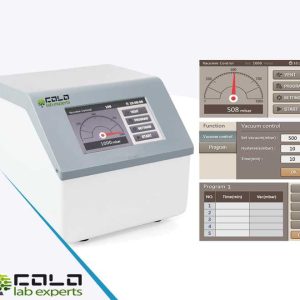
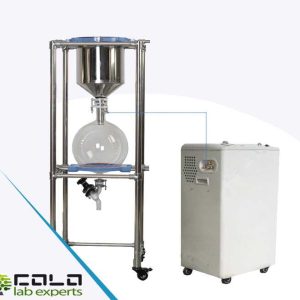
- Vacuum control and filtration — ROVA101, ROVAVF10
- Sample concentrators — vacuum centrifugal and nitrogen concentrators together
Tubes from 0.2 to 50 mL are dried or concentrated under vacuum while the rotor keeps the liquid at the bottom of the tube — many samples treated the same way, without bumping or cross-contamination.
- LACEVAC-1C — compact, without or with pump, RT+5 to 70 °C, 66 × 1.5 mL rotor included
- LACEVAC4 — set vacuum 0.1–100 mbar, RT+5 to 100 °C, 30 programs
- LACEVAC6 — built-in pump, ≤ 13 mbar, RT+5 to 100 °C, 90 × 1.5 mL rotor
- LACEVAC7 — built-in or external pump, five rotors, RT+5 to 80 °C
A gentle stream of nitrogen over heated tubes or microplates removes the solvent at low temperature; for extracts before GC, LC and LC-MS.
One flask rotates in a heated bath under vacuum; the choice for extracts, larger volumes and solvent recovery.
Stable vacuum for reproducible evaporation, and filtration for the step before concentration.
Start from the sample format: many small tubes or plates, or one larger volume in a flask. Then the solvent — water and methanol are easy, high-boiling solvents such as DMSO need deeper vacuum, heating and longer runs — and the number of samples per run.
Many tubes from 0.2 to 50 mL → vacuum centrifugal concentrator; tubes or 96-well plates with nitrogen available → nitrogen evaporator; one larger volume and solvent recovery → rotary evaporator. For organic solvents add a cold trap and a chemically resistant pump.
COLO.Science prepares the complete configuration — instrument, rotor or block, pump and cold trap — according to your samples, solvents and throughput.
Concentration & Evaporation
Showing all 15 results