


A melting point instrument heats a substance in a glass capillary and records the temperature at which it melts — a fast check of identity and purity of crystalline substances. COLO.Science melting point apparatus range from visual observation through a microscope to automatic photoelectric detection and video image analysis, up to 320 °C and more. Choose by detection method, number of capillaries and documentation.
Melting Point Apparatus
Showing all 3 results
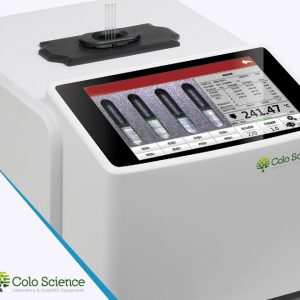
Melting point apparatus: how to compare and choose
The instruments above differ in how the melting point is detected and recorded. The guide below explains those differences, so you can compare the models and ask for the right configuration.
1Melting point instruments by detection
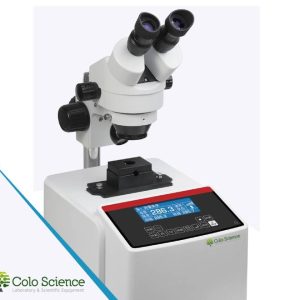
| Visual – microscope | CMPA1 — classical capillary method with a 40×–100× binocular microscope, 0.1 °C resolution, ambient +10 to 320 °C, USB and RS232 reporting. |
|---|---|
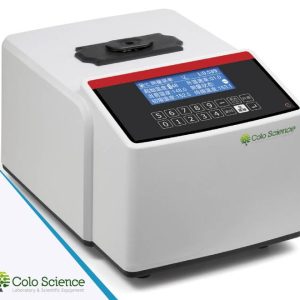
| Automatic – photoelectric | CMPA3 detects the start and end of melting by light transmission, so the result does not depend on the operator. |
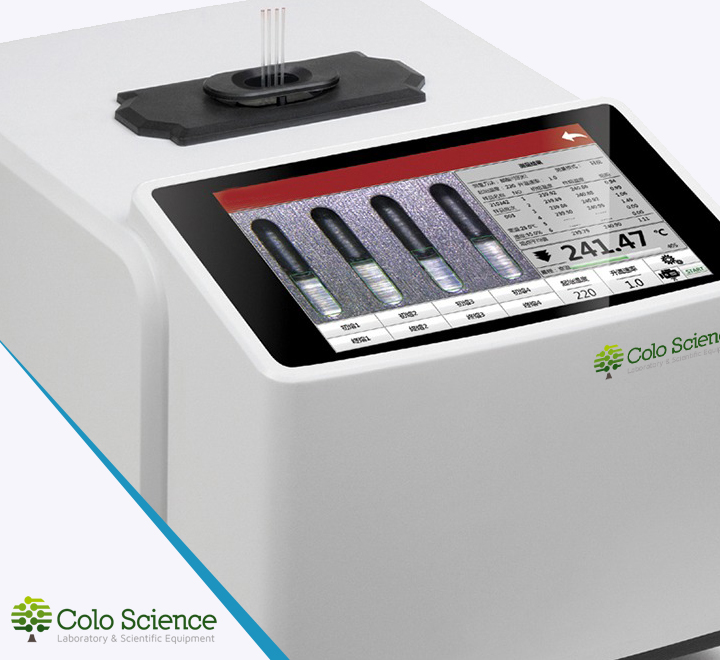
| Automatic – video image analysis | CMPA7 records the melting with an HD camera on a 7″ touch screen, analyses several capillaries at once and keeps the video as evidence. |
2How to choose a melting point apparatus
- Detection method. Visual detection is enough for teaching and occasional tests; QC laboratories prefer automatic detection of the melting point for objective results.
- Number of capillaries. Testing a sample with a reference in parallel saves time and shows deviations directly.
- Heating rate and range. Pharmacopoeias use 1 °C/min near the melting point; check that the range covers your highest melting substance.
- Records and calibration. Printed or exported results, video records and calibration with reference substances support GMP documentation.
3Melting point applications
- Identity of active substances and excipients (Ph. Eur. 2.2.14, USP <741>)
- Purity check of organic synthesis products
- Quality control of fragrances, dyes and fine chemicals
- Teaching laboratories in chemistry and pharmacy
Melting point – frequently asked questions
Why is the melting point measured?
A pure crystalline substance melts in a narrow range; impurities lower and widen it. The melting point therefore confirms identity and purity.
What is the capillary method?
The powdered sample is packed into a thin glass capillary and heated at a controlled rate until it melts; it is the method of the pharmacopoeias.
How is the apparatus calibrated?
With certified reference substances of known melting point, measured under the same conditions as the samples.
Choosing a melting point apparatus?
Tell us the substances, the number of tests per day and the documentation you need — we recommend the model and send a quotation.