


Laboratory Electrodes Catalog
Start from your sample, see the recommended electrode with a photo, then open the product page. All models, the full selection matrix and connector compatibility are below.
Find a pH electrode by sample
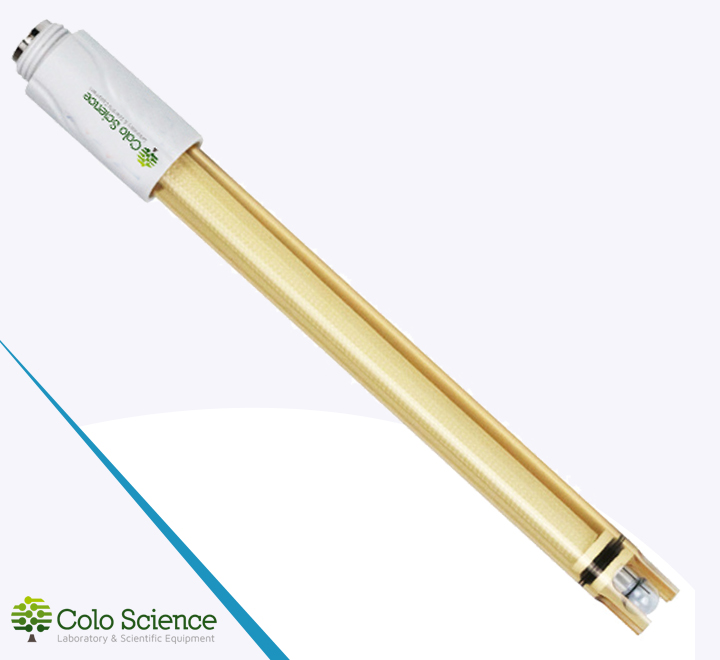
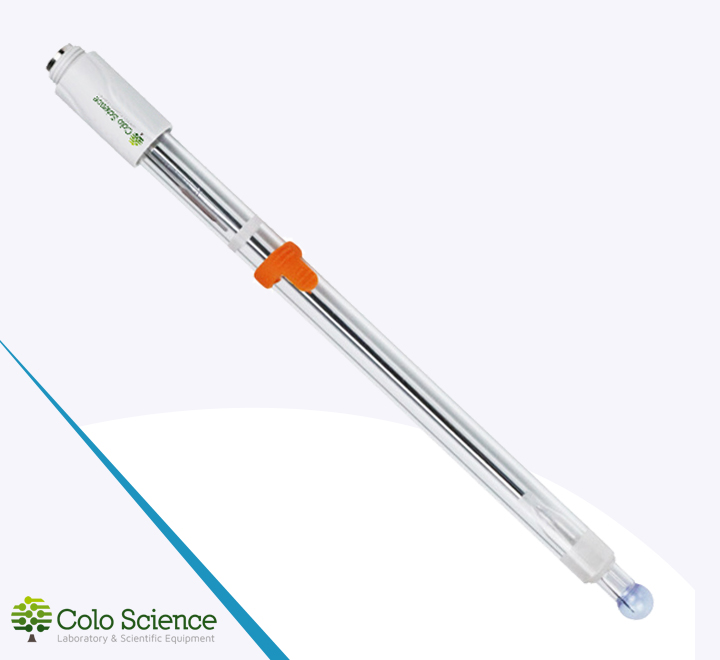
Pick the group that matches your sample. The electrodes shown are the manufacturer’s recommended choice for that sample.
Food
Beverages
Drinking and environmental water
Pure water
Pharmaceutical and biological
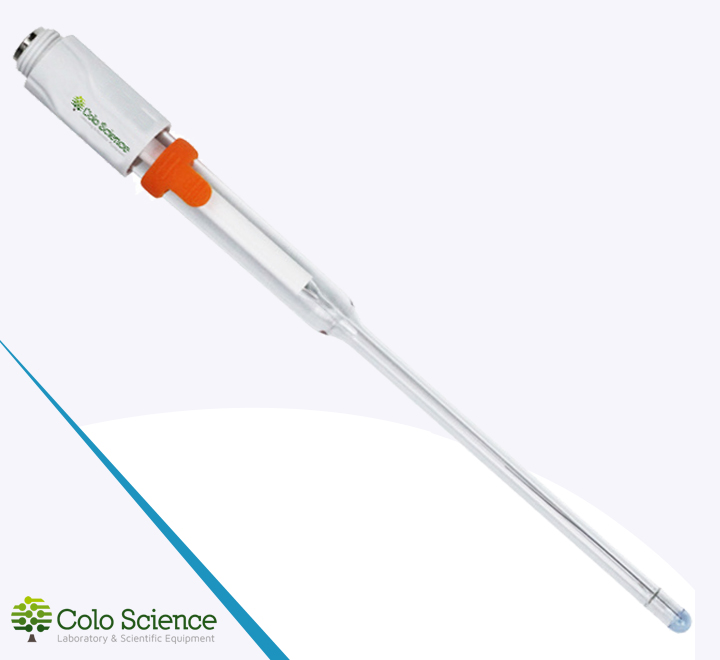
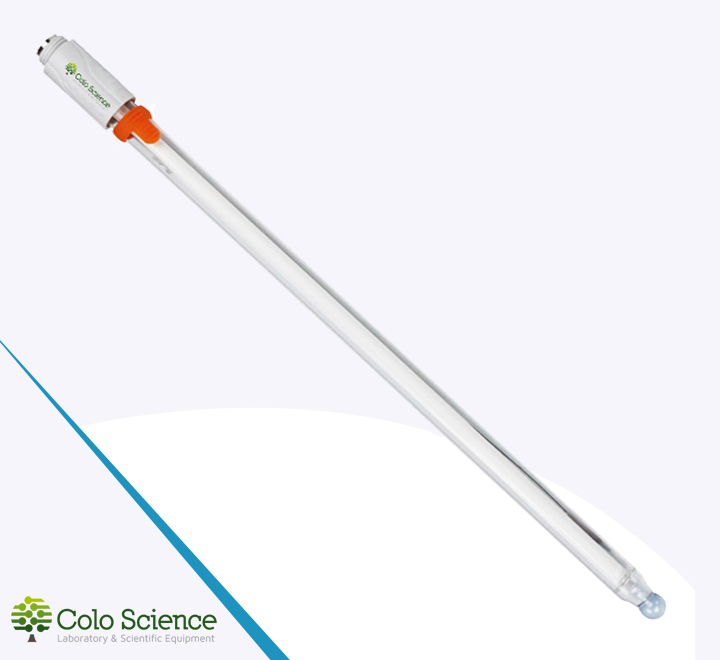
Chemicals, paints, cosmetics
Skin, leather, paper, textile
Soil
Aggressive samples
Vessels and temperature
pH electrodes
All 20 models, grouped by what they are built for.
General purpose
Everyday pH measurement in aqueous samples.
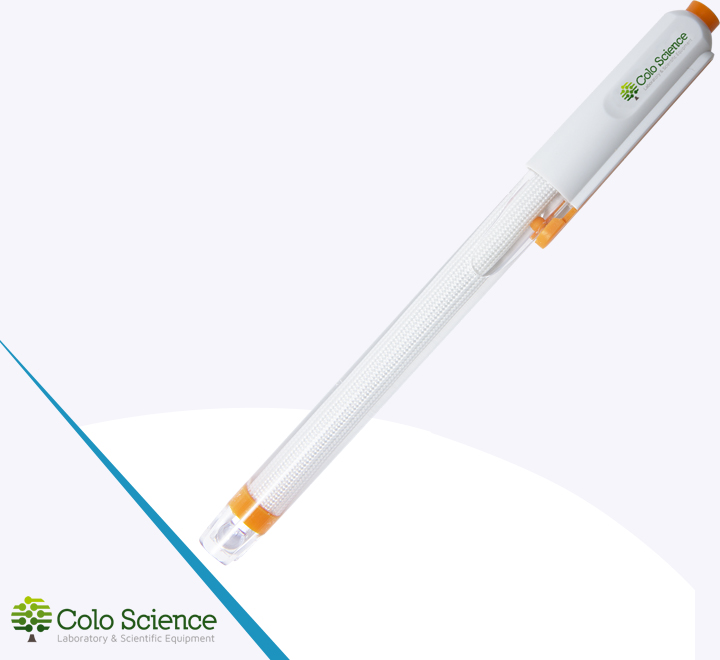 PRO41533 in 1 with temperaturepH 0–145–60 °CBNC(Q9) + 4-pin aviation connection3 M KClBest for: General aqueous samples and tap water, with temperature sensorPRO6134Standard refillablepH 0–145–60 °CBNC(Q9)3 M KClBest for: General aqueous samples, beverages, electroplating solutions
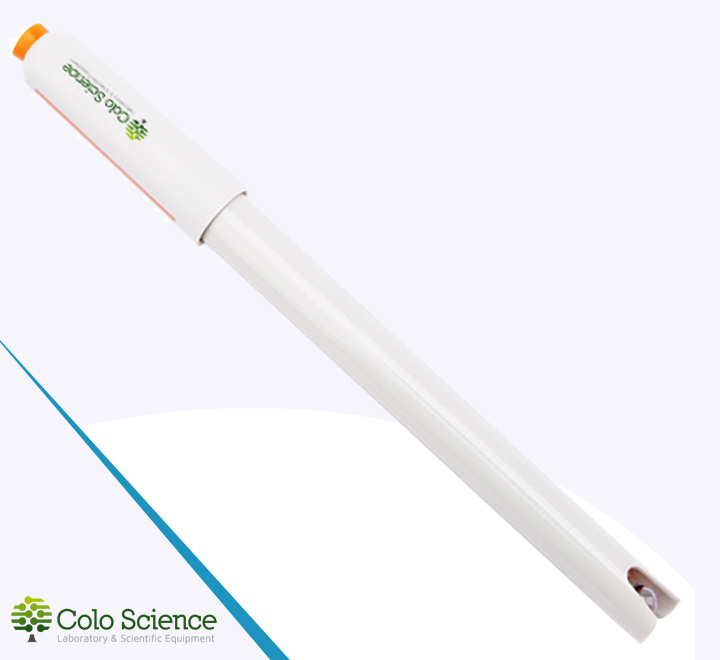 PRO6136Standard unfillablepH 0–145–60 °CBNC(Q9)Unfillable / sealed electrode designBest for: General aqueous samples and tap water, no refilling
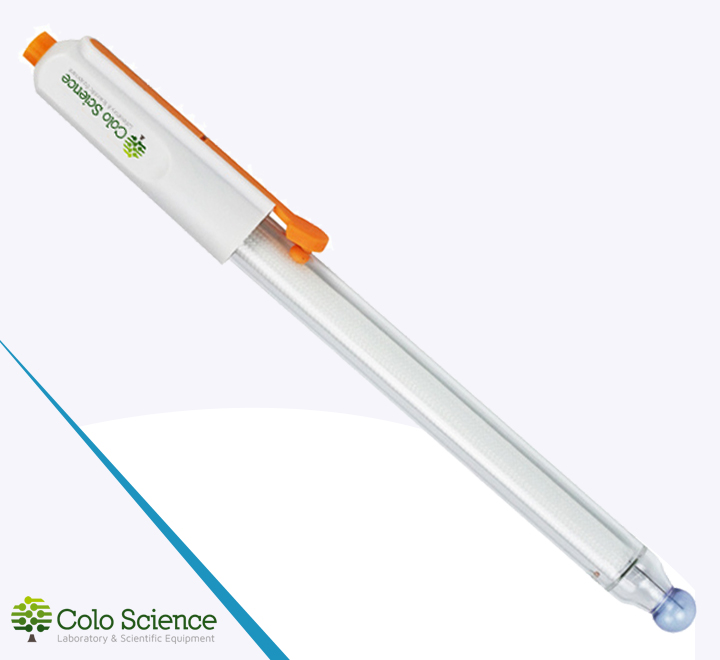 PRO6140Glass bodypH 0–145–60 °CBNC(Q9)3 M KClBest for: General aqueous samples, glass body
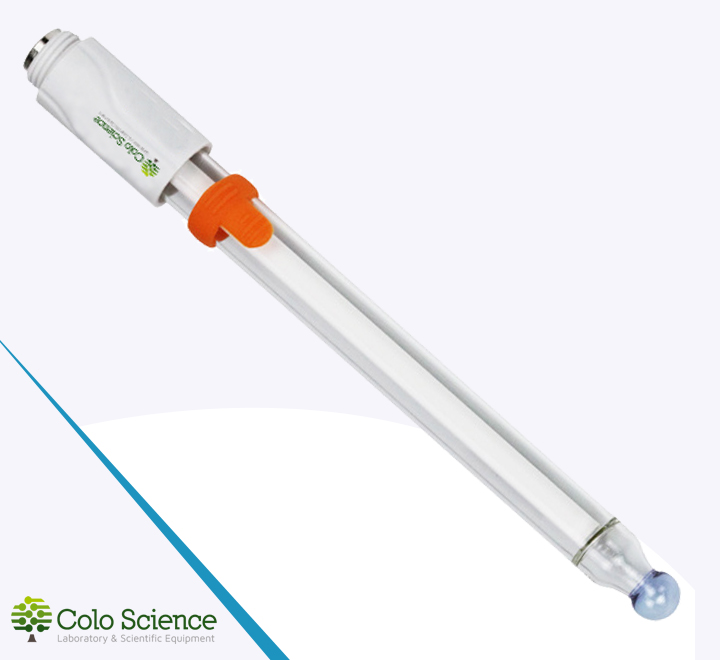 PRO5979PremiumpH 0–140–80 °CS73 M KClBest for: Dilute acids and alkalis, strong acids, Tris buffer, pharmaceutical formulations, beverages
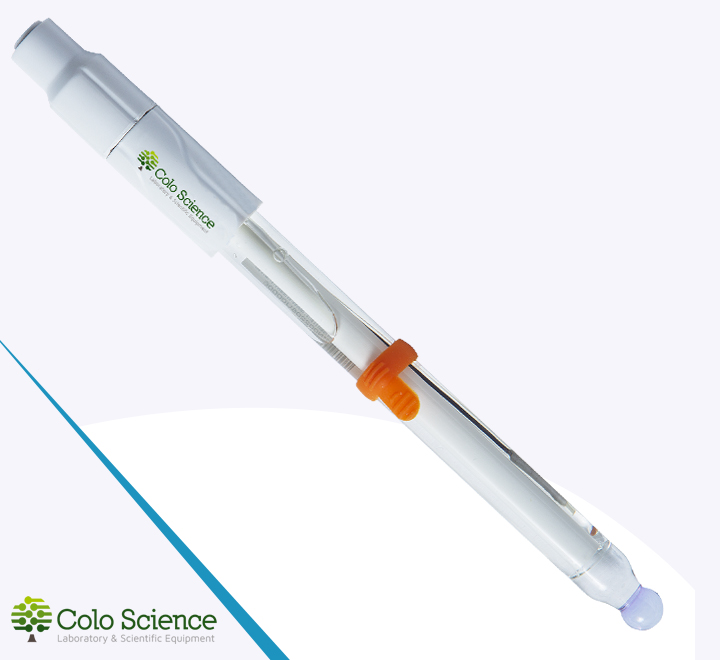 PRO6148RoHS lead-free glasspH 0–140–80 °CS73 M KClBest for: General use where RoHS lead-free glass is required
Food and surfaces
Penetration and flat electrodes for solid, semi-solid and surface samples.
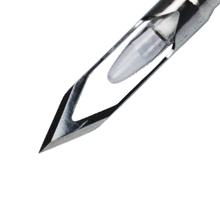
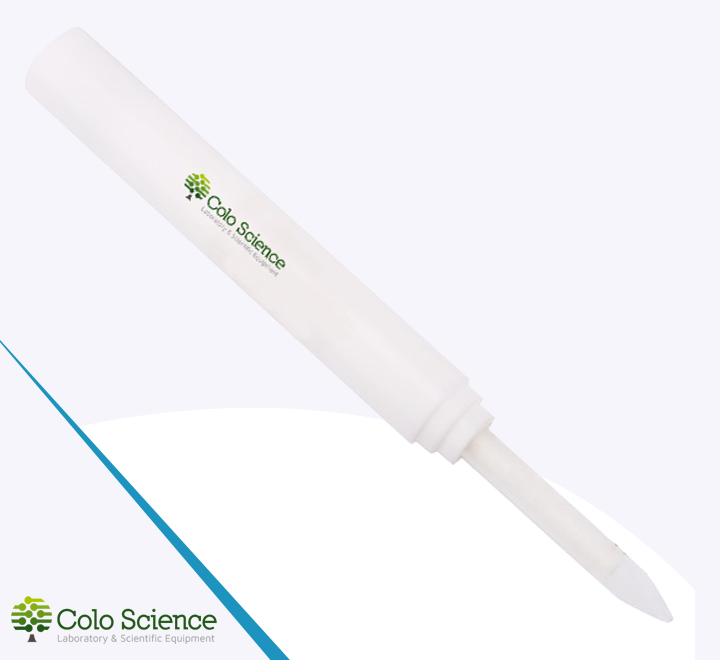 PRO6144Blade spear, refillablepH 0–140–60 °CBNC(Q9)3 M KClBest for: Meat, fish, fruit, vegetables, paste, soil
 PRO6137Blade spear, unfillablepH 0–145–60 °CBNC(Q9)UnfillableBest for: Meat, fish, fruit, vegetables, paste, soil
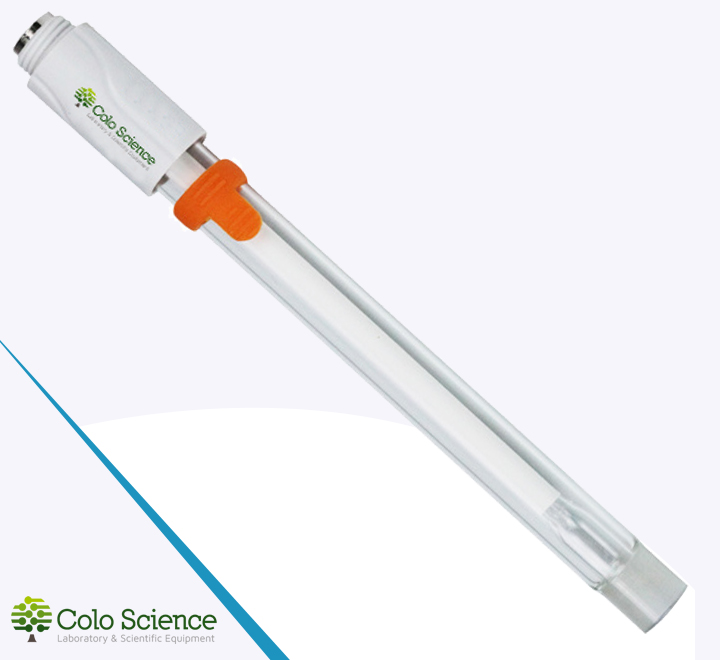 PRO6145Flat, glasspH 1–120–60 °CS73 M KClBest for: Skin, leather, paper, textile; meat and fruit surfaces
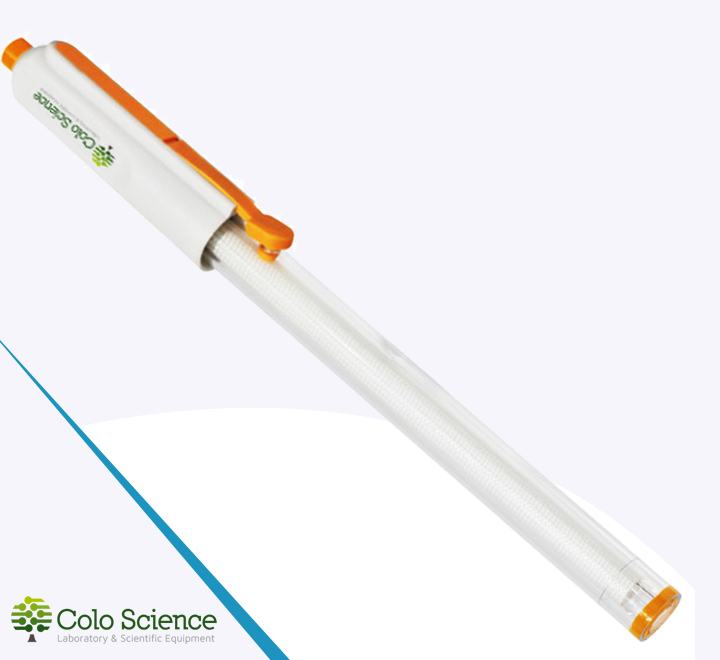 PRO6138Flat, polycarbonatepH 0–145–60 °CBNC(Q9)3 M KClBest for: Skin, leather, paper; plasma, pharmaceutical and agar samples
Difficult samples
Dirty, viscous, salty, alkaline or fluorine-containing samples.
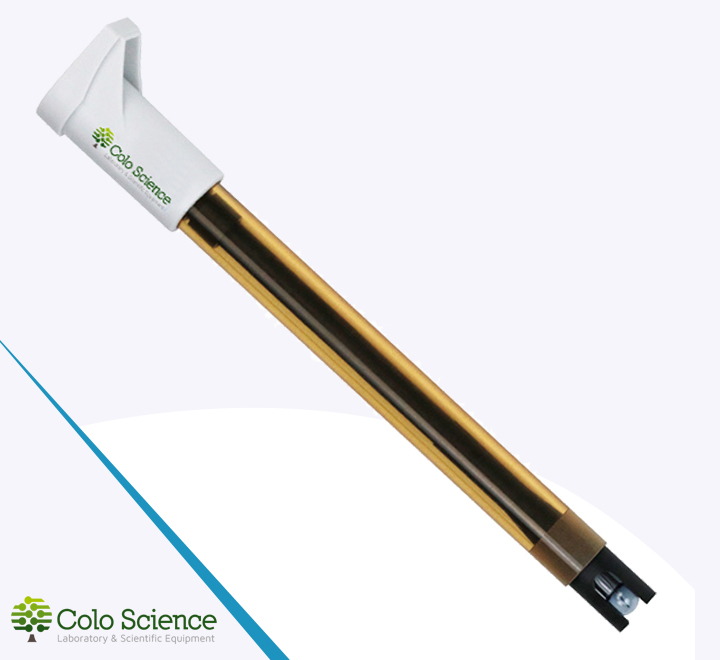 PRO6041CleanablepH 0–140–80 °CBNC(Q9)3 M KClBest for: Dairy, jam, oils, paints, viscous and protein samples, wastewater
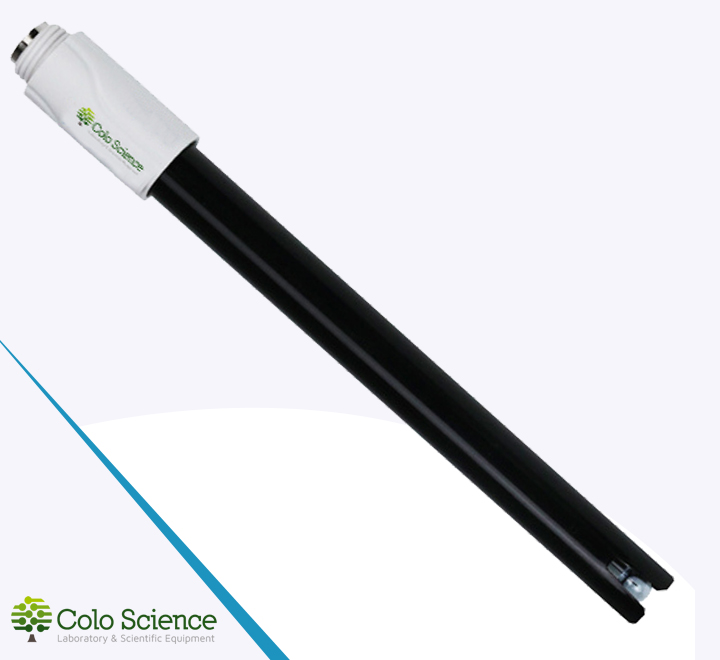 PRO6142Low-maintenancepH 0–140–80 °CBNC(Q9)UnfillableBest for: Dairy, beverages, paints, cosmetics, high-salt samples, wastewaterPRO6150Alkali-resistantpH 0–140–80 °CS73 M KClBest for: Strongly alkaline samples above pH 10
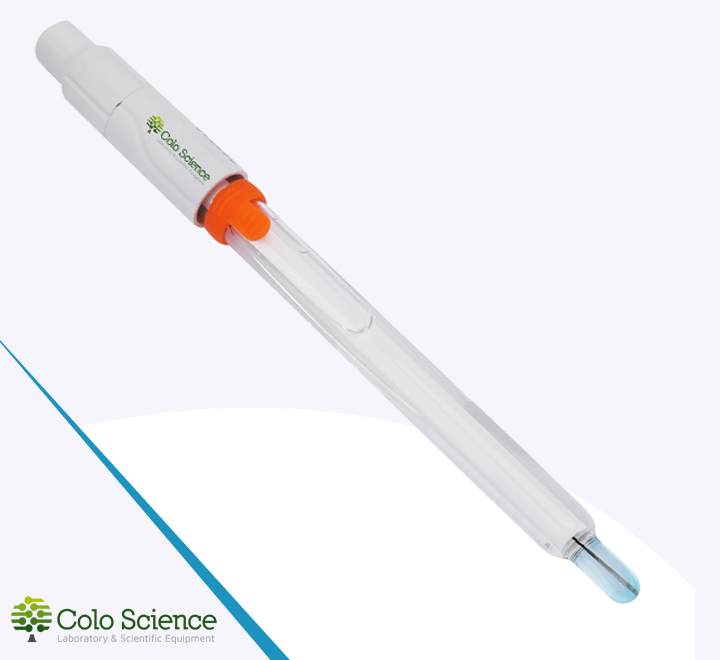 PRO6152HF-resistantpH 2–110–60 °CS73 M KClBest for: Fluorine wastewater up to 2000 ppm HF
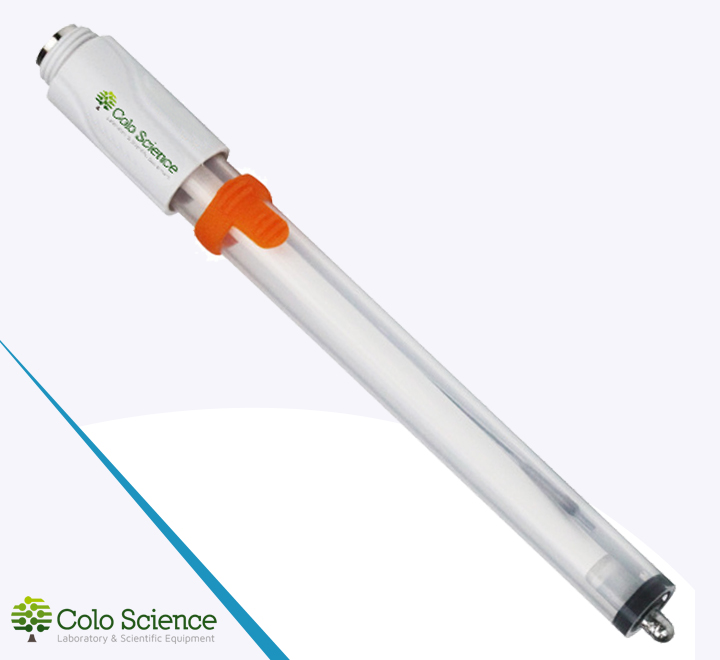 PRO6151HF acid titrationpH 2–110–60 °CS73 M KClBest for: Acidic samples with high fluorine content (HF)
Pure water
Low-conductivity and ultrapure water.
Special shape and temperature
Long, slender and high-temperature electrodes.
Conductivity electrodes
Choose the cell constant by the expected conductivity of the sample.
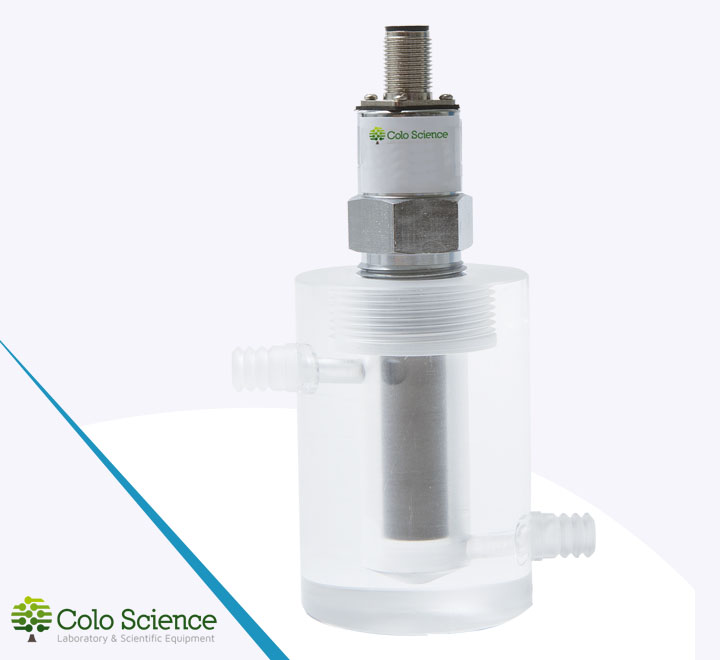 PRO6159Conductivity electrode k≈0.01 with flow cell0.05–20 μS/cmATC5-pin aviationBest for: Ultrapure water, flow-through measurement
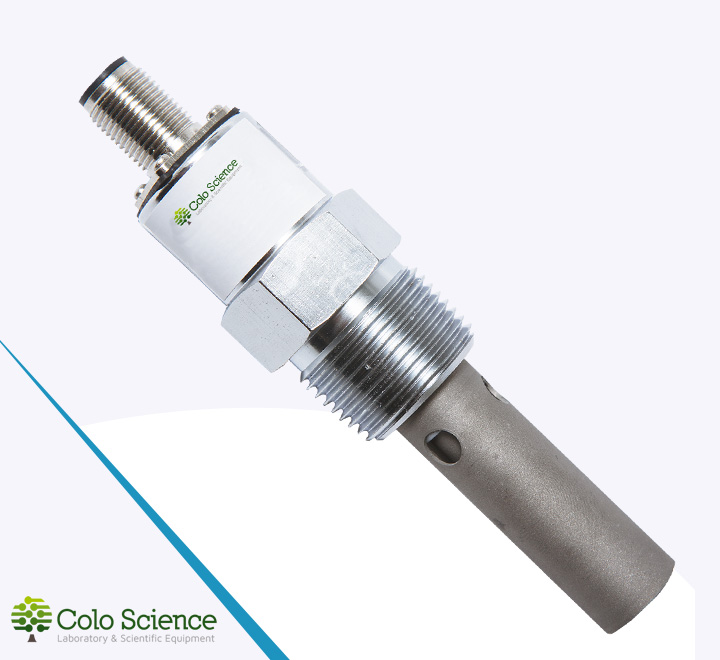 PRO6158Conductivity electrode k≈0.010.05–20 μS/cmATC5-pin aviationBest for: Ultrapure water
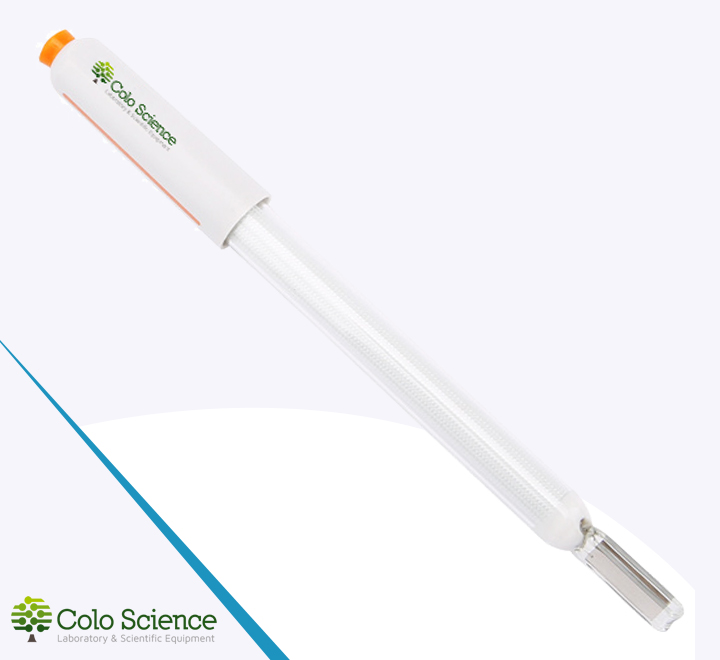 PRO6157Conductivity electrode k≈0.10.05–200 μS/cmATC5-pin aviationBest for: Pure and ion-exchange waterPRO6156Conductivity electrode k≈12–3000 μS/cmATC5-pin aviationBest for: Tap, drinking, rain and surface water
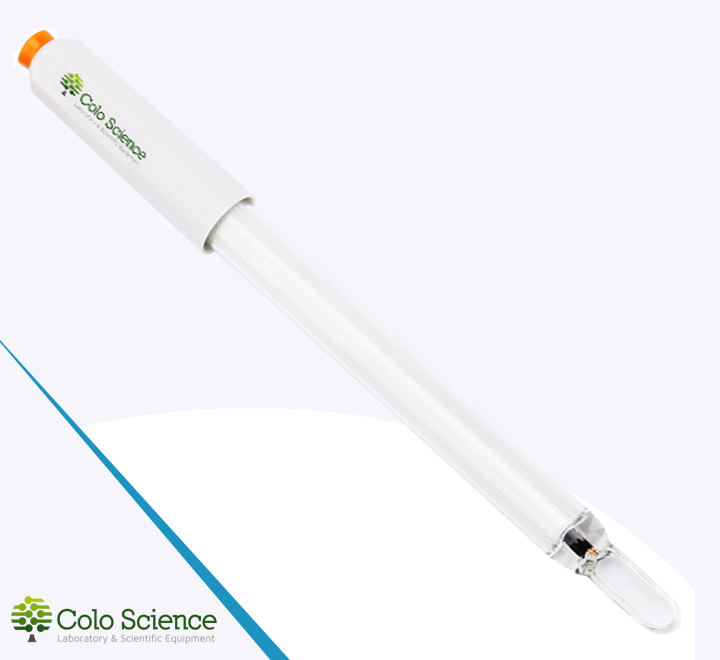 PRO6155Conductivity electrode k≈12–3000 μS/cmno ATC5-pin aviationBest for: Tap, drinking, rain and surface water
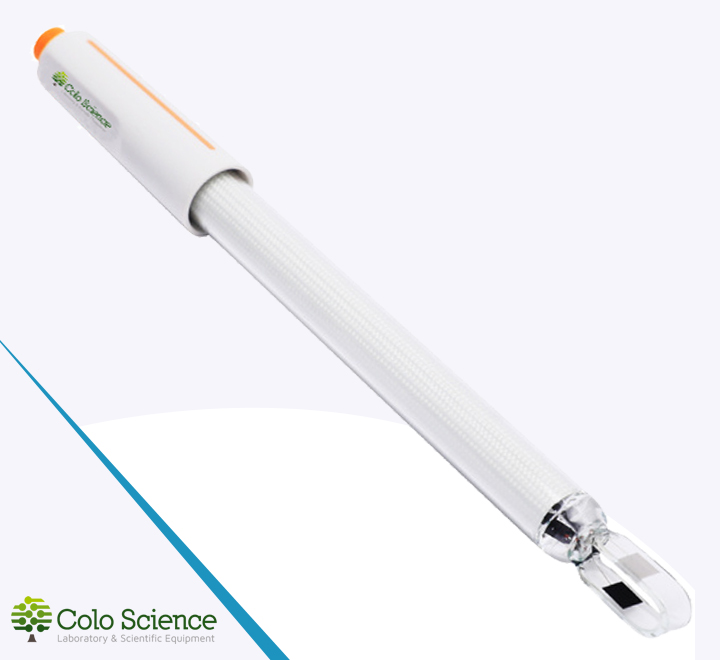 PRO6154Conductivity electrode k≈12–20000 μS/cmATC5-pin aviationBest for: Wastewater, seawater, juicePRO6153Conductivity electrode k≈12–20000 μS/cmno ATC5-pin aviationBest for: Wastewater, seawater, juicePRO6160Conductivity electrode k≈102000–200000 μS/cmATC5-pin aviationBest for: Brines and high-salt wastewaterPRO6161Conductivity electrode k≈12–20000 μS/cmno ATC8-pin MiniDinBest for: For EC600L and M600L meters
ATC = built-in temperature sensor. Without ATC, use a separate temperature probe or enter the temperature manually on the meter.
Ion selective electrodes
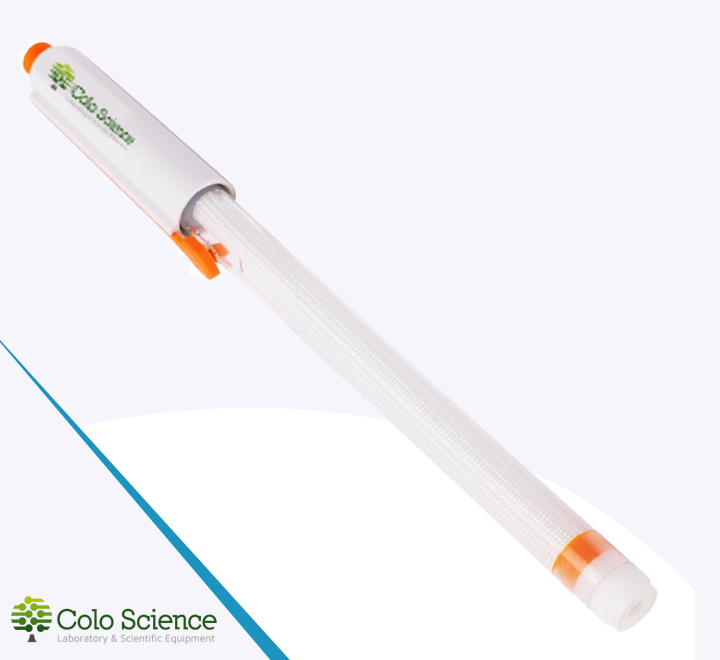 PRO6237Fluoride (F⁻) combined ISE10⁻⁶–0.1 M5–45 °CBNC(Q9)Best for: Fluoride in water; no separate reference electrode needed
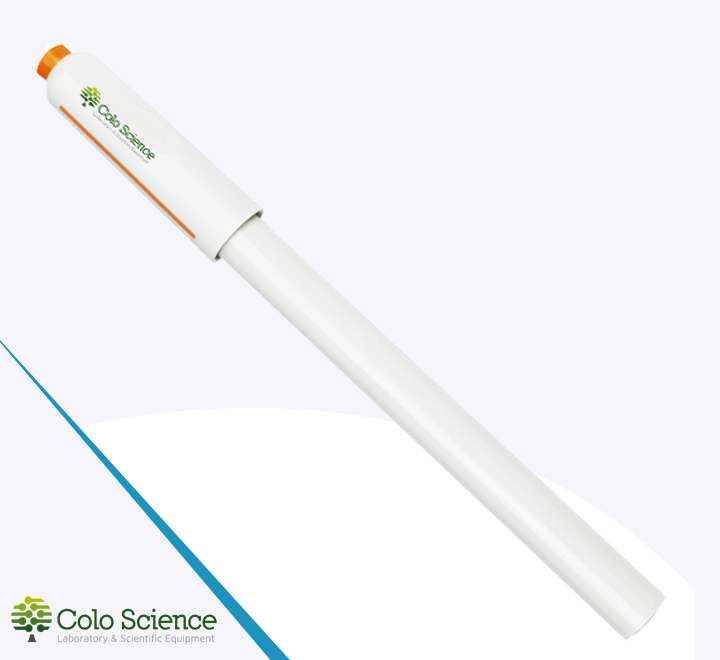 PRO6240Fluoride (F⁻) mono ISE10⁻⁶–0.1 M5–45 °CBNC(Q9)Best for: Fluoride measurement with a separate reference electrodePRO6236Sodium (Na⁺) combined ISE10⁻⁶–0.1 M5–45 °CBNC(Q9)Best for: Sodium in water and food samples; no separate reference electrode needed
Electrode guide: how electrodes differ
Shape, body material, junction and connector decide which electrode suits a sample and a meter. The short explanations below help you read the tables above.
pH sensor shape
The shape of the glass membrane decides what kind of sample the electrode can touch.
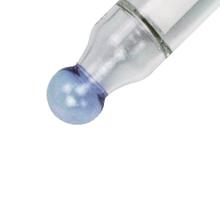
General use in common solutions.
Best for: liquids, pH 2–12. Most electrodes in this catalogue.
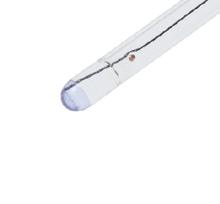
Small liquid volumes, from about 200 μL.
Best for: test tubes and small vessels. See slender PRO6146.
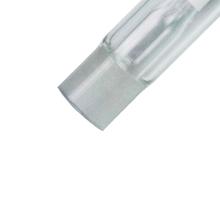
Body material
The body material decides chemical resistance and how robust the electrode is.
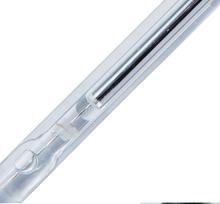
Lead-free glass. Easy to clean and suitable for organic solutions, but breakable and sensitive to fast temperature changes.
Used for: pH and conductivity electrodes.
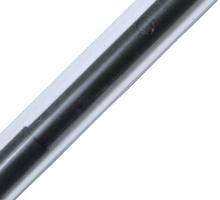
Polycarbonate, epoxy, PP or POM. Unbreakable and resistant to knocks. Not suitable for organic solutions.
Used for: pH, ion selective and DO electrodes.
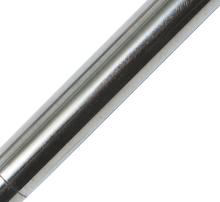
Heat resistant.
Used for: temperature probes and blade spear tips.
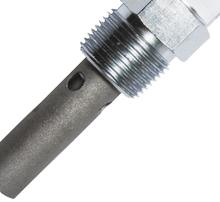
Resistant to current and magnetic field effects.
Used for: conductivity electrodes for ultrapure water.
Junction
The junction is the contact between the reference electrolyte and the sample. It decides how well the electrode copes with dirty, viscous or very pure samples.
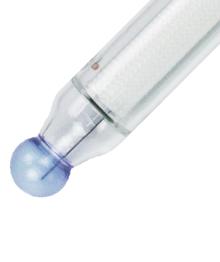
Good permeability, stable potential.
Standard choice for clean aqueous samples.
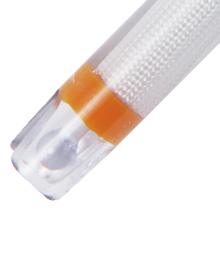
Good permeability, stable potential, cost-effective.
Standard polycarbonate electrodes.
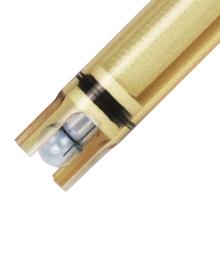
Allows a higher flow rate of reference electrolyte.
Low-conductivity water: PRO6143.
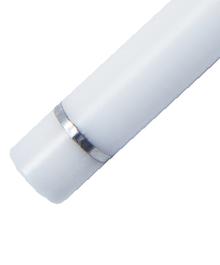
Solvent resistant.
Non-refillable composite electrodes.
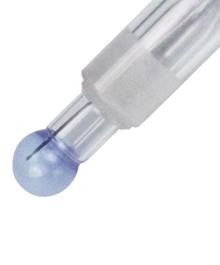
Allows a higher flow rate of reference electrolyte.
Ultrapure water: PRO5981.
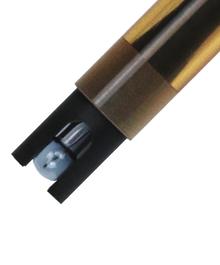
Higher electrolyte flow, resistant to contamination.
pH titration and non-aqueous titration.
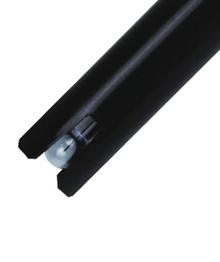
Easy to clean, does not block.
Emulsions and suspensions: PRO6142.
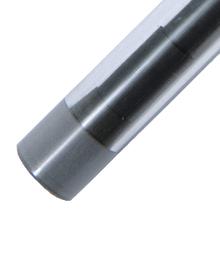
Easy to clean and to change the filling solution.
Emulsions and suspensions: PRO6041.
Reference system: Ag/AgCl or Longlife
Highlight: 3 in 1 pH composite electrode
A composite electrode joins the pH indicator electrode and the reference electrode in one body. A 3 in 1 electrode adds a temperature probe, so one sensor delivers pH and temperature and the meter compensates automatically.
- pH indicator electrode + reference electrode + temperature probe
- BNC(Q9) for pH and 4-pin aviation for temperature
- Easy-fill port for 3 M KCl
- One cable set, less clutter in the beaker
Use and maintenance
Before use
Remove the protective cap and rinse the tip. On refillable electrodes check the electrolyte level and open the fill port during measurement. Calibrate with fresh buffers.
During measurement
The sample must cover both the membrane and the junction. Stir gently, wait for a stable reading and rinse between samples.
After use
Rinse, close the fill port and put the cap back with storage solution. Do not store a pH electrode dry or in distilled water.
Regular care
Top up 3 M KCl on refillable electrodes. Clean fat and protein residues after food samples. Replace the electrode when response becomes slow or calibration slope drops.
Conductivity: what is the cell constant?
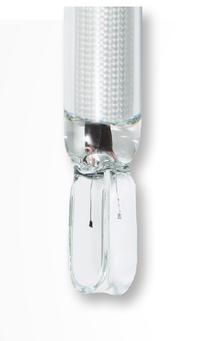
The cell constant (k) describes the geometry of the two electrodes in the sensor and directly affects measurement accuracy. Low conductivity needs a low constant, high conductivity a high one.
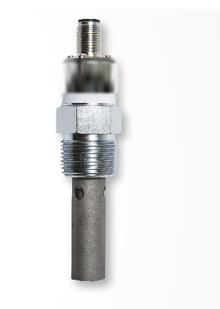
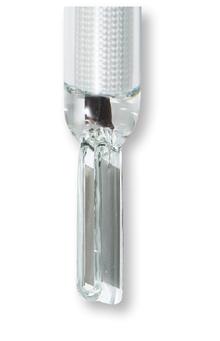
Pure and ion-exchange water, 0.05–200 μS/cm.
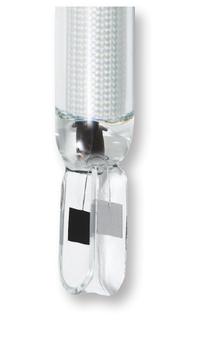
Brines and concentrated solutions, 2000–200000 μS/cm.
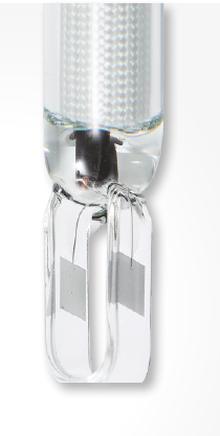
Used for lower conductivity. In low-conductivity solutions it gives a stable reading.
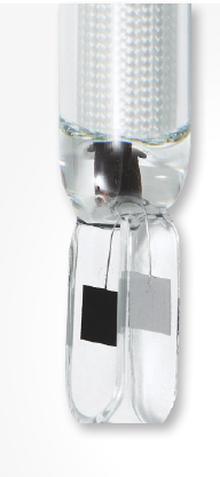
Used for higher conductivity. In low-conductivity solutions it adsorbs electrolyte strongly and the reading becomes unstable.
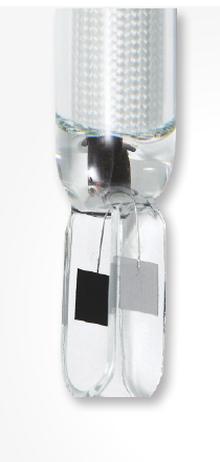
The temperature must be measured with a separate probe or thermometer.
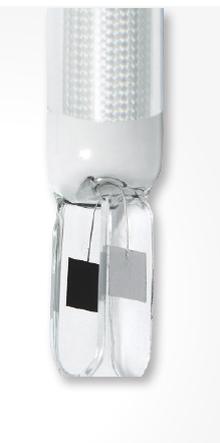
The electrode measures temperature and conductivity at the same time.
Full pH electrode selection matrix
Every sample type against every pH electrode. Scroll sideways on small screens.
● Recommended ○ Applicable, service life may be shorter in this sample.
Connector and meter compatibility
Check the connector on your meter before ordering.
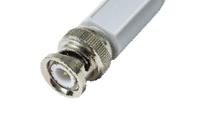
Connects directly to pH and ion meters with a BNC input.
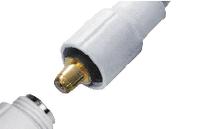
Screw head on the electrode. An S7–BNC(Q9) cable is needed for meters with a BNC input.
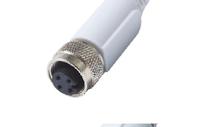
3 in 1 electrode: BNC for pH, 4-pin aviation for temperature. The meter needs both inputs.
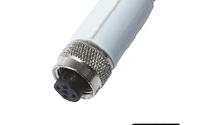
Conductivity electrodes for meters with a 5-pin aviation input.
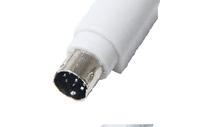
Conductivity electrode for EC600L and M600L meters.
Need help choosing an electrode?
Tell us the sample, the meter model and its connector, and we will confirm the right electrode and cable.
Recommendations follow the manufacturer’s selection guide; confirm meter compatibility before ordering.