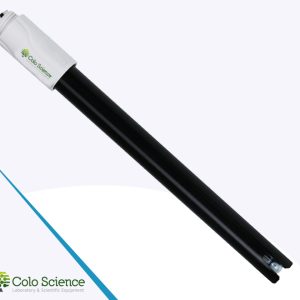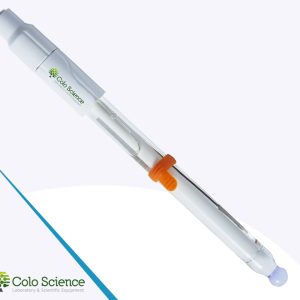



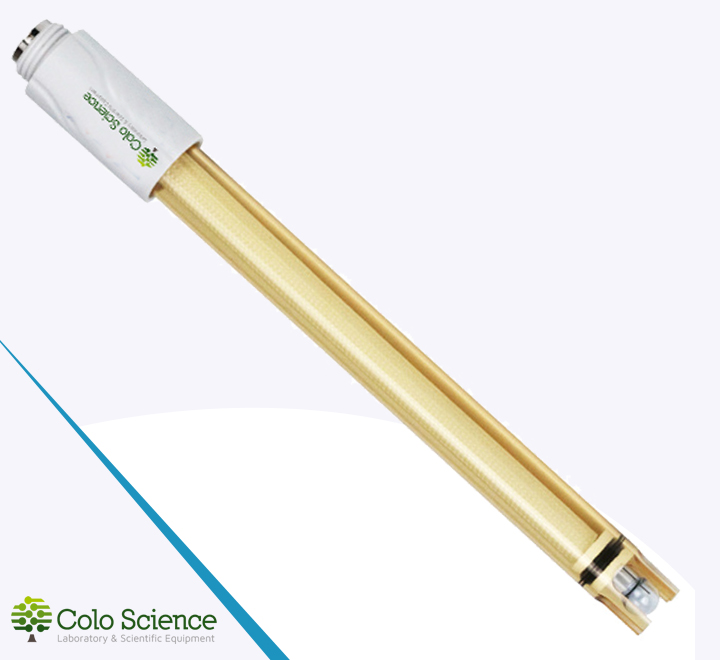
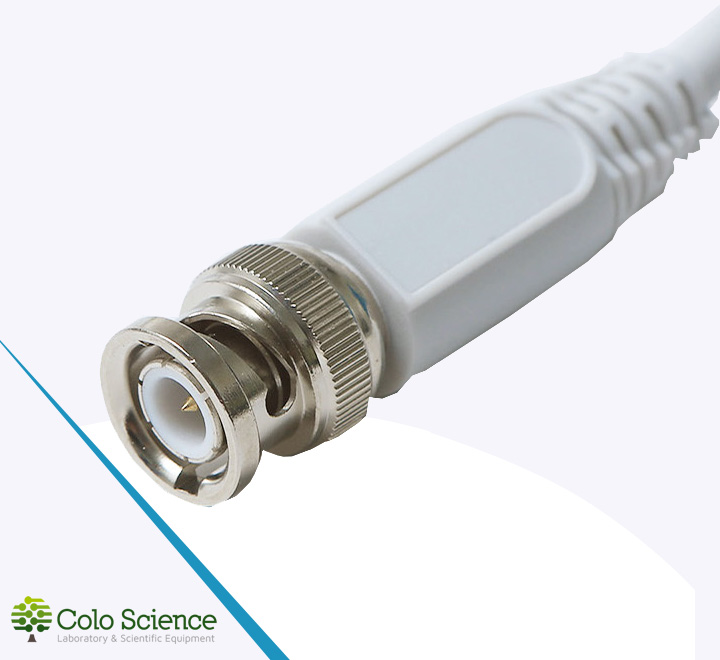
PRO6143 — electrode for ultra pure water: a pH electrode for low-conductivity water — tap, surface, rain and boiler water. The porous PTFE junction allows a higher electrolyte flow, and the sealed gel reference needs no refilling. It has a sealed long-life reference that needs no refilling, a porous PTFE junction and an S7 head; an S7–BNC cable connects it to the meter.
How the electrode for ultra pure water is built
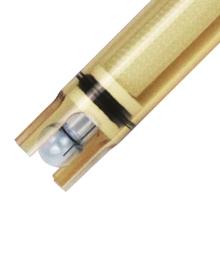
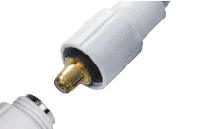
The long-life reference keeps a steady potential over a longer service time and a wider temperature range than a plain Ag/AgCl reference. It is sealed, so the electrode for ultra pure water has no electrolyte to check or refill.
Technical parameters
| Model / order code | PRO6143 |
| Electrode type | pH composite (combination) electrode |
| Measuring range | pH 0 – 11 |
| Working temperature | 0 – 80 °C |
| pH sensor | Hemispherical glass bulb |
| Body material | Epoxy |
| Reference system | Long-life reference |
| Junction | Porous PTFE |
| Fill solution | None — sealed, non-refillable |
| Temperature sensor | None |
| Dimensions | Φ12 × 120 mm |
| Connector | S7 – BNC (Q9) |
| Reference electrolyte | Gel, sealed |
Full data sheet: Technical Specification (PDF), two pages.
Is this the right electrode for your sample?
The electrode for ultra pure water is recommended for: pure / ion-exchange water (approx. 1 µS/cm), distilled water (approx. 5 µS/cm); boiler water; tap and drinking water (approx. 100 µS/cm); surface and underground water; samples with conductivity above 100 µS/cm; rain; soil leachate.
Some samples need a different design. The selection by sample in the electrode catalogue shows which electrode is recommended for which sample; the most frequent cases are:
- Samples above 80 °C: the high-temperature electrode, specified to 120 °C.
- General aqueous samples over the whole pH scale: a general-purpose glass electrode, pH 0 – 14.
- Emulsions, suspensions, viscous samples: a cleanable or open-junction electrode.
- One sensor instead of two: the 3-in-1 pH composite electrode with a built-in temperature sensor (ATC).
One electrode for benchtop and portable pH meters
The electrode for ultra pure water does not belong to one meter. The same electrode works on a benchtop meter in the laboratory and on a portable meter in the field — what decides is the input of the meter, not its housing. With the S7–BNC cable it fits every meter with a BNC input; see the pH meters in the catalogue.
Because the electrode for ultra pure water has no temperature sensor, the meter compensates temperature from a separate temperature probe or from a value entered by hand. After moving the electrode to another meter, calibrate again: calibration data are stored in the meter, not in the electrode.
From sample to result
Sampling and keeping the sample
pH is one of the few parameters that cannot be preserved. Carbon dioxide from the air, biological activity and temperature change the value within minutes, so the common water standards ask for measurement on site or as soon as possible after sampling. Take the sample in a clean bottle, fill it to the top without an air space, close it, keep it cool and out of the light, and measure without delay. Do not add any preservative to the portion used for pH.
Preparing the electrode for ultra pure water before calibration and measurement
- Remove the protective cap from the sensor bulb at the bottom of the electrode and rinse the tip with distilled water; blot the drops, do not rub — rubbing charges the glass and slows the response.
- The reference is sealed: there is no electrolyte level to check and no refill hole to open.
Calibrating the electrode for ultra pure water
- Prepare fresh buffers at the same temperature as the samples and start the calibration on the meter.
- Immerse the tip in the first buffer, pH 7.00; wait for a stable reading and confirm the point.
- Rinse the tip with distilled water and blot the drops.
- Immerse the tip in the second buffer (pH 4.01 for acidic samples, pH 10.01 for alkaline); wait for a stable reading and confirm the point.
- The meter shows the electrode slope. If it is outside the limits given in the meter manual, clean the electrode, take fresh buffers and repeat the calibration.
Measuring
Stir gently or move the electrode slightly, wait for a stable value and read pH together with the temperature. Rinse the tip between samples.
pH in BOD and COD analysis
In a water laboratory the electrode for ultra pure water works next to the BOD and COD methods, and both depend on it.
BOD (biochemical oxygen demand) is a biological test: micro-organisms consume oxygen for five days, and they do it properly only near neutral pH. The standard methods therefore require the pH of the sample to be checked before dilution and adjusted to roughly pH 6 – 8 with acid or alkali when it lies outside that range. A wrong pH at the start gives a BOD result that is too low.
COD (chemical oxygen demand) samples that cannot be analysed at once are preserved by acidifying to pH 2 or lower with sulfuric acid and stored cold. The pH check confirms that the preservation worked.
BOD and COD analysers, together with dissolved-oxygen and conductivity meters, are in the electrochemistry catalogue.
Care, storage and accessories
Storing the electrode
Never store the electrode for ultra pure water dry and do not keep it in distilled water. Between measurements and overnight, keep the tip in the protective cap filled with 3 M KCl storage solution.
When the reading is slow or drifts
The usual causes are a membrane that has dried out, a blocked junction or old buffers. Soak the tip in storage solution, use fresh buffers and calibrate again.
Accessories
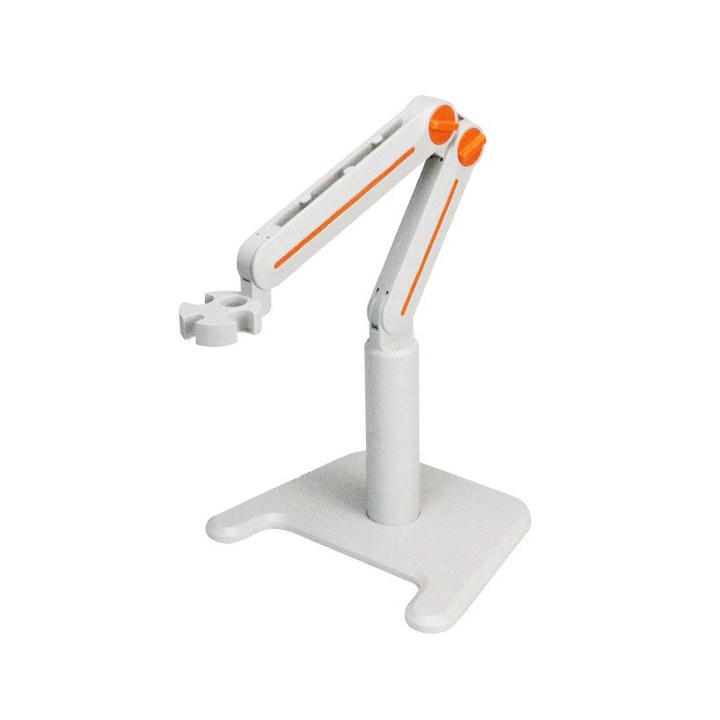
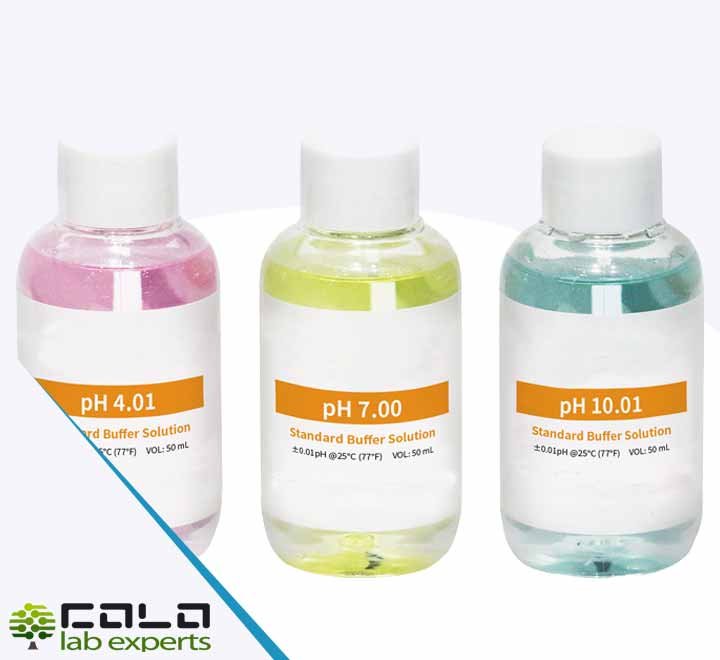
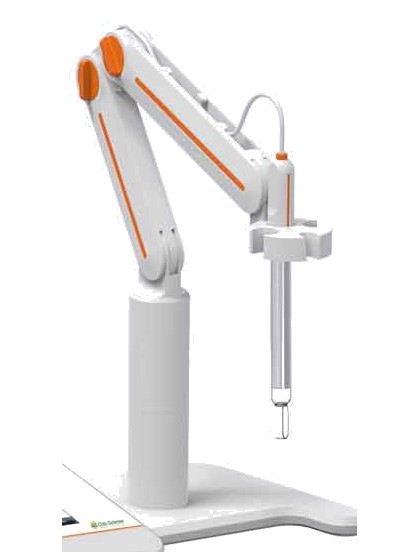
- pH buffers in sachets: single-use portions, always fresh, practical for field work and occasional calibration.
- 3 M KCl solution: for storing the electrode between measurements.
- S7–BNC (Q9) cable: connects the S7 head of the electrode for ultra pure water to the BNC input of the meter.
Video: how the electrode holder is installed and used
Buffers, solutions, cables and holders are in the accessories section of the electrochemistry catalogue.
Frequently asked questions
Does the electrode for ultra pure water fit my meter?
The electrode for ultra pure water fits any meter with a BNC input when it is used with the S7–BNC cable. Meters with another input type need a different cable, so tell us the meter model before you order.
How often should I calibrate the electrode for ultra pure water?
For routine work, calibrate at the start of each working day and whenever the sample type or temperature changes noticeably. For occasional measurements, calibrate before each series.
Where can I read more about electrodes?
The electrode catalogue has an electrode guide on sensor shapes, body materials and junctions, a full selection matrix and an overview of connectors. The electrochemistry overview covers pH, conductivity, dissolved oxygen and ion measurement.