

'/%3E%3C/svg%3E)


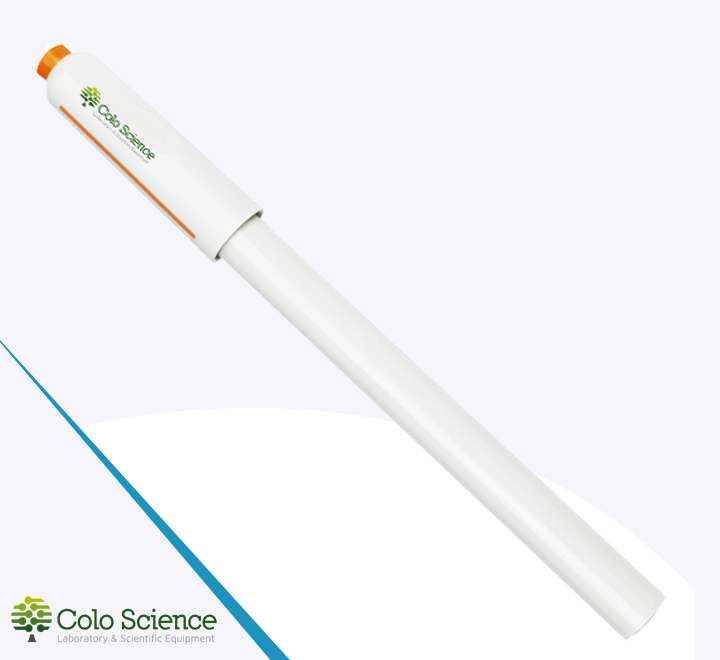
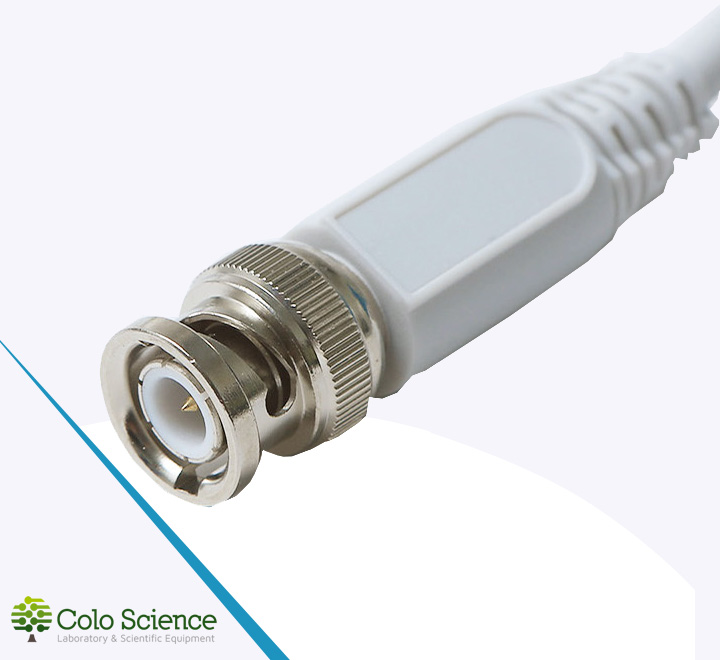
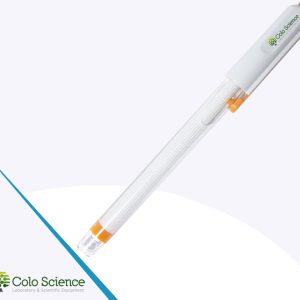
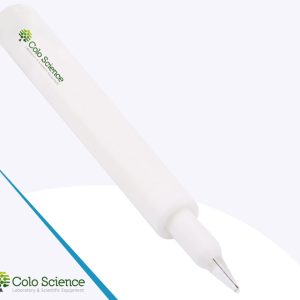
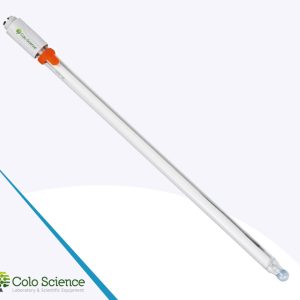
PRO6240 — fluoride ion selective electrode: a fluoride ion selective half-cell with a crystal membrane. It is a mono electrode: it measures together with a separate reference electrode. It measures fluoride (F⁻) from 1 × 10⁻⁶ – 0.1 mol/L and connects to the meter with a BNC (Q9) plug.
How the fluoride ion selective electrode is built
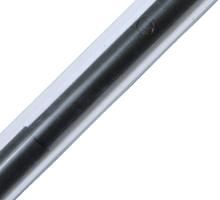
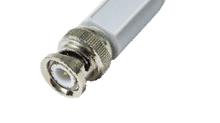
The fluoride ion selective electrode is a half-cell. It has no reference of its own, so it measures together with a separate reference electrode connected to the same meter.
Technical parameters
| Model / order code | PRO6240 |
| Electrode type | Mono ion selective electrode (half-cell) |
| Measured ion | F⁻ |
| Measuring range | 1 × 10⁻⁶ – 0.1 mol/L (19 µg/L – 1.9 g/L) |
| Membrane | Crystal membrane |
| Body material | Polycarbonate |
| Reference system | None — separate reference electrode required |
| Junction | — |
| Fill solution | — |
| Working pH | pH 4 – 8 |
| Interfering ions | OH⁻ |
| Working temperature | 5 – 45 °C |
| Dimensions | Φ12 × 120 mm |
| Connector | BNC (Q9) |
Full data sheet: Technical Specification (PDF), two pages.
Is this the right electrode for your sample?
The fluoride ion selective electrode measures fluoride ions in aqueous samples in the range 1 × 10⁻⁶ – 0.1 mol/L, which corresponds to 19 µg/L – 1.9 g/L, at 5 – 45 °C and at a sample pH of 4 – 8.
Interfering ions for this electrode are OH⁻; when they are present in the sample they affect the reading. Other ions and other designs are in the ion selective electrodes section of the electrode catalogue; the most frequent cases are:
- One electrode instead of two: the combined fluoride ion selective electrode with the reference built in.
- Another ion: send us the ion and the sample type and we will check which ion selective electrode is available.
- pH instead of ion concentration: a pH composite electrode from the same catalogue.
One electrode for benchtop and portable ion meters
The fluoride ion selective electrode does not belong to one meter. It works on a benchtop ion meter in the laboratory and on a portable one in the field — it needs a meter with an ion (concentration) or mV mode and a BNC input, plus an input for the reference electrode; see the pH/ion meters in the catalogue.
The response of an ion selective electrode depends on temperature, so standards and samples must be at the same temperature when they are measured. After moving the electrode to another meter, calibrate again: calibration data are stored in the meter, not in the electrode.
From sample to result
Sampling and keeping the sample
Take the sample in a clean plastic bottle, close it and measure it as soon as practical. Do not add acid or any other preservative to the portion used for the fluoride measurement, and let the sample reach the temperature of the standards before measuring.
Preparing the fluoride ion selective electrode before calibration and measurement
- Remove the protective cap from the membrane at the bottom of the electrode and rinse the tip with distilled water; blot the drops, do not rub the membrane.
- Connect the reference electrode to the meter and place it in the same solution as the ion selective electrode.
- Have the ionic strength adjuster ready: fluoride TISAB. It is added to every standard and every sample in the same proportion.
Calibrating the fluoride ion selective electrode
- Prepare at least two standards that bracket the expected concentration by diluting the 0.1 M fluoride standard (0.1 M NaF) step by step, for example tenfold.
- Add the ionic strength adjuster to each standard in the same proportion that will be used for the samples.
- Start the calibration on the meter and measure the standards from the lowest to the highest concentration; stir at the same gentle rate, wait for a stable reading and confirm each point.
- Rinse the tip with distilled water and blot the drops between solutions.
- The meter shows the electrode slope. If it is outside the limits given in the meter manual, clean the electrode, prepare fresh standards and repeat the calibration.
Measuring
Add the ionic strength adjuster to the sample in the same proportion as to the standards, stir at the same rate as during calibration, wait for a stable value and read the concentration. Rinse the tip with distilled water between samples.
Fluoride in drinking water
The fluoride ion selective electrode turns the meter into a direct-reading fluoride analyser: no colour reagent and no sample digestion, only the adjuster and a calibrated electrode.
Why it is measured: fluoride is followed in drinking water because both too little and too much of it matter for dental health, so waterworks and health laboratories check it routinely.
Why the ionic strength adjuster is needed: the fluoride buffer (TISAB) gives every standard and sample the same ionic strength, holds the pH where hydroxide — the interfering ion of this electrode — does not disturb the reading, and releases fluoride that is bound to aluminium and iron.
What the electrode reads: free fluoride ions in the solution; with the buffer added in the same proportion to standards and samples the reading corresponds to the fluoride concentration.
Ion meters, together with pH, conductivity and dissolved-oxygen meters, are in the electrochemistry catalogue.
Care, storage and accessories
Storing the electrode
After use, rinse the fluoride ion selective electrode with distilled water, blot it dry and put the protective cap back on the membrane. For storage between working days follow the instruction sheet supplied with the electrode.
When the reading is slow or drifts
The usual causes are a contaminated or scratched membrane, old or wrongly diluted standards, a missing ionic strength adjuster, a temperature difference between standards and samples, or a reference electrode that needs attention. Clean the electrode, prepare fresh standards with the adjuster and calibrate again.
Accessories
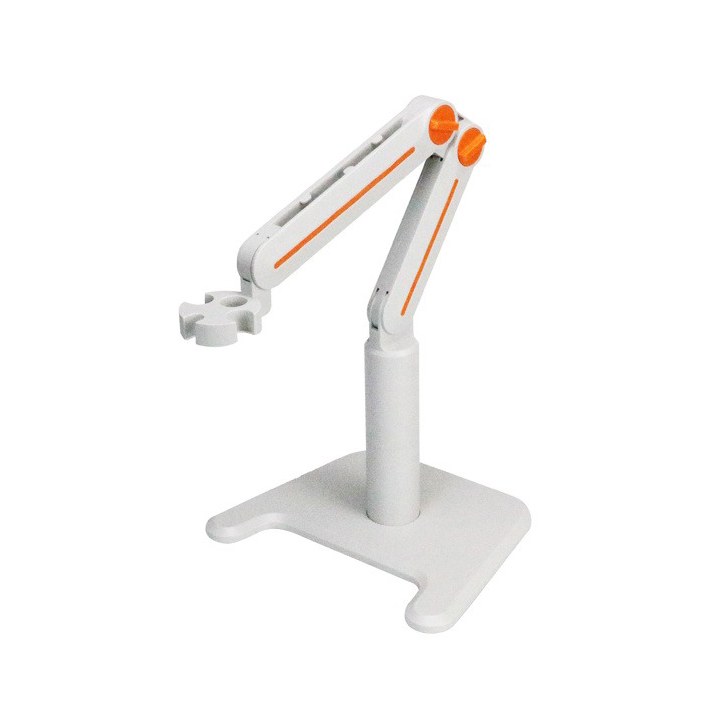
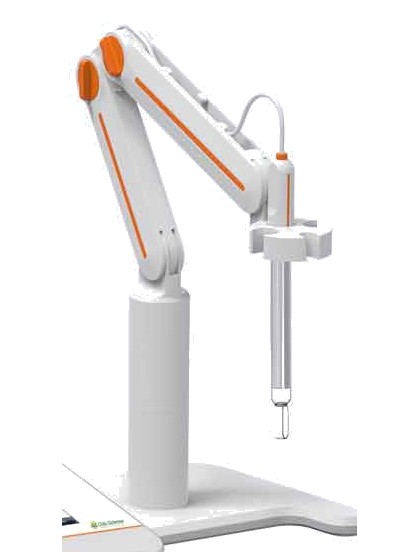
- ISE standard: 0.1 M fluoride standard (0.1 M NaF), 250 ml.
- Ionic strength adjuster: fluoride TISAB, 250 ml.
- Reference electrode: required for measurement; choose it from the reference electrodes in the catalogue.
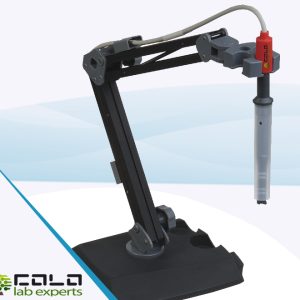
Video: how the electrode holder is installed and used
Standards, adjusters, filling solutions and holders are in the accessories section of the electrochemistry catalogue.
Frequently asked questions
Does the fluoride ion selective electrode fit my meter?
The fluoride ion selective electrode fits ion meters and pH/mV meters with a BNC input that also have an input for a reference electrode. Tell us the meter model before you order and we will confirm the connection.
How often should I calibrate the fluoride ion selective electrode?
Calibrate at the start of each working day and check the calibration with one standard every few hours; recalibrate when the check drifts or when the sample type or temperature changes.
Where can I read more about electrodes?
The electrode catalogue has an electrode guide, a full selection matrix and an overview of connectors. The electrochemistry overview covers pH, conductivity, dissolved oxygen and ion measurement.