


Laboratory Furniture Solutions
COLO.Science provides laboratory furniture solutions designed around real workflow, available space, material compatibility and project requirements. Instead of offering only fixed standard units, we help customers define suitable bench configurations, sink areas, storage modules and work surfaces for laboratory environments that require durability, safety and long-term usability.
This page presents a flexible approach to laboratory furnishing, where dimensions, structural concepts, storage layout, sink integration and countertop materials can be adapted according to the application. Different materials may be selected for different zones of the laboratory, allowing each project to respond to technical needs, maintenance routines and user expectations.
Sink units
Storage modules
Material options
Custom dimensions
Project-based solutions
Flexible Material Selection
Bench tops, sink zones and furniture bodies can be specified using different materials according to chemical resistance, cleaning requirements, mechanical load and laboratory routine.
Adapted Dimensions & Layouts
Workstations can be configured according to room dimensions, user movement, equipment placement, utility points and the overall logic of the laboratory workflow.
Project-Oriented Approach
We support customers from concept discussion to practical configuration, helping define suitable laboratory furniture solutions for education, research, testing, QC and industrial environments.
Choosing the Right Material for the Right Laboratory Zone
Not every laboratory area requires the same level of chemical resistance, moisture protection or mechanical durability. That is why laboratory furniture should be specified according to real use conditions, rather than by applying the most demanding material to every workstation, cabinet and surface in the project.
In areas where aggressive chemicals, frequent wet cleaning or technically demanding procedures are not expected, it is often more economical and fully justified to use high-quality furniture-grade panel materials similar to those used in durable professional interiors and premium cabinetry. These materials can provide a clean professional appearance, reliable everyday functionality, efficient use of budget and an aesthetically refined finish. More resistant surfaces such as epoxy resin, ceramic or stainless steel can then be reserved for zones that truly require higher technical protection.
Economical Where Appropriate
For dry work areas, general preparation zones, storage sections and less aggressive laboratory environments, furniture-grade laminated or engineered panel materials can offer a balanced combination of cost efficiency, visual quality and practical everyday use.
Higher Protection Where Needed
Wet zones, sink areas, chemical handling benches and applications exposed to intensive cleaning or corrosive substances may require more resistant solutions such as epoxy resin, stainless steel, ceramic or other technically specialized surfaces.
Project-Based Material Zoning
A well-designed laboratory does not have to rely on one material throughout the entire room. Different workstations can be adapted according to function, allowing the project to remain technically appropriate, visually consistent and economically controlled.
Practical Design Principle
The goal is not to specify the most resistant material everywhere, but to use the most suitable material in each laboratory zone. This approach helps create furniture solutions that are technically justified, visually clean and better aligned with the customer’s real operational needs.
Explore Our Laboratory Categories
Discover key furniture groups used in laboratory planning, from benchtops and storage units to seating and functional accessories.
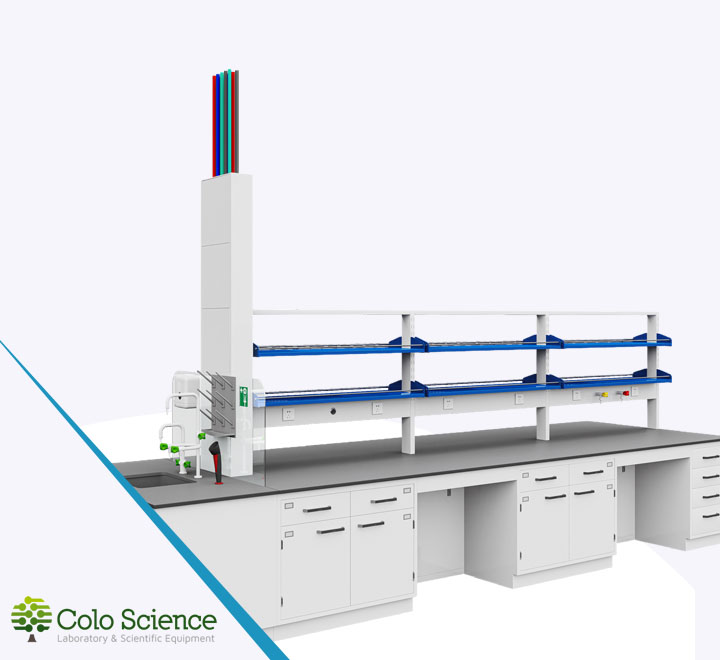
Laboratory Benchtop
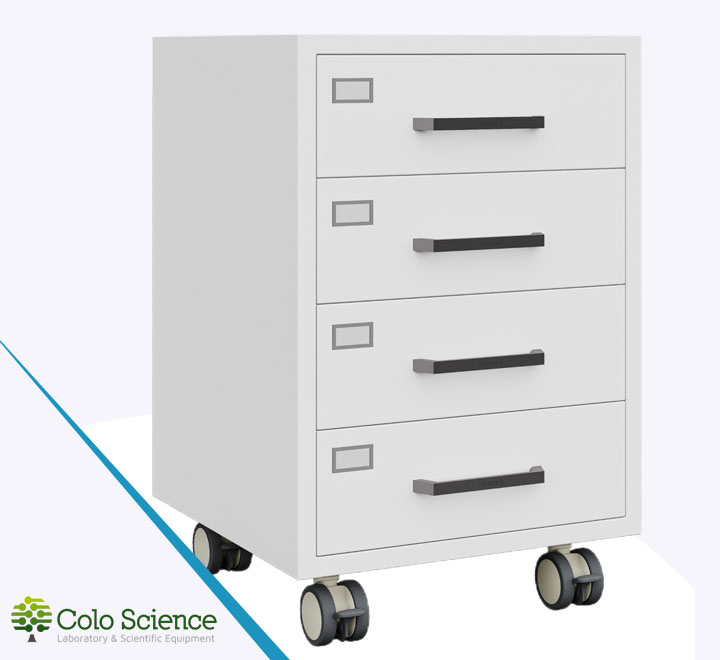
Laboratory Cabinets
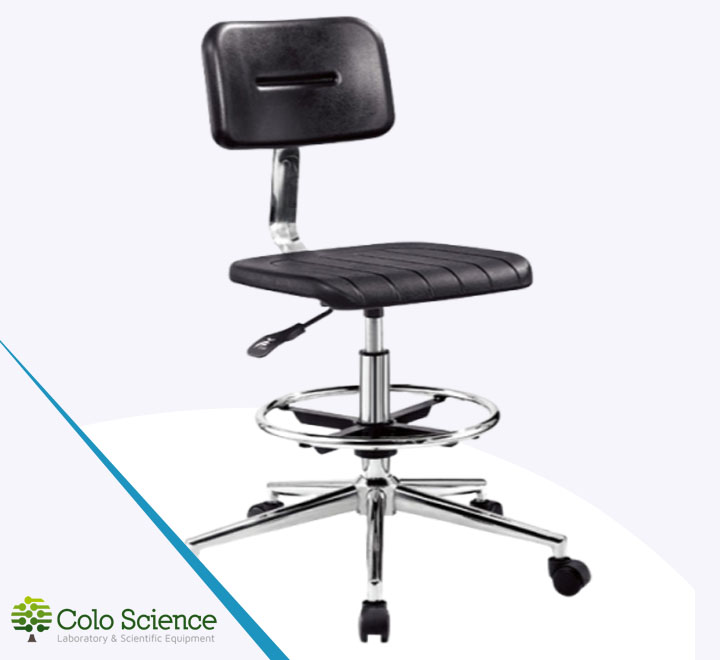
Laboratory Stool
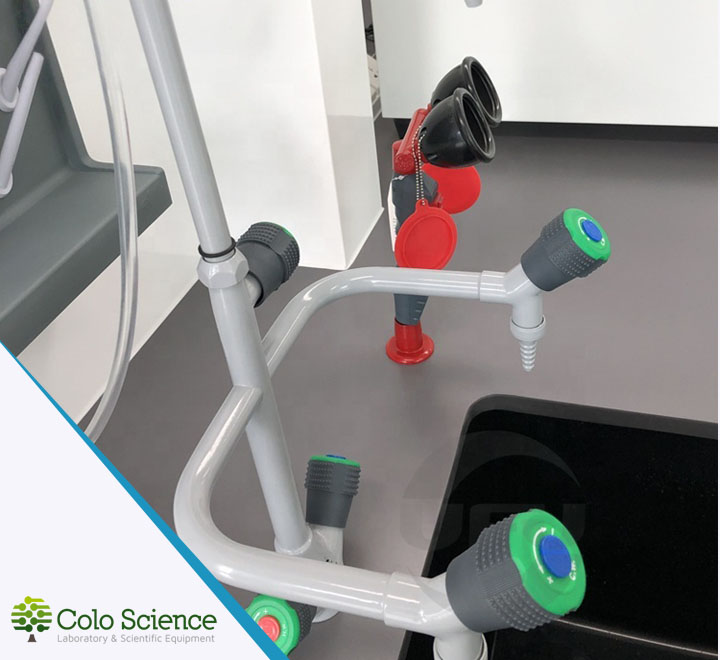
Accessories
Laboratory Benchtop Solutions
Laboratory benchtops form the core of most laboratory furniture layouts, supporting daily work, instrument placement, sample preparation and wash-up activities. Depending on the room configuration and intended use, benchtop systems may be developed as wall benches, island benches, sink-integrated workstations or combinations of fixed and modular units.
Dimensions, support structures, underbench storage, utility access and worktop materials can all be adapted according to the technical and operational needs of the laboratory. This allows each project to achieve the right balance between workflow efficiency, material suitability, cleanability and overall visual consistency.
In practice, one benchtop concept can often be configured in several ways, from economical dry-zone workstations to more resistant technical benches designed for sinks, moisture exposure or demanding laboratory procedures.
Understanding Laboratory Benchtop Categories
Laboratory benchtops are not defined only by their dimensions or appearance. Their category is primarily determined by how they are positioned in the room, how users access them and what type of laboratory activity they are intended to support. For that reason, benchtop planning is an important part of the overall laboratory layout.
Some benchtops are placed along the wall and serve as efficient linear workstations. Others are designed as island units with access from both sides, supporting shared workflows, instrument placement or central sample preparation. In many projects, sink benches or utility-integrated stations are developed as dedicated functional zones with specific requirements for water access, drainage, cleanability and surface resistance.
Choosing the right benchtop category helps define workflow efficiency, user movement, service integration, storage logic and material selection. In other words, the same laboratory does not need one universal bench type everywhere. Different categories may be combined to create a more practical, safer and better organized working environment.
Practical planning principle: wall benches, island benches and sink-integrated benches are not competing options, but complementary categories that may be combined according to the real needs of the laboratory space.
Main Laboratory Benchtop Categories
Laboratory benchtops may be developed in different categories according to layout, workflow and intended use.
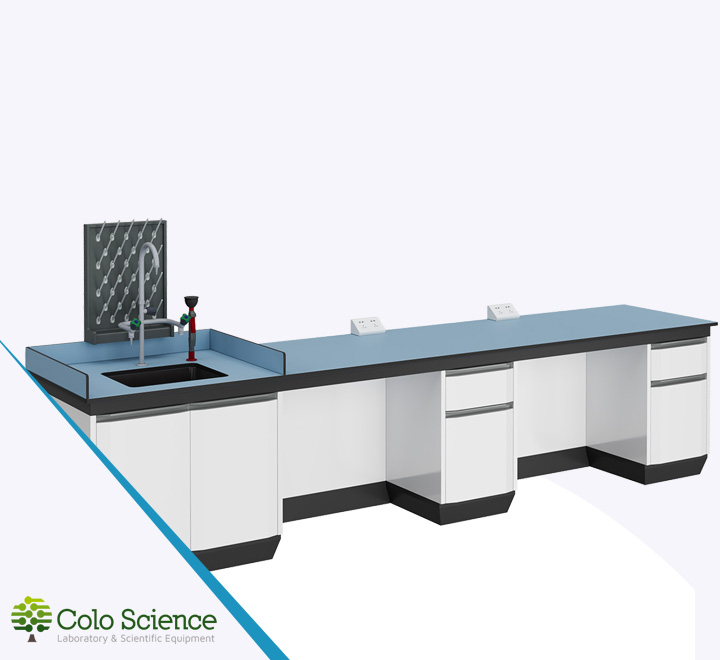
Wall Benches
Benches positioned along the wall, suitable for linear workflows, instrument placement and efficient use of perimeter laboratory space.
Island Benches
Central workstations accessible from more than one side, suitable for shared work, sample preparation and open laboratory layouts.
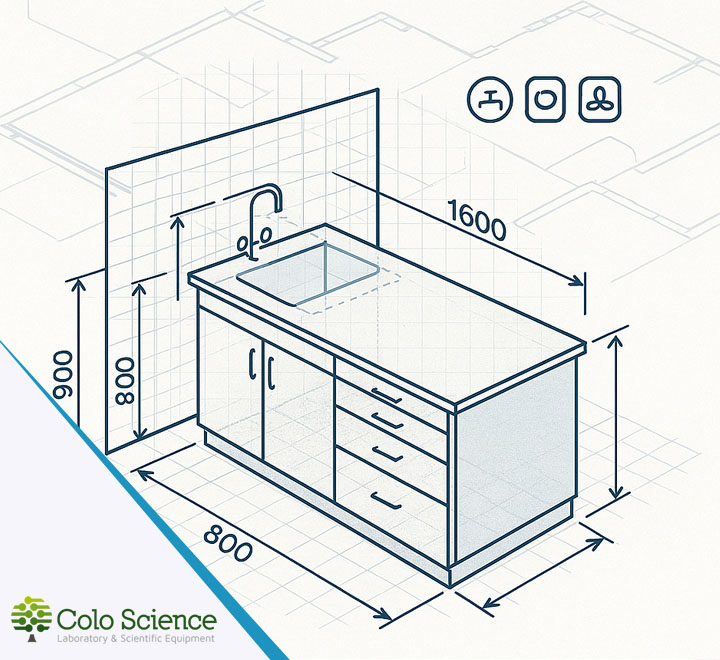
Sink Benches
Benches designed for wet zones, washing points and areas requiring water supply, drainage, easier cleaning and suitable surface resistance.
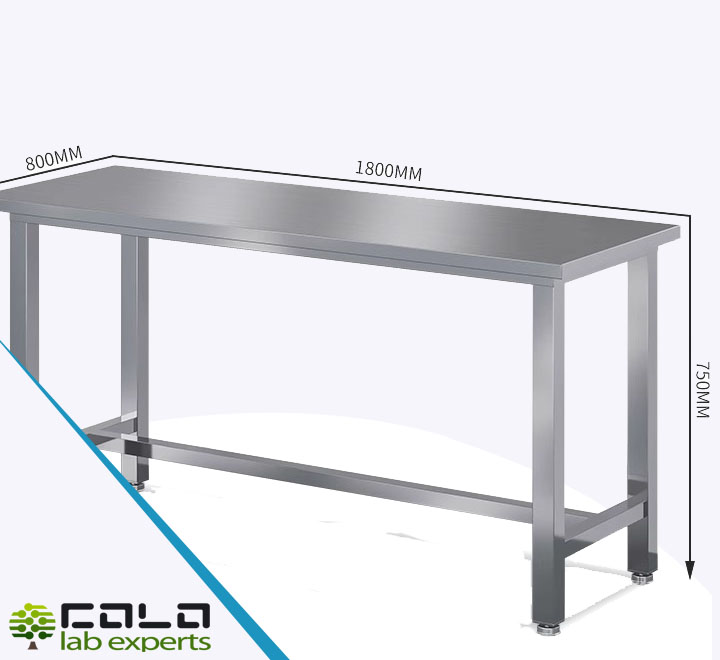
Technical Workbenches
More robust benches intended for heavier laboratory equipment, technical instruments and applications where stability and structural strength are especially important.
Wall Benches
Island Benches
Sink Benches
Technical Workbenches
Efficient perimeter workstations designed for linear laboratory layouts, instrument placement and integrated storage.
Central workstations with access from multiple sides, suitable for shared workflows and open laboratory planning.
Dedicated wet-zone benches developed for washing points, water access, drainage and easier cleaning.
Robust bench solutions intended for heavier instruments, mechanical stability and demanding technical use.
Additional Laboratory Furniture Categories
In addition to benchtop solutions, laboratory furniture planning also includes storage elements, seating and supporting accessories. These categories help complete the laboratory environment and adapt the workspace to daily operational needs.
Laboratory Cabinets
Storage modules are an important part of laboratory furniture planning, helping organize instruments, consumables, tools and daily working materials. Cabinet solutions may include underbench units, drawer modules, mobile elements and dedicated storage configurations adapted to laboratory workflow.
Laboratory Seating
Laboratory seating supports user comfort, posture and everyday practicality at workstations where standing operation is not always required. Depending on the task, seating options may be selected according to height adjustment, cleanability, mobility and compatibility with the surrounding laboratory environment.
Laboratory Accessories
Accessories help transform furniture into a functional laboratory system by adding utility points, sinks, faucets, drying racks, shelving and other supporting elements. These components are often essential for adapting a standard furniture layout to the real technical requirements of the space.
Explore Detailed Laboratory Furniture Categories
Laboratory furniture solutions may be developed further through dedicated category pages, where individual furniture groups, material options and configuration principles can be presented in greater detail.
From Layout to Functional Laboratory Furniture
Laboratory furniture projects are developed through a practical planning process rather than by selecting standard elements alone. Based on the room layout, available space, given or proposed dimensions and the intended laboratory workflow, our specialists can help define a suitable combination of bench sizes, module composition, storage arrangement and functional zones.
This approach makes it possible to optimize the project from several perspectives at the same time — functionally, technically and visually. The goal is to create laboratory furniture solutions that fit the space correctly, support daily work efficiently, integrate required services and maintain a coherent professional appearance.
1. Room Layout Review
We start from the room plan, available dimensions and basic workflow requirements.
2. Bench & Module Definition
Suitable bench categories, dimensions, storage modules and furniture composition are proposed.
3. Material & Technical Selection
Materials, sink options, service integration and construction details are aligned with the intended use.
4. Functional & Visual Optimization
The final configuration is refined to work well in practice and to present a clean, organized laboratory environment.
Send Us Your Layout or Project Requirements
If you already have a room layout, approximate dimensions or a defined laboratory task, our team can review the available space and propose a suitable furniture concept. Bench categories, module composition, storage options, sink zones and technical details can be adjusted according to the actual needs of the project.
Even when the final configuration is not yet defined, a basic floor plan, a sketch of the room or a list of functional requirements can be enough to begin the planning process.
What You Can Send
Room layout, floor plan, approximate dimensions, photos of the space or an initial technical request.
What We Define Together
Bench dimensions, category selection, module arrangement, material options and practical workflow logic.
Project Goal
A laboratory furniture solution that is functionally practical, technically suitable and visually well organized.