

'/%3E%3C/svg%3E)


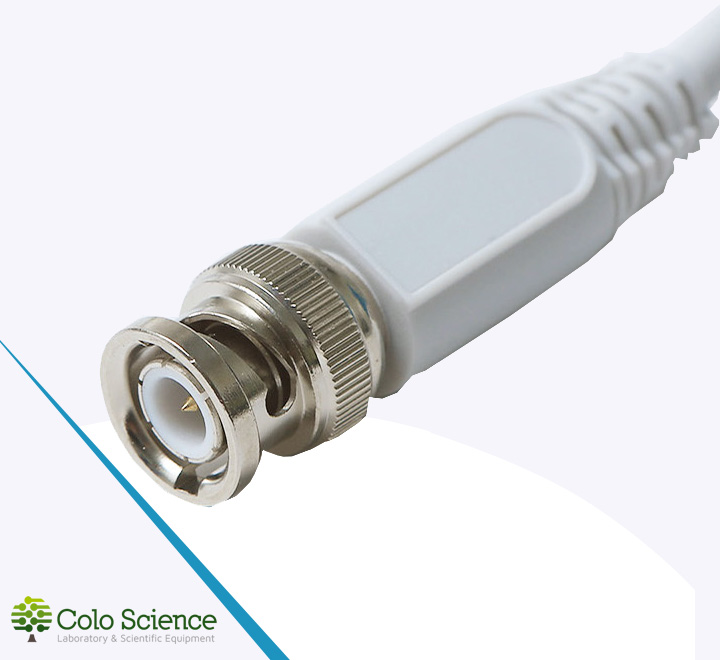
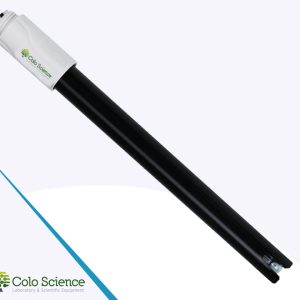
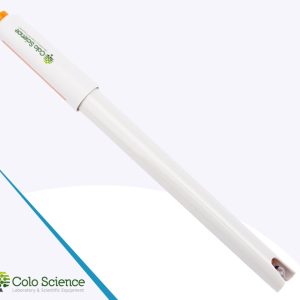
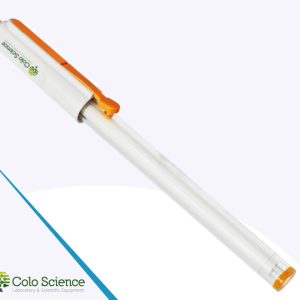
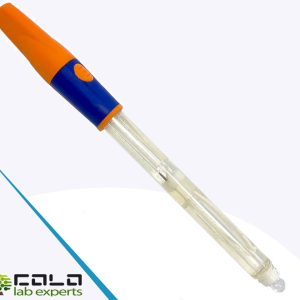
PRO6137 — pH electrode for cheese: a piercing pH electrode for meat, fish, fruit, vegetables, pastes and soil, with a 316 stainless steel blade and a sealed reference that needs no refilling. It has a sealed Ag/AgCl reference that needs no refilling, a single fabric junction and a BNC (Q9) connector for the meter.
How the pH electrode for cheese is built
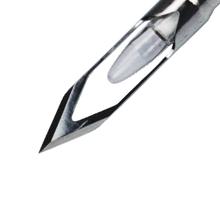
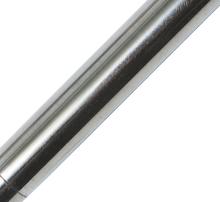
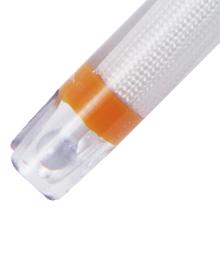
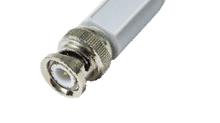
The reference system is Ag/AgCl. It is sealed, so the pH electrode for cheese has no electrolyte to check or refill.
Technical parameters
| Model / order code | PRO6137 |
| Electrode type | pH composite (combination) electrode |
| Measuring range | pH 0 – 14 |
| Working temperature | 5 – 60 °C |
| pH sensor | Spear-tip glass membrane |
| Body material | POM + 316 stainless steel |
| Reference system | Ag/AgCl |
| Junction | Single fabric |
| Fill solution | None — sealed, non-refillable |
| Temperature sensor | None |
| Dimensions | Φ12 × 36 + Φ20 × 132 mm |
| Connector | BNC (Q9) |
Full data sheet: Technical Specification (PDF), two pages.
Is this the right electrode for your sample?
The pH electrode for cheese is recommended for: cheese; meat, fish; fruit, vegetables; paste; soil.
Some samples need a different design. The selection by sample in the electrode catalogue shows which electrode is recommended for which sample; the most frequent cases are:
- Samples above 60 °C: an electrode specified to 80 °C, or the high-temperature electrode to 120 °C.
- One sensor instead of two: the 3-in-1 pH composite electrode with a built-in temperature sensor (ATC).
- Liquid samples in a beaker: a general-purpose electrode with a spherical bulb.
One electrode for benchtop and portable pH meters
The pH electrode for cheese does not belong to one meter. The same electrode works on a benchtop meter in the laboratory and on a portable meter in the field — what decides is the input of the meter, not its housing. Its BNC (Q9) connector fits every meter with a BNC input; see the pH meters in the catalogue.
Because the pH electrode for cheese has no temperature sensor, the meter compensates temperature from a separate temperature probe or from a value entered by hand. After moving the electrode to another meter, calibrate again: calibration data are stored in the meter, not in the electrode.
From sample to result
Preparing the sample
Measure the sample as it is, at the point that matters — in the thickest part of a cut of meat or fish, in the flesh of the fruit, in the paste or in moistened soil. Take the reading at the same depth and at the same sample temperature each time, because both change the value. Dry soil is moistened with distilled water before the electrode is pushed in.
Preparing the pH electrode for cheese before calibration and measurement
- Remove the protective cap from the spear tip at the bottom of the electrode and rinse the tip with distilled water; blot the drops, do not rub — rubbing charges the glass and slows the response.
- The reference is sealed: there is no electrolyte level to check and no refill hole to open.
Calibrating the pH electrode for cheese
- Prepare fresh buffers at the same temperature as the samples and start the calibration on the meter.
- Immerse the tip in the first buffer, pH 7.00; wait for a stable reading and confirm the point.
- Rinse the tip with distilled water and blot the drops.
- Immerse the tip in the second buffer (pH 4.01 for acidic samples, pH 10.01 for alkaline); wait for a stable reading and confirm the point.
- The meter shows the electrode slope. If it is outside the limits given in the meter manual, clean the electrode, take fresh buffers and repeat the calibration.
Measuring
Push the blade and the tip into the sample until the membrane and the junction are covered, wait for a stable value and read pH together with the temperature. Rinse the tip and remove sample residue between measurements.
pH in food and soil control
In food and agricultural laboratories the pH electrode for cheese is used where a sample cannot be poured into a beaker.
Cheese: pH is measured directly in the cheese body. It is followed during production and ripening, because it decides texture, taste and shelf life.
Meat and fish: pH is measured directly in the muscle. It changes in the hours after slaughter and during storage, so it is followed as a quality and freshness parameter.
Fruit, vegetables and pastes: pH is one of the values that decide shelf life and the heat treatment a product needs.
Soil: pH is measured in moistened soil or in a soil and water suspension; it decides which nutrients are available to plants.
pH meters for the laboratory and for the field are in the electrochemistry catalogue.
Care, storage and accessories
Storing the electrode
Never store the pH electrode for cheese dry and do not keep it in distilled water. Between measurements and overnight, keep the tip in the protective cap filled with 3 M KCl storage solution.
When the reading is slow or drifts
The usual causes are a membrane that has dried out, a blocked junction or old buffers. Soak the tip in storage solution, use fresh buffers and calibrate again.
Accessories
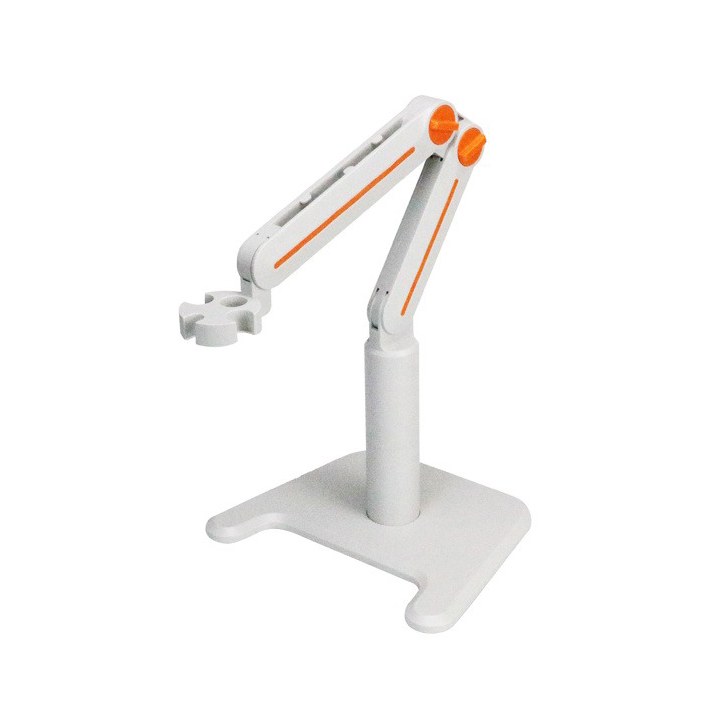
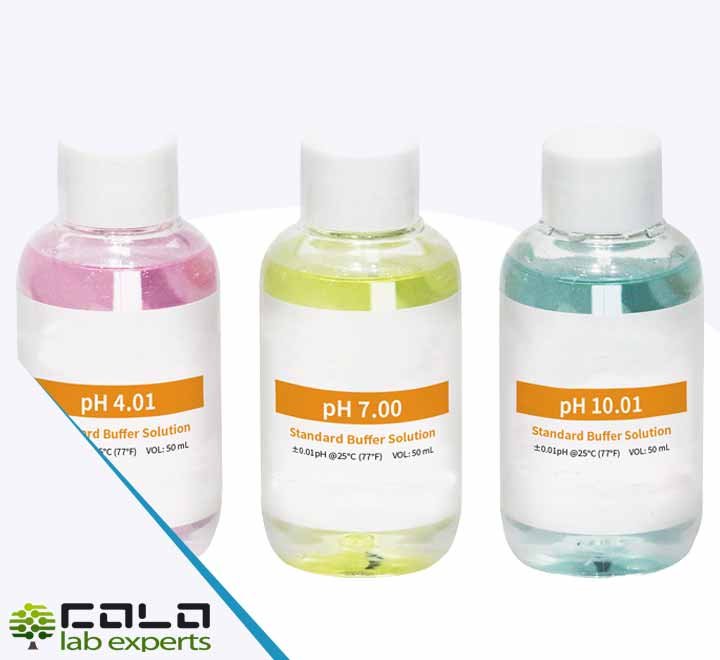
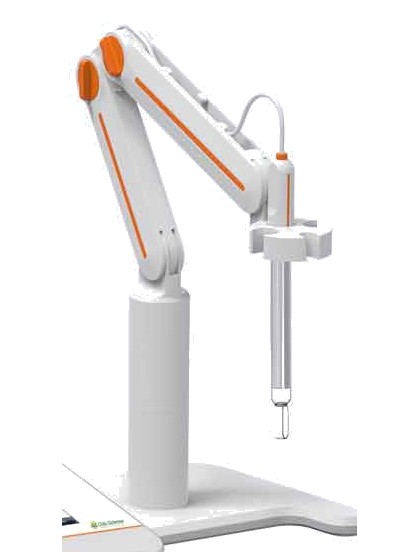
- pH buffers in sachets: single-use portions, always fresh, practical for field work and occasional calibration.
- 3 M KCl solution: for storing the electrode between measurements.
Video: how the electrode holder is installed and used
Buffers, solutions, cables and holders are in the accessories section of the electrochemistry catalogue.
Frequently asked questions
Does the pH electrode for cheese fit my meter?
The pH electrode for cheese fits any meter with a BNC input. Meters with another input type need a different connection, so tell us the meter model before you order.
How often should I calibrate the pH electrode for cheese?
For routine work, calibrate at the start of each working day and whenever the sample type or temperature changes noticeably. For occasional measurements, calibrate before each series.
Where can I read more about electrodes?
The electrode catalogue has an electrode guide on sensor shapes, body materials and junctions, a full selection matrix and an overview of connectors. The electrochemistry overview covers pH, conductivity, dissolved oxygen and ion measurement.