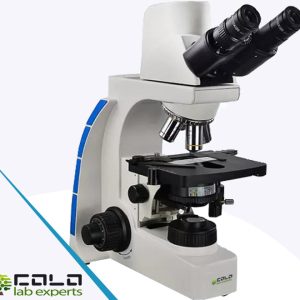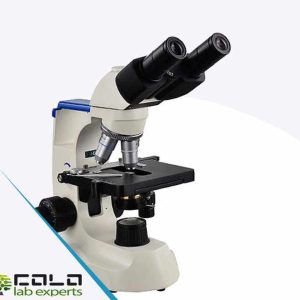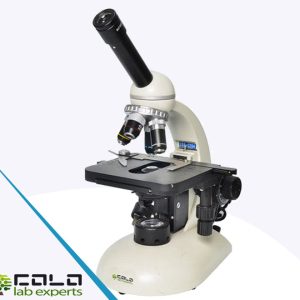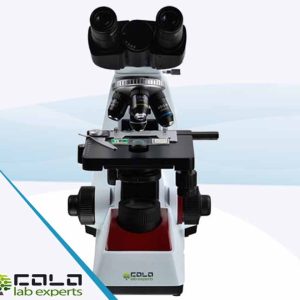



COLO.Science — DINO KIDS EDUCATIONAL MICROSCOPE
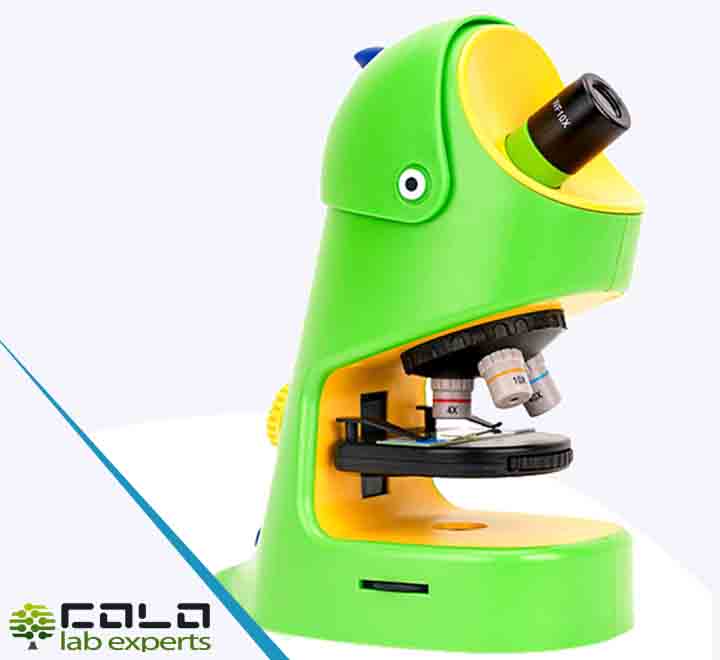
DINO Kids — Educational Microscope for Kids
A friendly first microscope designed to spark curiosity at home and in school—simple setup, easy observation, and learning through play (with adult supervision).
Easy handling
Learning by discovery
Safe sample ideas
Home & school
COLO.SCIENCE – EDUCATIONAL PRODUCTS
DINO Kids educational microscope: a fun start in science
The DINO Kids educational microscope is made for children who want to explore tiny details from nature and everyday objects. It is an entry-level learning tool that helps kids ask better questions: “What is it made of?”, “How is it different?”, and “What do I notice when I change focus?” The goal is not complexity—it’s a clear first experience that builds confidence.
For parents and teachers, the DINO Kids educational microscope works best as a short, guided activity: choose a safe sample, observe, describe what you see, and compare two materials. This turns play into a simple scientific method: observe → describe → compare → conclude. With small, repeatable sessions, kids improve attention to detail and learn basic lab habits.
What kids learn
- How to prepare a simple sample and observe details.
- How focus works and why stability matters.
- How to compare textures and structures.
- How to make notes and describe findings clearly.
Safe sample ideas (parent-approved)
- Leaf surface, flower petal, onion skin (thin and safe).
- Salt/sugar crystals, sand grains, chalk dust (dry samples).
- Paper fibers, fabric threads, brush bristles.
- A drop of clean water on a slide (supervised; no drinking).
PRACTICAL GUIDANCE
How to use a kids educational microscope (simple routine)
- Choose one safe sample (start with paper fibers or a leaf).
- Place the sample gently and keep the surface stable.
- Start low and focus slowly until the image becomes clear.
- Observe and describe: color, lines, dots, texture—what is different?
- Compare two samples (paper vs. fabric, salt vs. sugar) and write one sentence.
Safety note (important)
Use only safe household samples and always supervise children. Avoid unknown biological materials, chemicals, or sharp tools. Keep sessions short and fun.
READ MORE (PARENTS & TEACHERS)
Helpful reading and microscope basics
Note: This is an educational product for learning and play. Contents and accessories can vary by set/bundle.