

Salmonella detection · Step 4 – confirmation
Triple Sugar Iron Agar – biochemical confirmation of Salmonella
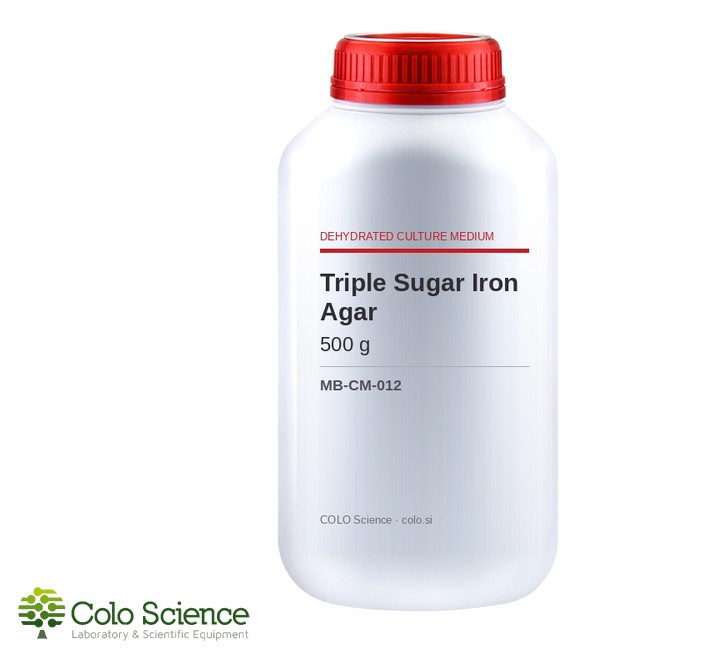
Triple Sugar Iron (TSI) Agar is used in slants for the biochemical confirmation of suspect Salmonella colonies and the differentiation of enterobacteria by glucose, lactose and sucrose fermentation, gas formation and hydrogen sulfide production.
- Salmonella: red (alkaline) slant, yellow (acid) butt, usually with black H₂S
- Used in ISO, USA FDA, EP and USP methods
- Dehydrated powder, 500 g bottle · COLO code PRO7439
How Triple Sugar Iron Agar works
The medium contains a small amount of glucose and ten times more lactose and sucrose, with phenol red as pH indicator. Organisms that ferment only glucose acidify the butt (yellow), while the slant turns back to alkaline (red). Fermentation of lactose or sucrose keeps the whole tube yellow. Ferrous salts and thiosulfate show H₂S production as a black precipitate, and gas formation splits or lifts the agar.
Reading the reactions
| Reaction | Appearance |
| Acid | yellow |
| Alkaline / no change | red |
| H₂S production | black precipitate |
| Gas | bubbles or cracks in the agar |
| Typical Salmonella | red slant, yellow butt, black H₂S, usually gas |
Inoculate by stabbing the butt and streaking the slant; keep the caps loose during incubation.
Technical data
| Preparation | 63.4 g per litre of water; boil to dissolve, dispense into tubes, sterilise at 115 °C for 15 min and let solidify as high-butt slants |
| Final pH | 7.4 ± 0.2 |
| Incubation | 35–37 °C, 18–24 h |
| Storage | Dry, dark place; close the cap tightly after use |
| Shelf life | 3 years unopened |
Applications and practical notes
Triple Sugar Iron Agar (TSI Agar) is used for the biochemical confirmation of Salmonella in ISO 6579-1 and FDA BAM Chapter 5. Typical applications include:
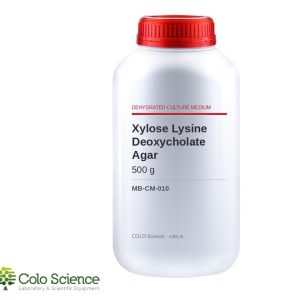
- confirmation of suspect colonies from XLD and other selective agars
- differentiation of enterobacteria in food and water microbiology
- pharmacopoeial identification of Salmonella
- teaching and reference laboratories
Working with Triple Sugar Iron Agar: Pick a well-isolated colony, stab the butt and streak the slant. Keep the caps loose during incubation and read after 18–24 h; later reading can give false alkaline reactions on the slant.
Good practice with dehydrated media: keep the bottle tightly closed in a cool, dry place, weigh the powder quickly to avoid moisture uptake, and use fresh distilled or deionised water. Check the pH of each new batch after preparation and before use, and label prepared media with the date. Performance of each lot can be verified with reference strains according to ISO 11133, the standard for the preparation, production, storage and performance testing of culture media.
About the Salmonella culture method: the reference method for Salmonella in the food chain, ISO 6579-1, has four steps: non-selective pre-enrichment, selective enrichment in two broths, plating on two selective agars and confirmation of typical colonies. The FDA BAM Chapter 5 follows the same principle with media adapted to different food types. Rapid tests and identification kits shorten the time to result, but positive screening results are usually confirmed by the culture method. COLO.Science offers products for every step, so that one supplier covers the whole procedure.
Complete sets from one supplier: COLO.Science supplies culture media, supplements, rapid tests, identification kits and QC strains as complete sets for the method you follow. Send us your sample types and standards, and we will prepare an offer with the matching products and documentation.
Triple Sugar Iron Agar is supplied by COLO.Science in the pack sizes listed under Ordering information. For larger quantities, regular deliveries or method-specific sets that include Triple Sugar Iron Agar, please send us a request. With every delivery of Triple Sugar Iron Agar you receive the lot number and expiry date, and on request we send the available documentation for Triple Sugar Iron Agar. If you are changing to Triple Sugar Iron Agar from another supplier, we are happy to advise on the transition.
Where Triple Sugar Iron Agar fits in the Salmonella workflow
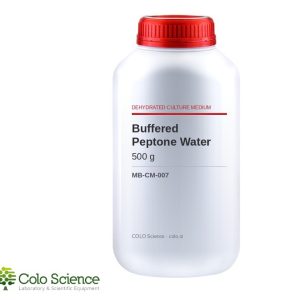
- Pre-enrichment – Buffered Peptone Water or Lactose Broth
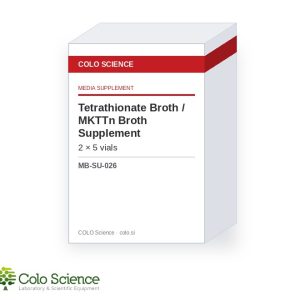
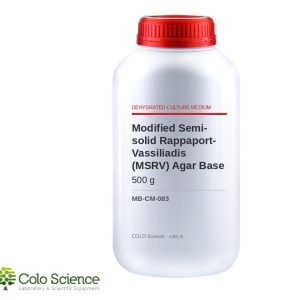
- Selective enrichment – RVS Broth and MKTTn Broth
- Selective isolation – XLD Agar plus a second selective or chromogenic agar
- Confirmation – TSI, Lysine Iron Agar, Urea Agar, latex and biochemical identification
See the complete Salmonella set in the Microbiology Catalogue →
Ordering information
| Product | COLO code | Pack |
|---|---|---|
| Triple Sugar Iron Agar, dehydrated | PRO7439 | 500 g |
| Lysine Iron Agar, dehydrated | PRO7522 | 500 g |
| Urea Agar Base, dehydrated | PRO7440 | 500 g |
Product notice: preparation, storage conditions and shelf life are given on the label. Technical data on this page are for orientation; the label and the lot documentation apply. B2B prices are quoted net, excluding VAT.
Sales and technical support
COLO LabExperts
Polje ob Sotli 4, SI-3255, Slovenia
Quotations and technical support for culture media and microbiology products across our international sales territory. B2B prices are net, excluding VAT.
COLO.SCIENCE | MICROBIOLOGY SUPPORT
Need the complete set for your method?
Send the sample type, target organism and the standard you follow. COLO.Science will put together the media, supplements, QC strains and confirmation tests for the whole procedure.