


Laboratory stools are an important part of practical and ergonomic laboratory furniture arrangements. They support seated work at benches, instruments and preparation areas while helping laboratory users maintain comfort, mobility and efficient access during routine tasks.
At COLO.Science, laboratory stool solutions can be selected according to working height, mobility requirements, seat design and laboratory environment. Depending on the application, stools may include height adjustment, backrests, footrings, castors or static bases for different daily working preferences.
This category includes laboratory stool options suitable for research, quality control, educational and technical laboratory environments where ergonomic support, easy cleaning and practical day-to-day use are important.
Seating that supports laboratory workflow
From compact standard stools to height-adjustable and mobility-oriented designs, laboratory stools help improve user comfort and support more efficient seated work across different laboratory tasks and workstation layouts.
Types of Laboratory Stools
Laboratory stools can be configured in different ways depending on bench height, user preference, mobility requirements and the type of daily laboratory work. The right stool design helps improve comfort, posture and practical workstation use.
Standard Laboratory Stools
Standard laboratory stools provide simple and practical seating for routine bench work, sample preparation and general laboratory use where compact seating support is needed.
Height-Adjustable Laboratory Stools
Height-adjustable stools support different user preferences and workstation heights, helping improve seated ergonomics at laboratory benches, instruments and technical work areas.
Backrest Laboratory Stools
Laboratory stools with backrests provide additional support for users who spend longer periods seated during routine procedures, documentation or instrument-based work.
Footring Laboratory Stools
Footring-equipped stools are suitable for higher working positions where additional lower-body support helps improve comfort during seated laboratory tasks.
Castor-Based Laboratory Stools
Castor-based stools provide greater mobility within the workstation area and are useful where users need flexible seated movement between instruments or working positions.
Static Base Laboratory Stools
Static base stools are suitable for stable seating applications where fixed-position support is preferred over mobility within the laboratory workspace.
LS-STD
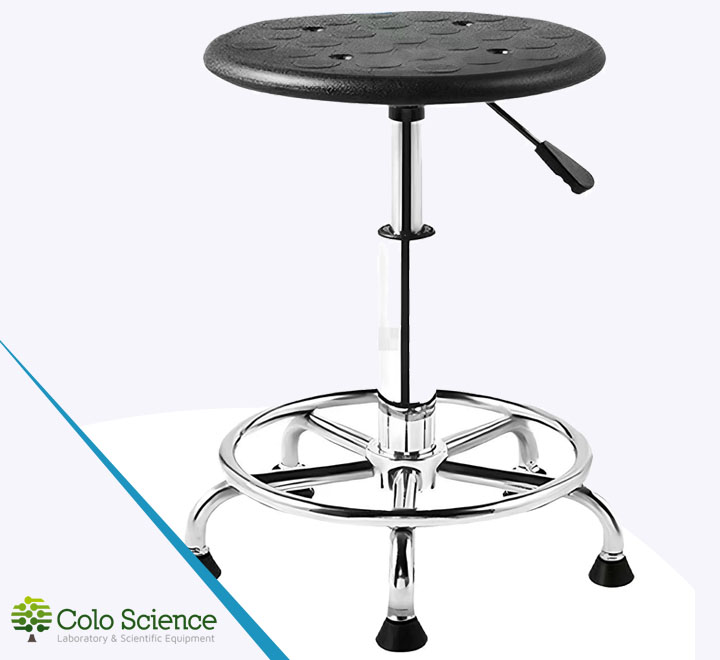
LS-ADJ / LS-BACK
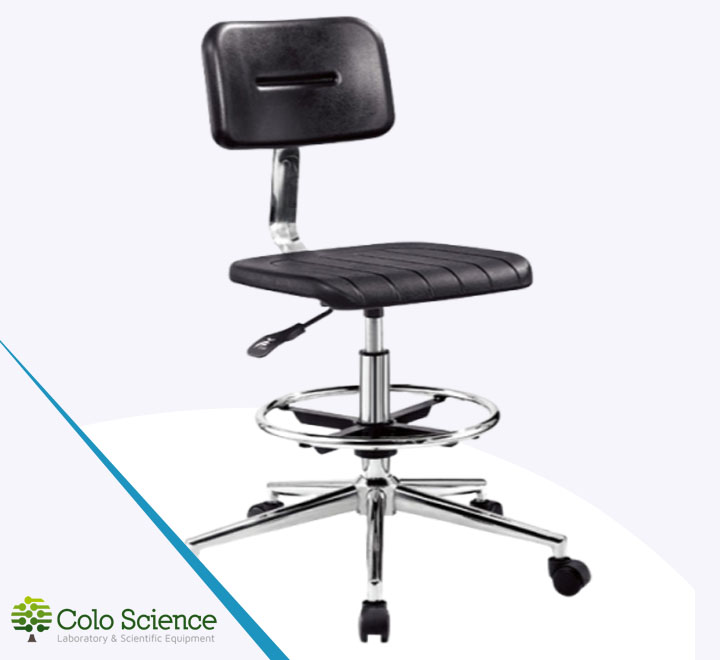
LS-CASTOR / LS-FOOT
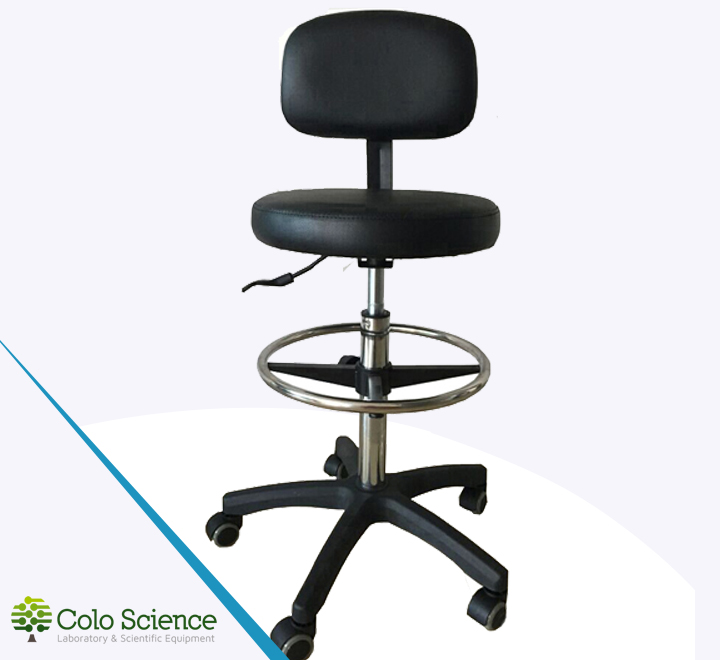
Standard Laboratory Stool
Compact and practical seating solution for routine laboratory work, bench use and general preparation tasks.
Adjustable Stool with Back Support
Height-adjustable stool design with additional back support for more ergonomic seated work at laboratory benches and instruments.
Mobile Stool with Foot Support
Flexible stool configuration with castors and foot support for dynamic movement and comfortable seating at higher workstations.
Key Features & Adjustability
Laboratory stools are selected not only by type, but also by the practical features that support comfort, posture and everyday usability. Adjustability and ergonomic design help match seating more closely to bench height, user preference and working style.
Height Adjustment
Adjustable height helps align the stool with different bench levels, user preferences and seated working positions across laboratory tasks.
Back Support
Backrest options provide additional support for users who remain seated for longer periods during instrument work, observation or documentation.
Foot Support
Footrings and lower support elements improve comfort at higher working positions by helping maintain a more stable seated posture.
Mobility & Movement
Castors and mobility-oriented bases help users move more easily between nearby instruments, benches and working zones where flexibility is needed.
Stability in Use
A stable base design supports safer and more confident seated work, especially in laboratory environments where focus and precision are important.
Easy-Clean Design
Laboratory stools are often selected with practical surfaces and simple forms that support easier cleaning and everyday maintenance.
Materials & Seat Options
Laboratory stools can be selected with different seat materials, surface finishes and structural elements depending on cleaning requirements, user comfort and the intended laboratory environment. The right material choice helps support both practical daily use and long-term durability.
Polyurethane Seats
Polyurethane seat surfaces are suitable for laboratory use where durability, practical cleaning and resistance to everyday wear are important.
Upholstered Seats
Upholstered stool options can provide additional seating comfort in laboratory environments where softer support is preferred during longer seated tasks.
Stainless Steel Components
Stainless steel elements are suitable for laboratory and technical environments where robust construction and practical maintenance are important.
Base & Support Materials
Stool bases can be configured with different support structures depending on the need for mobility, static positioning and everyday seated stability.
Easy-Clean Surfaces
Seat and surface finishes can be chosen to support faster routine cleaning and more practical maintenance in active laboratory settings.
Comfort-Oriented Seat Design
Seat shape and surface design can influence user comfort during longer seated tasks, especially where repetitive work or instrument use is involved.
Applications of Laboratory Stools
Laboratory stools are used in a wide range of laboratory and technical environments where practical seated support, ergonomic positioning and efficient workstation access are important. The right stool helps improve comfort and supports routine daily tasks across different types of work areas.
Research Laboratories
Laboratory stools support seated work in research environments where sample preparation, observation, instrument handling and repetitive bench tasks are part of the daily routine.
Quality Control Laboratories
In QC laboratories, stools help support routine testing, documentation and seated instrument use where consistent working posture and efficient access are important.
Educational Laboratories
In educational and training environments, laboratory stools provide practical seating for student benches, demonstrations and supervised laboratory exercises.
Instrument Workstations
Stools are often used at analytical instruments, microscopes and measuring stations where comfortable seated positioning supports more precise and efficient work.
Technical & Preparation Areas
Technical work areas and preparation benches can benefit from stool seating where users alternate between seated tasks, organization work and instrument setup.
Multi-User Laboratory Spaces
In shared laboratory environments, adjustable stool solutions can help support different users, workstation heights and changing work patterns throughout the day.
How to Choose the Right Laboratory Stool
Choosing the right laboratory stool means matching seating height, support level and mobility with the real working conditions of the laboratory. A well-selected stool helps improve comfort, posture and efficiency during routine bench and instrument work.
Match the Working Height
Stool height should match the level of the laboratory bench, instrument station or preparation area in order to support a more natural seated position.
Choose the Right Support Level
Standard stools, backrest stools and footring stools offer different levels of ergonomic support depending on task duration and user preference.
Consider Mobility Needs
Castor-based stools are useful where users need flexible movement, while static base stools are often preferred where fixed-position stability is more important.
Select Suitable Seat Materials
Seat surfaces should be selected according to cleaning requirements, daily use intensity and the level of practical comfort needed in the laboratory.
Think About Task Duration
Short routine tasks may require simple stool designs, while longer seated work often benefits from additional ergonomic features and more supportive seating.
Match the Laboratory Environment
The stool should fit the practical demands of the workspace, including cleaning routines, user turnover, bench layout and the type of work performed.
A well-chosen stool supports both comfort and performance
The most suitable laboratory stool usually depends on a combination of height, ergonomic support, mobility and maintenance requirements. Reviewing these factors early helps create a more comfortable and efficient working environment.
Customization & Project Support
Laboratory stools can be selected and configured according to workstation height, user comfort preferences and the practical needs of the laboratory environment. The right stool setup helps create more ergonomic and efficient seating support across different work areas.
Height Range Selection
Stool height options can be selected according to bench level, instrument height and the preferred seated working position within the laboratory.
Seat Type & Surface Options
Seat design and surface materials can be matched to comfort expectations, cleaning routines and the general character of the laboratory environment.
Backrest & Foot Support Options
Additional support features such as backrests and footrings can be selected for users who require more ergonomic seating during longer working sessions.
Base Configuration
Laboratory stools can be configured with castor bases or static bases depending on the need for mobility, stability and workstation movement.
Workstation Matching
Stool selection can be aligned with laboratory benches, instrument stations and preparation areas to create a more consistent and functional workspace setup.
Consultation & Selection Support
Early selection support helps identify the most suitable stool configuration for the intended tasks, user needs and laboratory layout.
“`
Choose the right laboratory stool for comfort and workflow support
Whether you need standard stools, height-adjustable models, backrest seating or mobility-oriented laboratory stool solutions, COLO.Science can help you select a practical option based on workstation height, user comfort and laboratory use.
Contact us to discuss your laboratory stool requirements, seating preferences and workspace setup. We can support both individual stool selection and broader laboratory furniture planning.