 COLO.Science · Technical Specification
PRO6143
pH Composite Electrode for Low-Conductivity Water
Ultrapure water pH electrode · Longlife Reference · Porous PTFE junction · S7 connector
PRO6143 pH Composite Electrode is designed for accurate pH measurement in ultrapure water, deionized water, distilled water and other low-conductivity samples where conventional pH electrodes may show slow response or unstable readings due to very low ionic strength.
The electrode combines a pH measuring element and reference system in one compact body, using an epoxy shaft, Longlife Reference system and porous PTFE junction for stable performance in high-purity water workflows.
Ultrapure water
Low conductivity
pH composite electrode
pH 0-11
0-80 °C
Epoxy body
Longlife Ref.
Porous PTFE
Unfillable
S7 connector
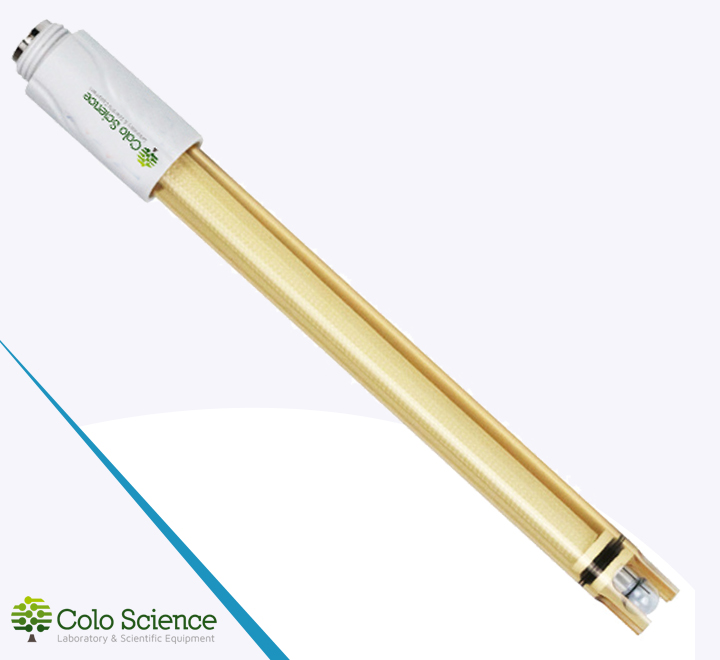
PRO6143 · low-conductivity pH composite electrode · main electrode view
Model / SKU
PRO6143
pH electrode
pH electrode
Address / HQ
Polje ob Sotli 4
SI-3255, Slovenia
SI-3255, Slovenia
Contact
sales@colo.si
+386 64 222 724
+386 64 222 724
Page 1 / 5
PRO6143 · Low Conductivity pH Composite Electrode
Technical data sheet · Informational document · Controlled electronic document
Product family: Electrochemical instruments on colo.si
Product family: Electrochemical instruments on colo.si
PRO6143 · technical specification
pH composite electrode for ultrapure water and low-conductivity samples
pH range 0-11
Working temp. 0-80 °C
Epoxy
Longlife Ref.
Porous PTFE
S7
- Specialized low-conductivity electrode for high-purity water laboratories
Product Overview
Application profile
Ultrapure water: optimized for pH measurement in deionized, distilled and high-purity water samples.
Low ionic strength: intended for samples where standard pH electrodes can drift, respond slowly or become unstable.
Laboratory workflows: suitable for pharmaceutical water checks, semiconductor support labs, research laboratories and purified-water monitoring.
Compact format: standard Φ12×120 mm electrode body for use with common holders, stands and beakers.
Design and measurement advantage
Composite electrode: pH measuring element and reference electrode are integrated in one practical probe.
Longlife Reference: designed to provide stable reference potential in demanding low-conductivity media.
Porous PTFE junction: supports controlled contact between reference system and sample while reducing clogging risk.
Low maintenance: unfillable construction simplifies routine use because electrolyte refilling is not required.
Key features
pH measurement: specified pH range from 0 to 11.
Body material: epoxy body for robust laboratory handling.
Reference system: Longlife Reference for stable low-conductivity operation.
Junction: porous PTFE junction for ultrapure water applications.
Connection: S7 connector for use with compatible S7 cable or S7-BNC(Q9) cable setup.
Temperature: specified for 0-80 °C working conditions.
Core technical summary
| Parameter | Specification |
|---|---|
| Model / SKU | PRO6143 |
| Electrode type | pH composite electrode for low-conductivity samples |
| Fill solution | Unfillable |
| Body / sensor material | Epoxy |
| Reference type | Longlife Reference |
| Junction material | Porous PTFE |
| pH range | 0-11 |
| Working temperature | 0-80 °C |
| Dimensions | Φ12×120 mm |
| Connector | S7 |
Sample typeUltrapure / low-conductivity water
pH range0-11
ReferenceLonglife Ref. · Porous PTFE
ConnectorS7
Page 2 / 5
Technical Specifications
Electrode construction and measurement profile
| Parameter | Specification |
|---|---|
| Product name | pH composite electrode (Low conductivity) for ultrapure water |
| Model / SKU | PRO6143 |
| Electrode type | pH composite electrode |
| Measurement parameter | pH |
| Recommended sample type | Ultrapure water, deionized water, distilled water and other low-conductivity aqueous samples |
| pH range | 0-11 pH |
| Working temperature | 0-80 °C |
| Body / sensor material | Epoxy |
| Reference type | Longlife Reference |
| Junction material | Porous PTFE |
| Fill solution | Unfillable |
| Dimensions | Φ12×120 mm |
| Connector type | S7 |
Compatibility and use notes
| Topic | Technical note |
|---|---|
| Meter input | Requires compatible S7 connection or an S7-BNC(Q9) cable for pH meters with BNC input. |
| Temperature compensation | This is a pH electrode. Temperature compensation depends on the connected meter and separate temperature probe configuration. |
| Calibration | Calibrate with fresh pH buffers according to the laboratory method, expected range and purified-water measurement practice. |
| Measurement stability | For low-conductivity water, allow sufficient stabilization time and avoid sample contamination during measurement. |
| Maintenance | Unfillable construction reduces routine electrolyte handling. Cleaning and storage should follow the application method. |
Product selection table
| Selection item | Specification / guidance |
|---|---|
| Recommended use | pH measurement in ultrapure water and low-conductivity aqueous samples where standard electrodes may be unstable. |
| Best fit | Pharmaceutical water systems, semiconductor support labs, purified-water QC, analytical laboratories and research use. |
| Handling advantage | Epoxy body and sealed unfillable construction support practical routine laboratory use. |
| Reference design | Longlife Reference system for stable reference behavior in low-ionic-strength samples. |
| Junction behavior | Porous PTFE junction supports stable contact with low-conductivity media and helps reduce junction-related instability. |
| Instrument match | Confirm S7 connector compatibility or required S7-BNC(Q9) cable before ordering. |
| Product family | Open COLO.Science electrochemical instruments |
| Request quote | Contact COLO.Science for configuration confirmation |
Specification note
Connector matching: confirm whether the meter requires S7, BNC(Q9) or an S7-BNC(Q9) cable before ordering.
Low-conductivity practice: ultrapure water has very low buffering capacity, so careful handling, clean vessels and stable conditions are important.
Electrode selection: for aggressive chemicals, high temperature or non-aqueous samples, confirm whether a specialized electrode is required.
Quotation control: final supplied configuration, cable, accessories and documentation should be confirmed in the official COLO.Science quotation.
Technical values are provided for product selection and orientation. Final delivered configuration, electrode type, accessory set, connector/cable arrangement and documentation should be confirmed through the official COLO.Science quotation or manufacturer-confirmed offer.
Page 3 / 5
Electrode Body and Connector Visual Support
Visual reference and functional elements
Electrode body: epoxy shaft in standard Φ12×120 mm format for common laboratory holders and sample vessels.
Sensor area: pH-sensitive measuring end intended for low-conductivity and ultrapure water pH measurement.
Reference system: Longlife Reference system to support stable performance in high-purity water samples.
Junction: porous PTFE junction for controlled contact between reference system and sample.
Connector: S7 connection; use compatible S7 connection or S7-BNC(Q9) cable when connecting to BNC meters.
Product image references
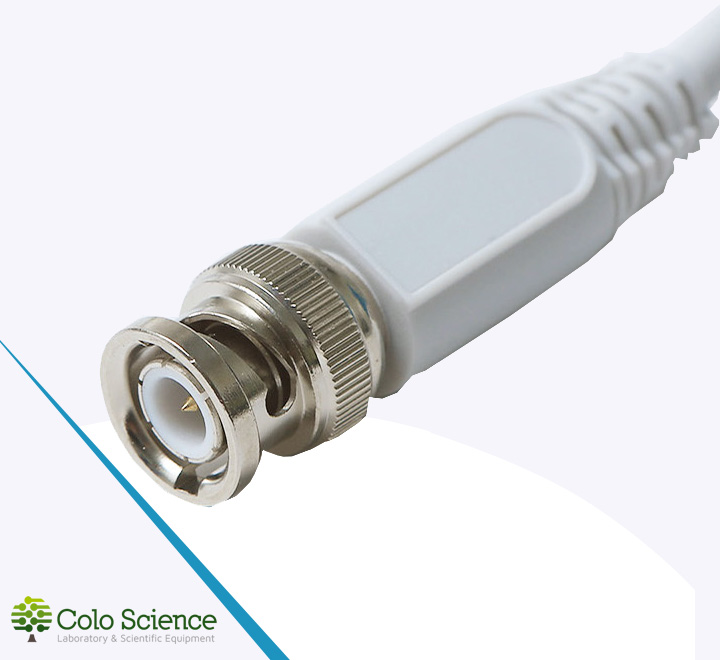
Compatibility notice - connector and meter matching are essential
PRO6143 uses an S7 connector. When the pH meter has a BNC input, an S7-BNC(Q9) cable is required. Before ordering, verify the exact meter connector type, cable requirement and whether a separate temperature probe is needed for the intended measurement workflow.
Selection and Use Notes
For ultrapure water
Sample handling: use clean vessels and avoid CO₂ absorption or contamination during measurement.
Stabilization: allow adequate reading stabilization time because low-conductivity samples respond differently from buffered samples.
For low maintenance
Main feature: unfillable design reduces routine electrolyte handling and refilling work.
Routine care: follow application-specific cleaning and storage procedures to preserve electrode performance.
For ordering
Connector: confirm S7 connection or S7-BNC(Q9) cable requirement.
Documentation: request final quotation confirmation for supplied cable, packaging and accessories.
Page 4 / 5
COLO.Science · Final Support Page
Manufacturer and support
COLO Lab Experts
Polje ob Sotli 4, SI-3255, Slovenia
Selection guidance: Send the meter model, connector type, sample type, expected pH range, working temperature and sample conductivity.
COLO.Science can help confirm whether PRO6143 is the correct low-conductivity pH electrode or whether another electrode, cable or temperature probe configuration is required.
Contact
Website: www.colo.si
Email: sales@colo.si
Phone: +386 64 222 724
Product family: Electrochemical instruments
COLO.Science technical support
PRO6143 · pH composite electrode for ultrapure water and low-conductivity samples
Use PRO6143 when a specialized low-conductivity pH electrode is required for ultrapure water, deionized water or purified-water laboratory workflows. Confirm connector/cable compatibility and measurement configuration before ordering.
Disclaimer: This technical specification is an informational COLO.Science document prepared for product selection and communication. Product images, connector details, accessories, supplied cable configuration and technical values may be updated or adjusted by the manufacturer. Only the official quotation, order confirmation or manufacturer-confirmed technical documentation should be treated as the binding specification for procurement, tender or validation purposes.
Page 5 / 5