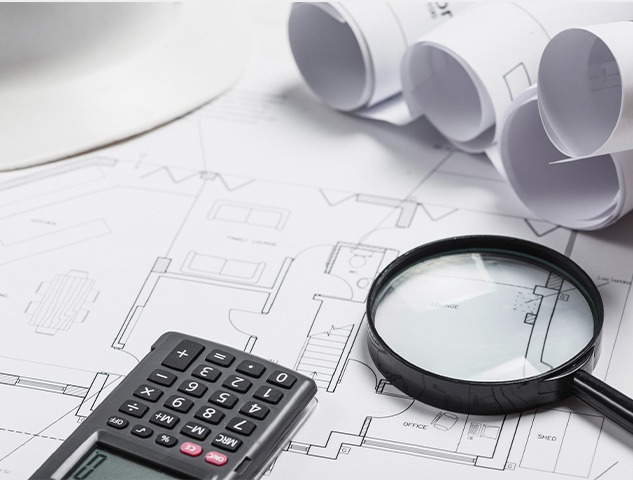
Laboratory furniture is not selected from a product list.
It is defined through planning — by understanding space, installations,
equipment, consumables and real laboratory workflows.
Everything starts with the laboratory idea
The first step is defining the laboratory concept itself:
what kind of work will be performed, which equipment and consumables are used,
and how users interact with the space on a daily basis.
This defines zoning, safety requirements and long‑term usability.
Built‑in and future installations
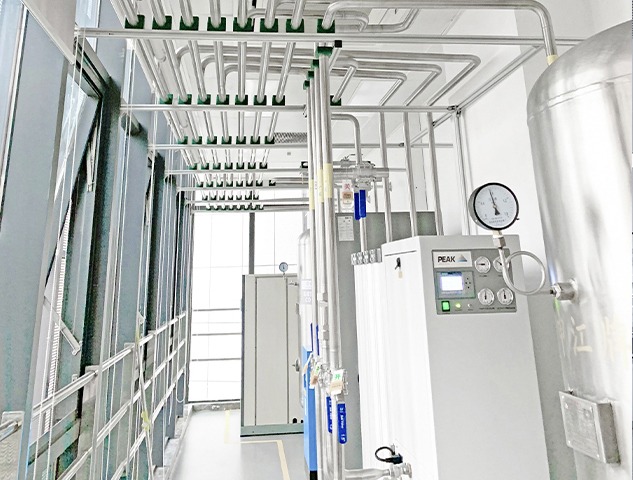
Existing installations must be analyzed and future needs anticipated.
Electrical power, water and drainage, ventilation and gas connections
directly define furniture positioning and configuration.
Correct planning here prevents costly modifications later.
Protective equipment defines the layout
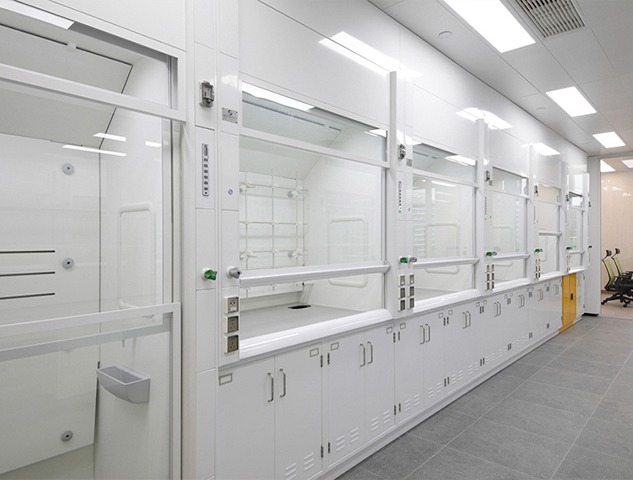
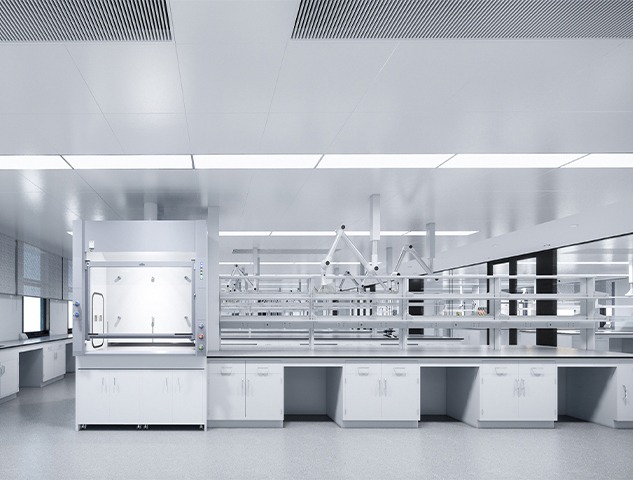
Fume hoods, biosafety cabinets, cytotoxic enclosures and digestors
are not accessories — they define laboratory furniture.
Their capacity, airflow and safety requirements shape bench layout,
storage solutions and circulation paths.
Central workbenches and ventilation strategy
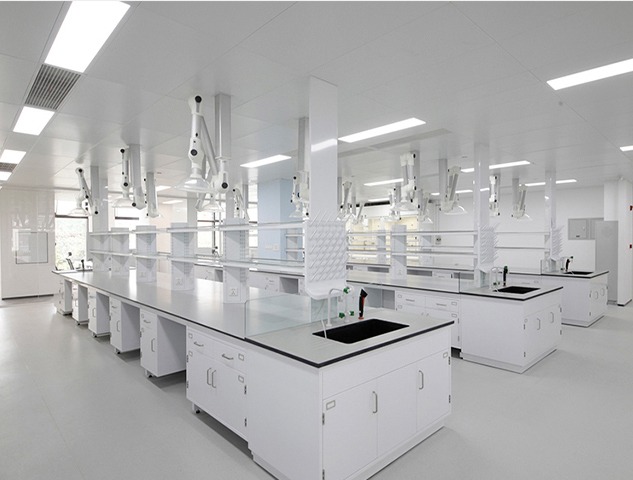
Central workbenches are often the core of laboratory activity.
Their dimensions, accessibility and ventilation concept must support
multiple users while maintaining safety and comfort.
Workstations for large laboratories
In large laboratory environments, furniture must scale without
compromising ergonomics or workflow efficiency.
Modular systems allow adaptation as laboratory needs evolve.
Laboratory furniture works only when the laboratory itself is well defined.
Space, installations, safety equipment, workflows and users come first.
Furniture is the result — not the starting point.
About COLO
COLO designs and supplies laboratory equipment and furniture
with a focus on practical laboratory work, safety and long‑term usability.
Our approach combines planning, technical understanding and real laboratory experience.