 COLO.Science · Technical Specification
COLO.Science · EXPEC distribution for the European Union
Elemental analysis · Full-spectrum ICP-OES
EXPEC 6500 ICP-OES
Vertical-torch dual-view spectrometer · 165–900 nm · 1024 × 1024 ECCD · 500–1600 W solid-state RF
EXPEC 6500 is a full-spectrum, simultaneous ICP-OES for laboratories that must report trace, minor and major elements in the same run – from µg/L in drinking water to percent levels in alloys, ores and fertilisers. A vertical torch with axial and radial observation, a thermostatted echelle optic and a one-inch ECCD detector capture the whole spectrum in one exposure: up to 72 elements in about 10 s, with 8-hour stability RSD ≤ 1 %.
COLO.Science delivers the 6500 as a complete system: instrument, chiller, software, sample introduction for your matrices, installation, IQ/OQ qualification, operator training and local application support.
Dual view (axial + radial)Vertical torch165–900 nm1024 × 1024 ECCD500–1600 WiStandby 5 L/min Ar21 CFR Part 11Delivery · training · serviceSKU PRO6868
Detection0.02 µg/LMg 279.553, axial
Elements72 in ~10 ssimultaneous
Spanµg/L to %one run, no re-dilution
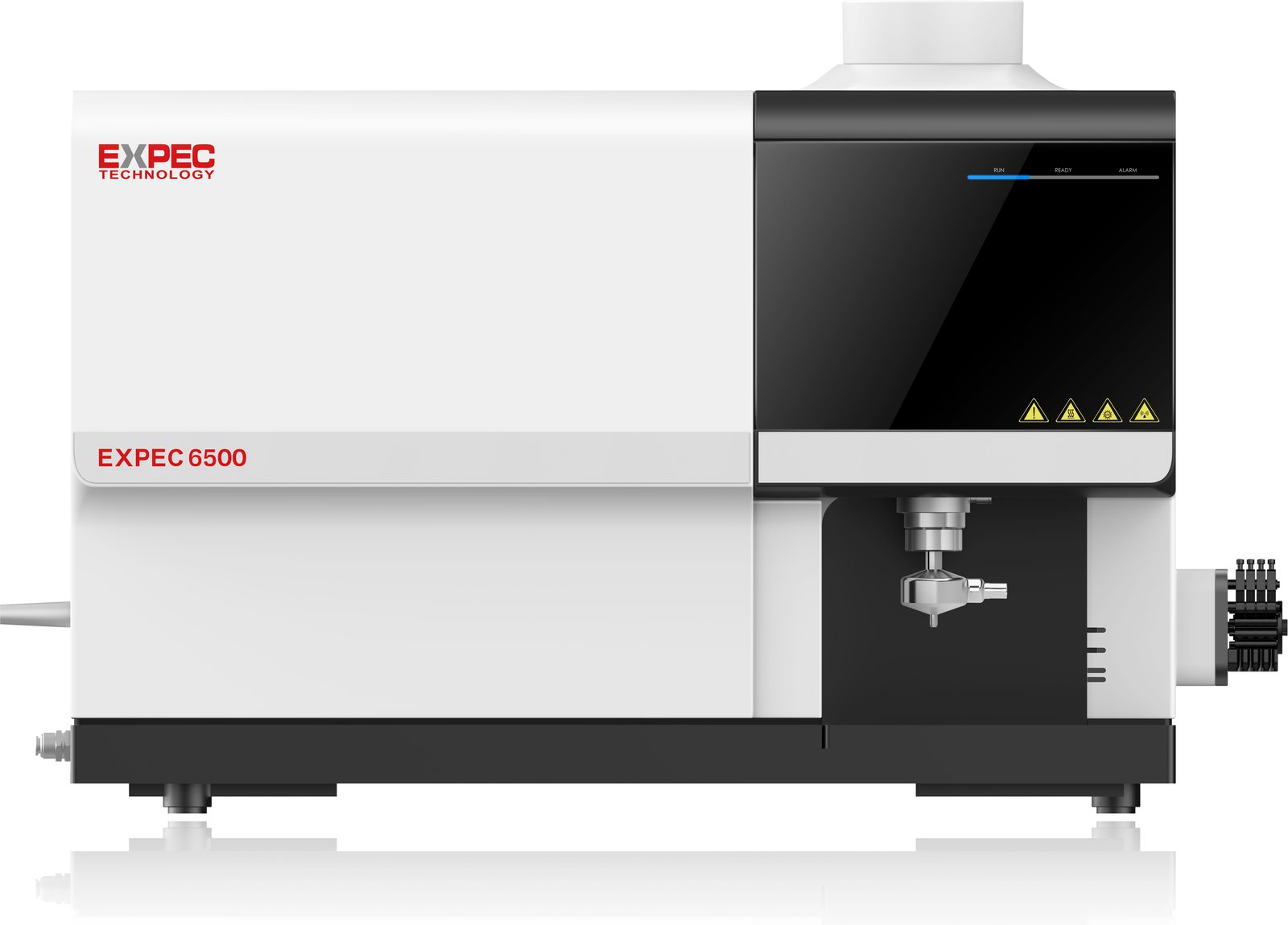
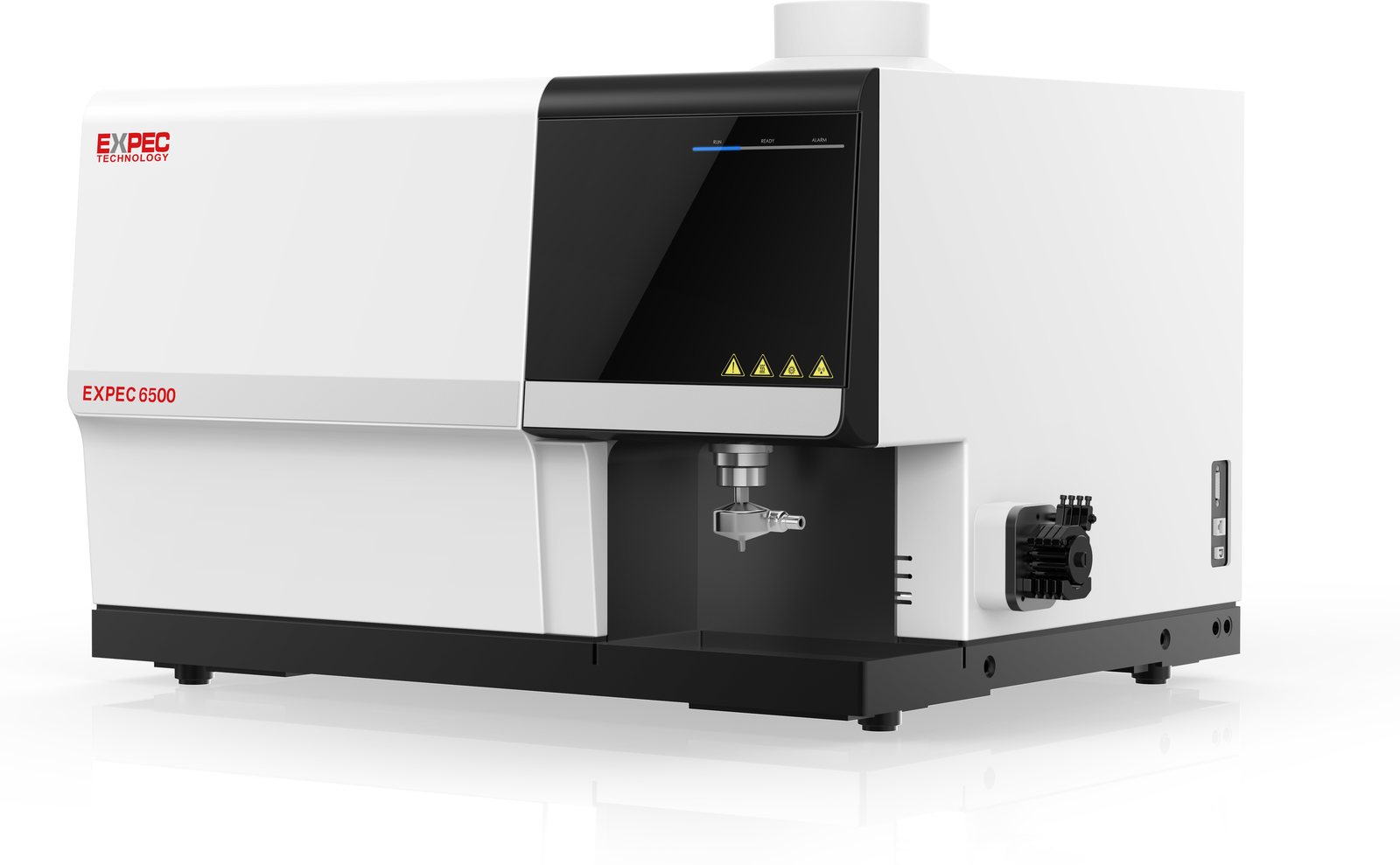
EXPEC 6500 ICP-OES · main unit, front view · SKU PRO6868
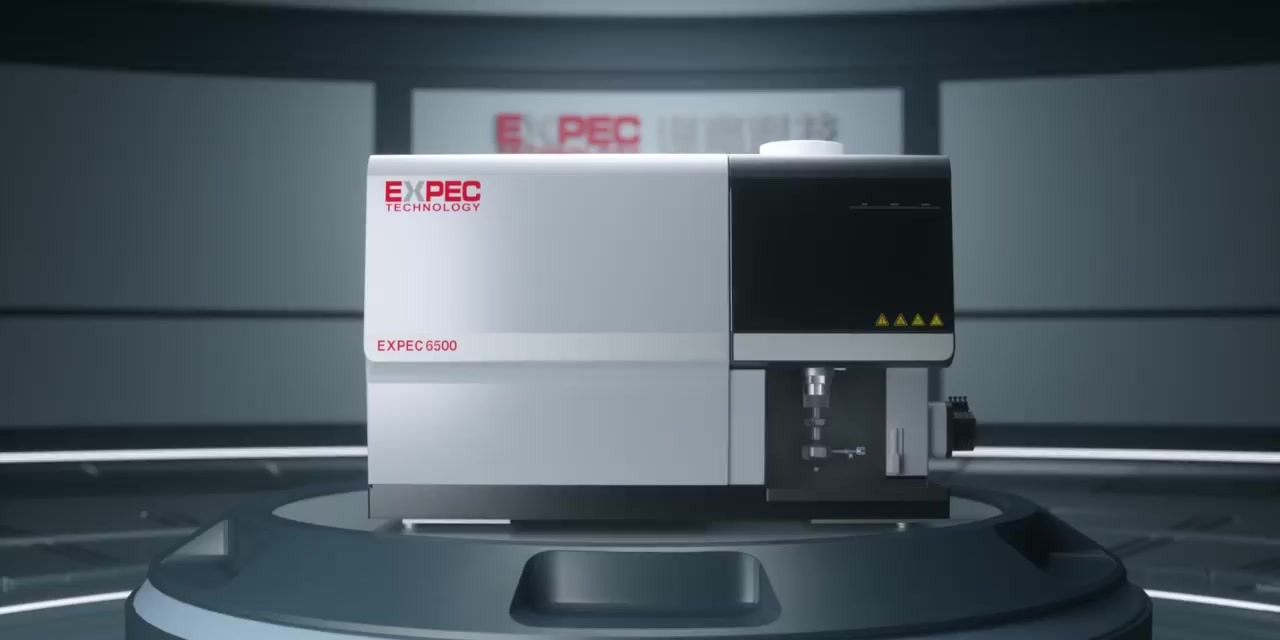
► Watch the EXPEC 6500 video (1:14) · plasma, dual-view optics and sample introduction
EU distributionCOLO.Science
EXPEC 6500D ICP-OES
EXPEC 6500D ICP-OES
Address / HQPolje ob Sotli 4
SI-3255, Slovenia
SI-3255, Slovenia
Contactsales@colo.si
+386 70 713 437
+386 70 713 437
Page 1 / 11
EXPEC 6500 ICP-OES · Technical SpecificationProduct overviewOne instrument for trace, minor and major elements – without re-dilution and without a second method
Wavelength165–900 nmFull coverage, one exposure
Detector1024 × 1024ECCD, 24 µm pixels, 1 inch²
Speed72 el. / ~10 s~200 spectral lines per minute
Stability≤ 1 % RSD8 hours, 1–10 mg/L mix
RF power500–1600 WSelf-excited, solid state
Argon standby≤ 5 L/miniStandby at 500 W, −50 %
Application profile
Environment: drinking, surface and waste water, soil and sediment digests, sludge – trace metals next to Na, K, Ca, Mg at high levels.
Metals and alloys: ferroalloys (FeSi, FeSiMg, CaSi), steels, non-ferrous metals and precious-metal refining control.
Geology and mining: ores, concentrates, coal and ash, rare-earth elements after fusion or acid digestion.
Petrochemistry: wear metals and additives in oils, fuels and solvents with the organic introduction kit.
Food, feed and agriculture: nutrients and contaminants in food, fertilisers, plant material and feed.
Industry and research: chemicals, batteries, catalysts, pharmaceuticals (21 CFR Part 11) and university teaching.
Why laboratories choose the 6500
Wide concentration span in one run: intelligent attenuation handles samples across a 100× range without re-dilution.
Robust plasma for difficult matrices: vertical torch against salt build-up, self-excited RF that keeps the plasma on organic solvents.
Lower running cost: iStandby halves argon between batches; the demountable torch needs only a new centre tube per application.
Traceable data: full spectrum stored with every sample, audit trail and electronic signature for regulated work.
| Feature | EXPEC 6500 | What it means for your laboratory |
|---|---|---|
| Observation | Axial, radial, dual, simultaneous dual | Axial sensitivity for traces, radial robustness for matrix elements |
| Detector | 1 million pixels, single exposure | Full spectrum per sample – re-process later, check interferences |
| Wavelength range | 165–900 nm | Al 167 nm, P, S, Cl/Br region in the deep UV, K and Li lines in the red |
| RF power | 500–1600 W, 1 W steps | Stable plasma from aqueous to high-solvent samples |
| Wavelength calibration | C, N, Ar lines + Ne reference (FSC) | No calibration solution at start-up, real-time drift correction |
| Purge | Argon, no vacuum pump | No pump oil in the optics, less maintenance |
Values from the manufacturer technical specification and brochure of the EXPEC 6500 series. Detection limits, speed and stability depend on configuration, method and matrix; the quotation lists the configuration that applies to your delivery.
Page 2 / 11
EXPEC 6500 ICP-OES · Technical SpecificationInside the instrumentSeven subsystems engineered for stability – from the argon inlet to the detector pixel
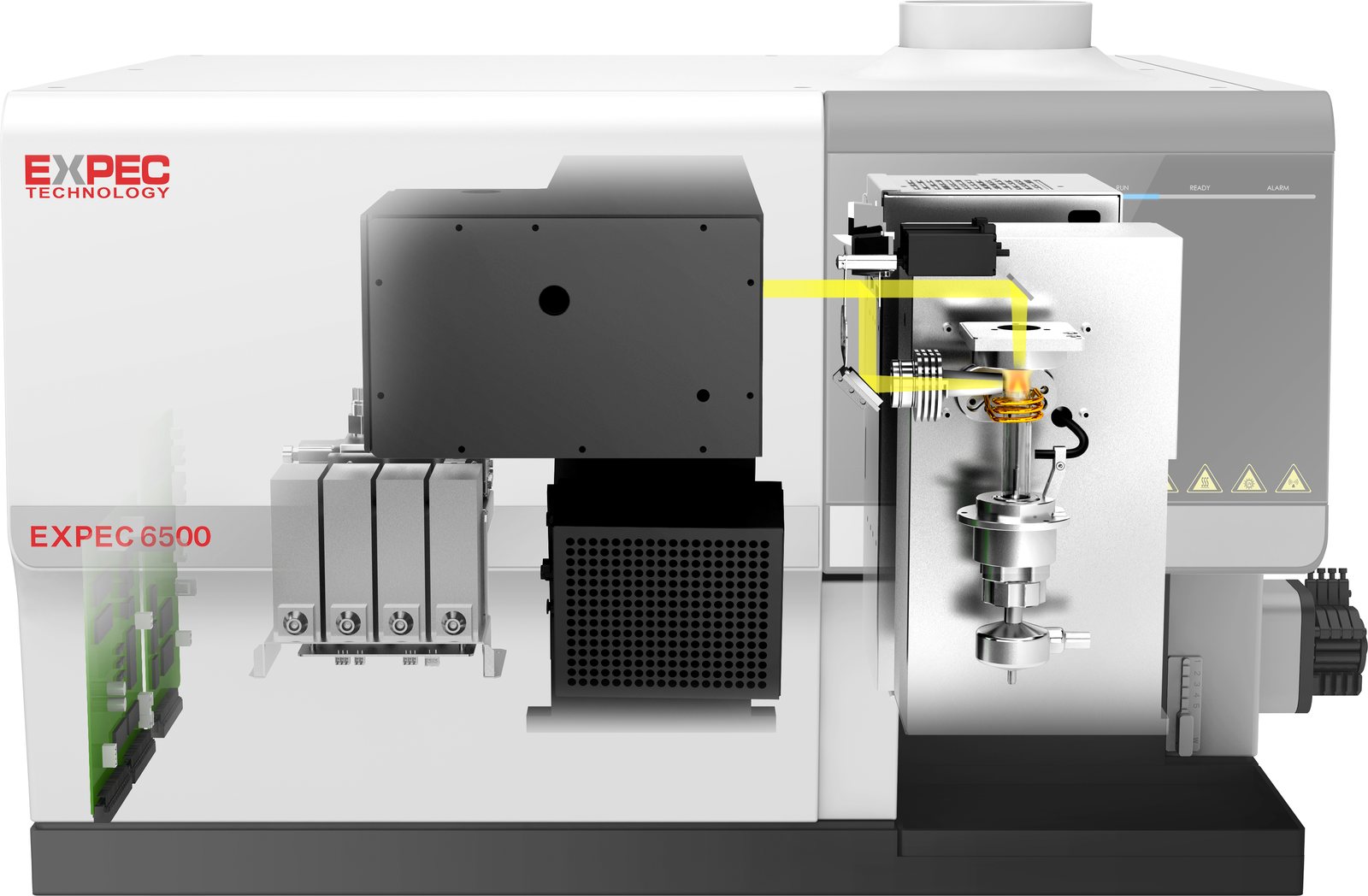 1234567
1Thermostatic optical chamber. Echelle grating 87 L/mm with quartz prism, 380 mm focal length, held at 36 ± 0.1 °C and thermally isolated from the main body.
2Dual-view transfer optics. Axial and radial light is switched or combined by the motorised mirror; radial observation height is adjustable per element.
3Vertical torch and load coil. Demountable quartz torch, 27.12 MHz induction, metal cooled cone removes the tail flame in axial view – no shear gas or compressor.
4Sample introduction. Quartz concentric nebulizer, cyclonic spray chamber; HF, high-salt and organic kits interchangeable.
5Multi-channel mass-flow control. Plasma, auxiliary and nebulizer argon plus two expansion channels (Ar dilution, O2), 0.01 L/min resolution.
612-roller, 4-channel peristaltic pump. 0–125 rpm, sample, internal standard, drain and reagent at the same time.
7Digital control electronics. Instrument status, remote diagnostics and the network link to the software.
Designed for long, unattended runs
Thermal design verified by temperature-gradient and airflow simulation; the optics do not follow room temperature swings.
No moving parts in the RF generator and in the echelle optics – resistant to vibration, also suitable for mobile (vehicle) laboratories.
Page 3 / 11
EXPEC 6500 ICP-OES · Technical SpecificationPlasma, RF generator and sample introductionA plasma that stays stable from clean water to 100 % toluene and high-salt digests
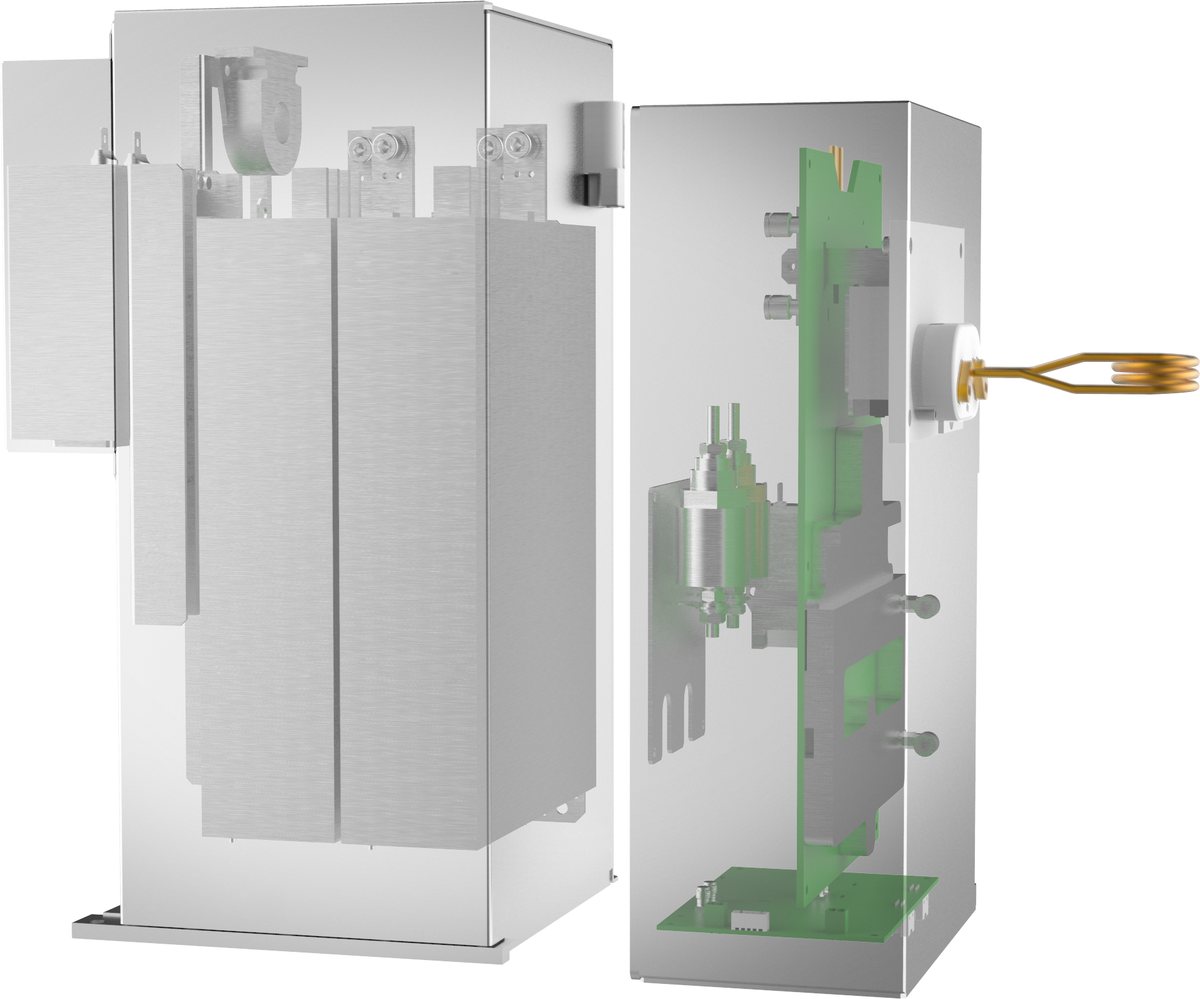
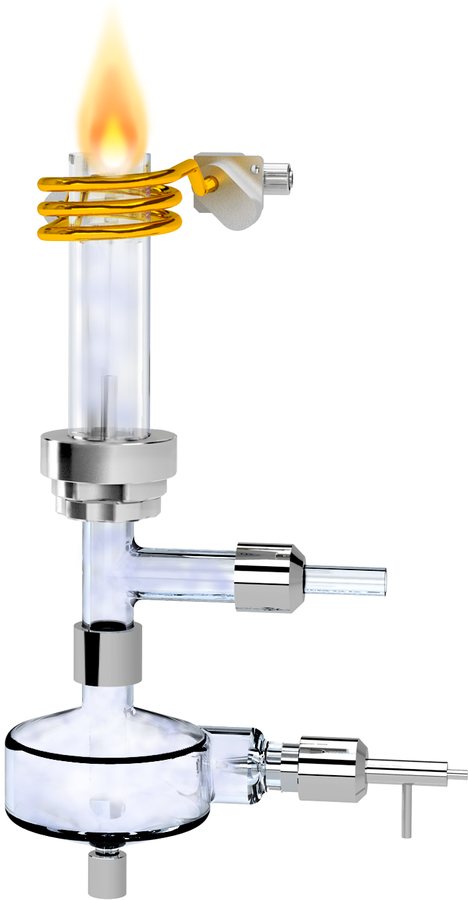
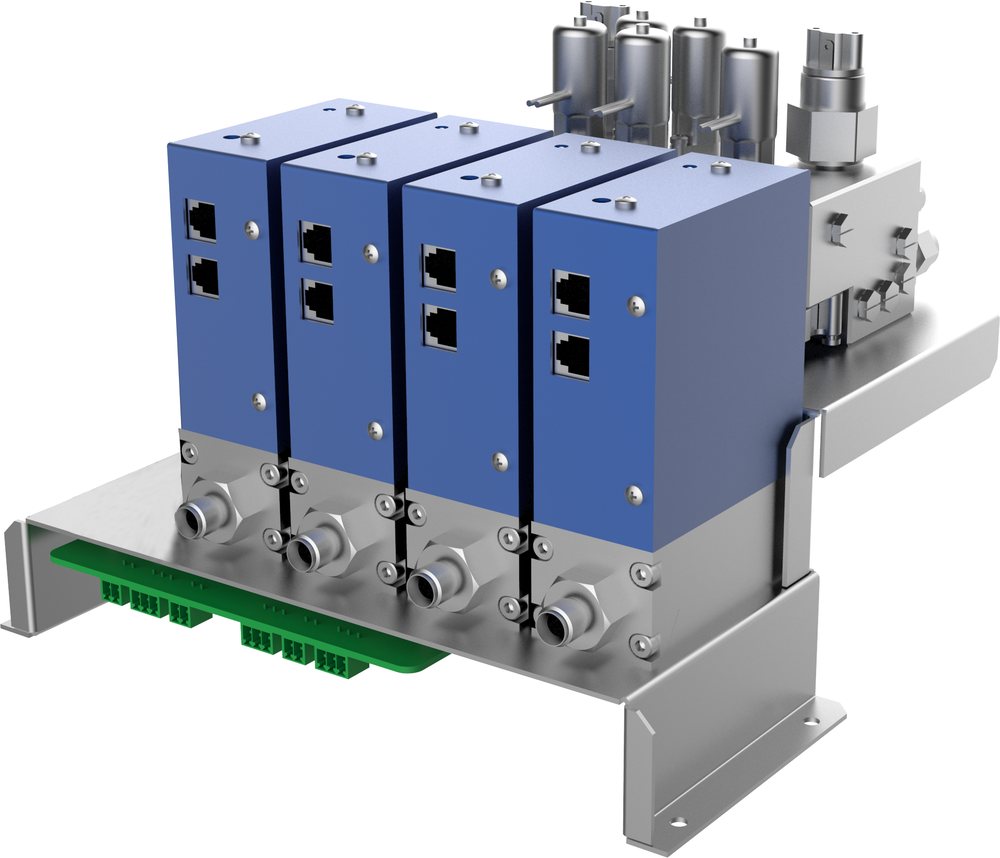
RF generator
500–1600 W, fully digital dual-supply control, adjustable in 1 W steps – a wider range than most instruments in this class.
Self-excited, 27.12 MHz, coupling efficiency > 80 %; fast matching keeps the plasma on when organic samples or even air enter the torch.
Power stability ≤ 0.1 %, frequency stability ≤ 0.01 %, water-cooled, no moving parts.
iStandby: 500 W standby with ≤ 5 L/min argon, analysis-ready in < 5 minutes – no cold restarts between batches.
Vertical torch, dual view
Vertical torch prevents salt deposits, extends torch life and reduces consumables.
Axial view for lowest detection limits; the metal cooled cone removes the cool tail flame without a compressor.
Radial view avoids matrix interference; the observation height is adjustable to the emission zone of each element.
Intelligent attenuation in both views: concentrations up to 100× apart in one measurement.
Demountable torch: self-aligning mount; only the centre tube (0.75 / 1.5 / 2.0 / 3.0 mm) is changed per application.
Gas and liquid handling
Mass-flow control of plasma, auxiliary and nebulizer argon, 0.01 L/min resolution; up to 5 channels.
Argon on-line dilution (option): MFC-controlled aerosol dilution for samples above 10 % dissolved salts – no manual dilution.
Peristaltic pump: 12 rollers, 4 channels, 0–125 rpm, low pulsation; internal standard added on-line.
Standard kit: quartz concentric nebulizer, quartz cyclonic spray chamber, vertical quartz torch, connecting tube and 2.0 mm centre tube.
Typical argon use: approx. 13.7 L/min in analysis (12 + 1 + 0.7 L/min).
Argon consumption in analysis is a typical value from EXPEC application methods (RF 1150 W). Your method settings determine the actual consumption.
Page 4 / 11
EXPEC 6500 ICP-OES · Technical SpecificationOptical system and ECCD detectorThe complete spectrum from 165 to 900 nm in one exposure, corrected in real time
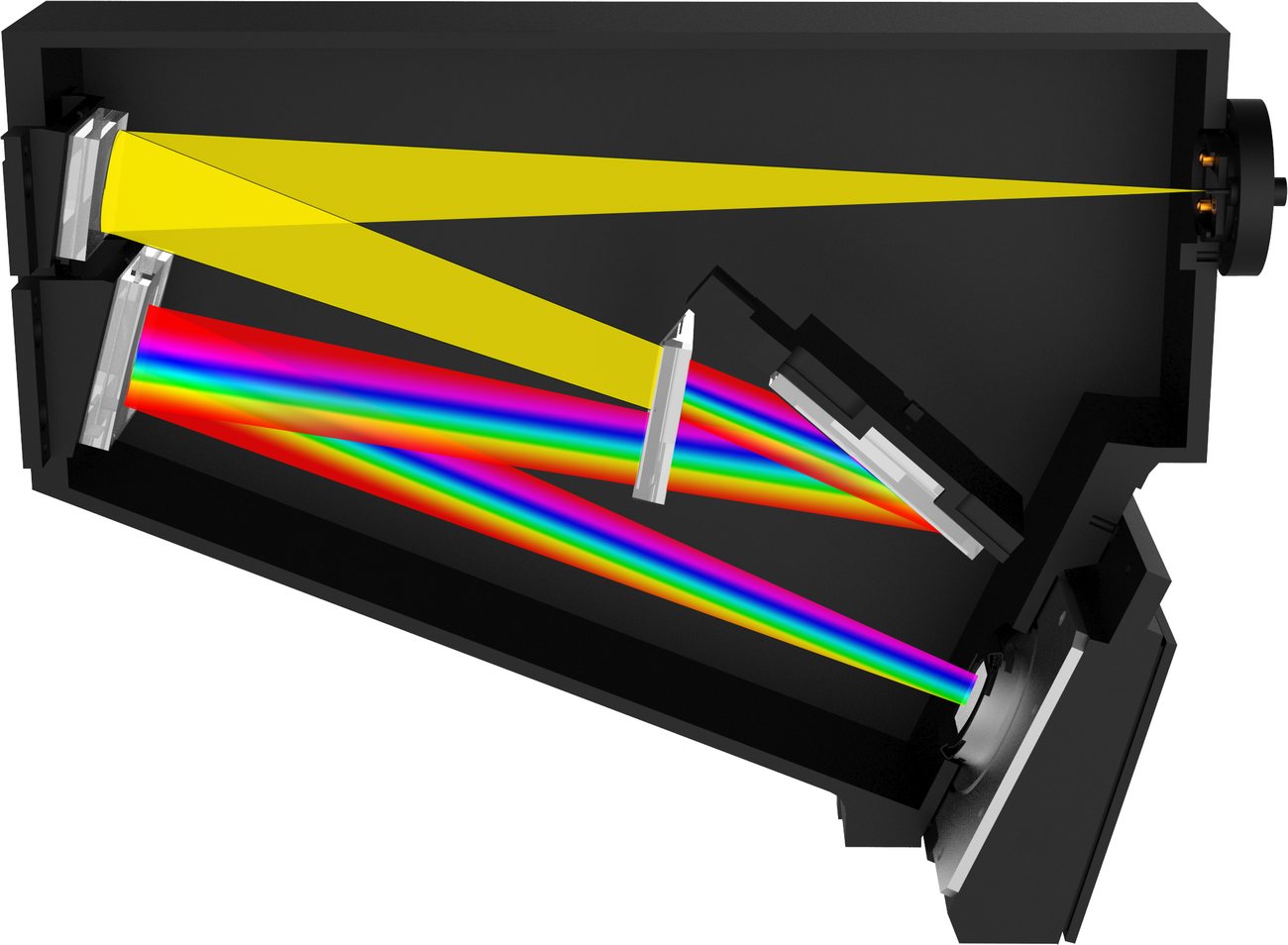
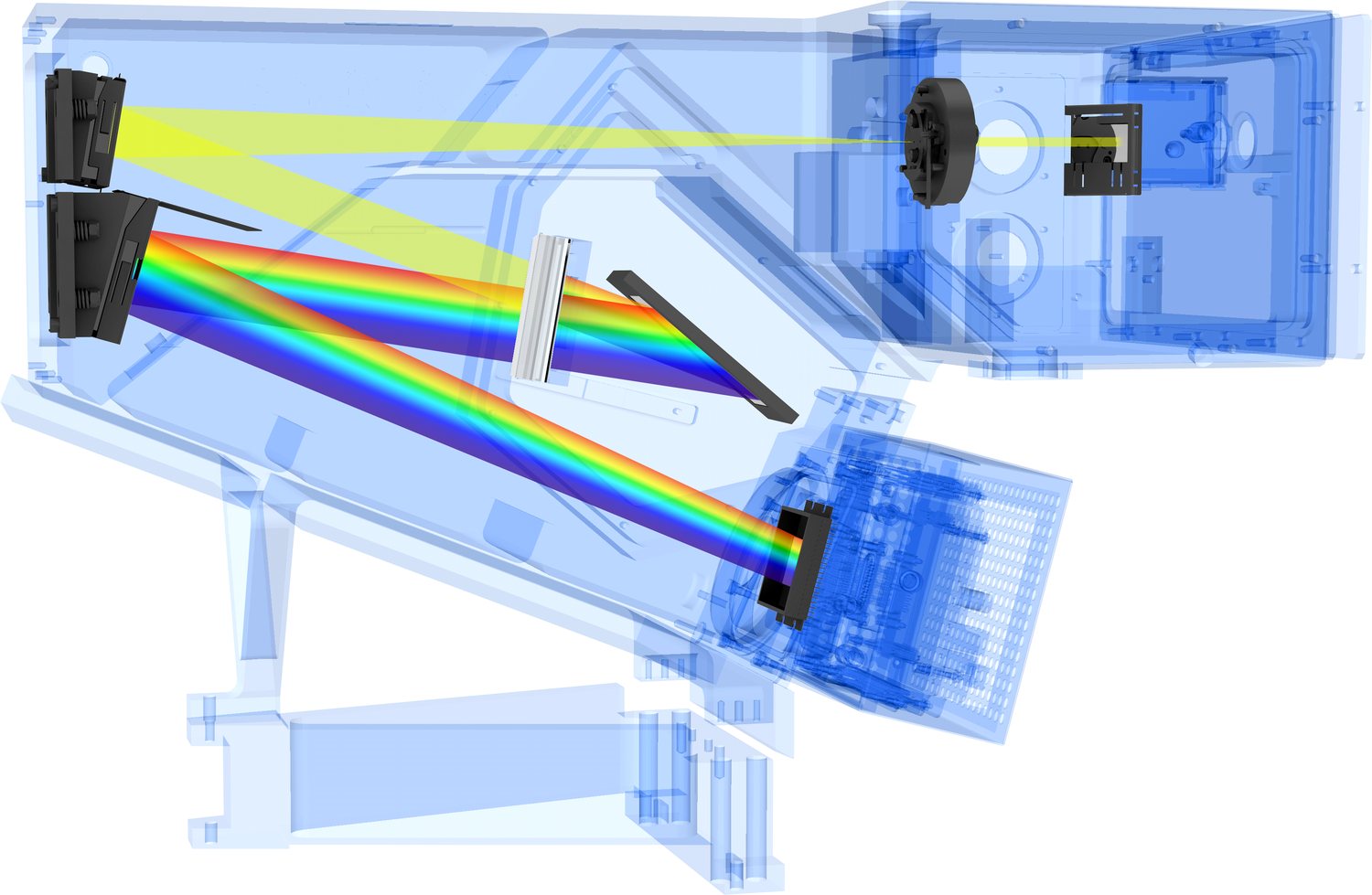
Echelle optics
Fixed echelle system with no moving parts: 87 L/mm grating, 63.5° blaze, quartz prism cross-dispersion, 380 mm focal length.
Resolution ≤ 7 pm at 200 nm (FWHM) – separates line-rich matrices such as Fe, W and rare earths.
Stray light ≤ 2.0 mg/L (10 000 mg/L Ca, measured at As 188.980 nm).
Thermostatted at 36 ± 0.1 °C, sealed and thermally isolated; few reflections for high UV throughput.
Wavelength calibration without solutions: C, N and Ar lines at every ignition; the patented FSC system uses a neon reference line for real-time drift correction.
Deep-UV purge with argon below 189 nm – distributed purge design, no vacuum pump and no pump oil.
ECCD detector
1024 × 1024 pixels (≈ 1 million) on a 25.4 × 25.4 mm area; 24 × 24 µm pixels for high sensitivity.
Single exposure captures all lines – up to 72 elements in about 10 s, full spectrum stored with every result.
Pixel-level TEC cooling inside the sensor: no condensation, no gas purge, ready shortly after power-on.
Anti-blooming on every pixel: strong lines, including Ar lines at 800–900 nm, do not spill into neighbouring lines.
Intelligent integration: exposure time set per line from its intensity, microsecond control – bright and weak lines at best signal-to-noise in the same run.
No phosphor coating on the sensor – no UV-response loss from coating ageing.
Page 5 / 11
EXPEC 6500 ICP-OES · Technical SpecificationDetection limits and analytical performance65 elements measured in axial and radial view · instrument detection limits in µg/L
Precision≤ 0.5 % RSD10 replicates, 1–10 mg/L
8 h stability≤ 1 % RSDno recalibration
Internal standard< 0.1 % RSDtwin internal standard method
Linear range≥ 105Mn 257.6 nm, r ≥ 0.999
Sample volume~2 mLper multi-element analysis
Line library> 50 000≥ 30 pixels per line
| El. | Line, nm | Axial | Radial |
|---|---|---|---|
| Li | 670.784 | 0.08 | 3.5 |
| Be | 313.042 | 0.06 | 0.16 |
| B | 249.773 | 2 | 3.6 |
| Na | 589.592 | 0.83 | 16 |
| Mg | 279.553 | 0.02 | 0.1 |
| Al | 167.079 | 0.65 | 5 |
| Si | 251.611 | 1.38 | 8 |
| P | 177.495 | 6.89 | 40 |
| S | 180.731 | 6.5 | 60 |
| K | 766.490 | 2.01 | 25 |
| Ca | 396.847 | 0.04 | 0.4 |
| Sc | 361.384 | 0.64 | 0.38 |
| Ti | 334.941 | 0.31 | 1.75 |
| V | 309.311 | 1 | 3.2 |
| Cr | 267.716 | 0.47 | 2.5 |
| Mn | 257.610 | 0.06 | 0.5 |
| Fe | 238.204 | 0.62 | 3 |
| Co | 228.616 | 0.99 | 5.5 |
| Ni | 221.647 | 0.79 | 5 |
| Cu | 324.754 | 0.8 | 2.5 |
| Zn | 213.856 | 0.34 | 2 |
| Ga | 294.364 | 5.6 | 25 |
| El. | Line, nm | Axial | Radial |
|---|---|---|---|
| Ge | 265.118 | 3.55 | 20 |
| As | 189.042 | 9.42 | 67 |
| Se | 196.090 | 10.5 | 100 |
| Sr | 421.552 | 0.04 | 0.2 |
| Y | 371.030 | 0.25 | 1.2 |
| Zr | 339.168 | 0.75 | 2 |
| Nb | 309.418 | 1.38 | 5.5 |
| Mo | 281.615 | 2.2 | 6.6 |
| Ru | 267.876 | 2.36 | 9.7 |
| Rh | 343.490 | 3.8 | 28 |
| Pd | 340.458 | 2.66 | 16 |
| Ag | 328.068 | 4.18 | 4 |
| Cd | 214.438 | 0.44 | 2 |
| In | 325.609 | 11.72 | 62 |
| Sn | 189.989 | 7 | 18 |
| Sb | 231.147 | 1.85 | 9.5 |
| I | 178.276 | 7 | 80 |
| Ba | 455.403 | 0.04 | 0.25 |
| La | 333.749 | 1.58 | 8.5 |
| Pr | 414.311 | 4.1 | 13.5 |
| Nd | 401.225 | 4.25 | 18 |
| Sm | 359.260 | 5.66 | 21 |
| El. | Line, nm | Axial | Radial |
|---|---|---|---|
| Eu | 420.505 | 0.49 | 2.5 |
| Gd | 342.247 | 1.95 | 11.5 |
| Tb | 350.917 | 4.15 | 24 |
| Dy | 353.170 | 1.04 | 6.5 |
| Ho | 345.600 | 1.16 | 7.5 |
| Er | 337.271 | 1.4 | 11.5 |
| Tm | 313.126 | 1.27 | 8 |
| Yb | 328.937 | 0.12 | 0.9 |
| Lu | 261.542 | 0.16 | 0.85 |
| Hf | 277.336 | 1.77 | 8 |
| Ta | 240.063 | 2.44 | 13 |
| W | 239.709 | 3.5 | 26 |
| Re | 221.426 | 1.6 | 12 |
| Pt | 214.423 | 5.8 | 36 |
| Au | 242.795 | 1.19 | 6 |
| Hg | 184.950 | 3.5 | 24 |
| Tl | 190.856 | 11.5 | 90 |
| Pb | 220.353 | 5.5 | 40 |
| Bi | 223.061 | 13.85 | 74 |
| Th | 283.730 | 2.6 | 24 |
| U | 385.958 | 11.32 | 105 |
How to read the table: instrument detection limits in µg/L, measured by EXPEC on the 6500 in axial and radial view with the standard quartz introduction system and optimised lines. Method detection limits in real samples are higher and depend on digestion, dilution and matrix. Axial view gives typically 3–20× lower limits; radial view is preferred for high-matrix samples and major elements. Deep-UV lines down to 165 nm also allow Cl and Br determination with dedicated methods.
Page 6 / 11
EXPEC 6500 ICP-OES · Technical SpecificationEXPEC 6500D or 6500R – choosing the configurationSame platform, optics, detector and software · the observation system matches your samples
EXPEC 6500D · dual view
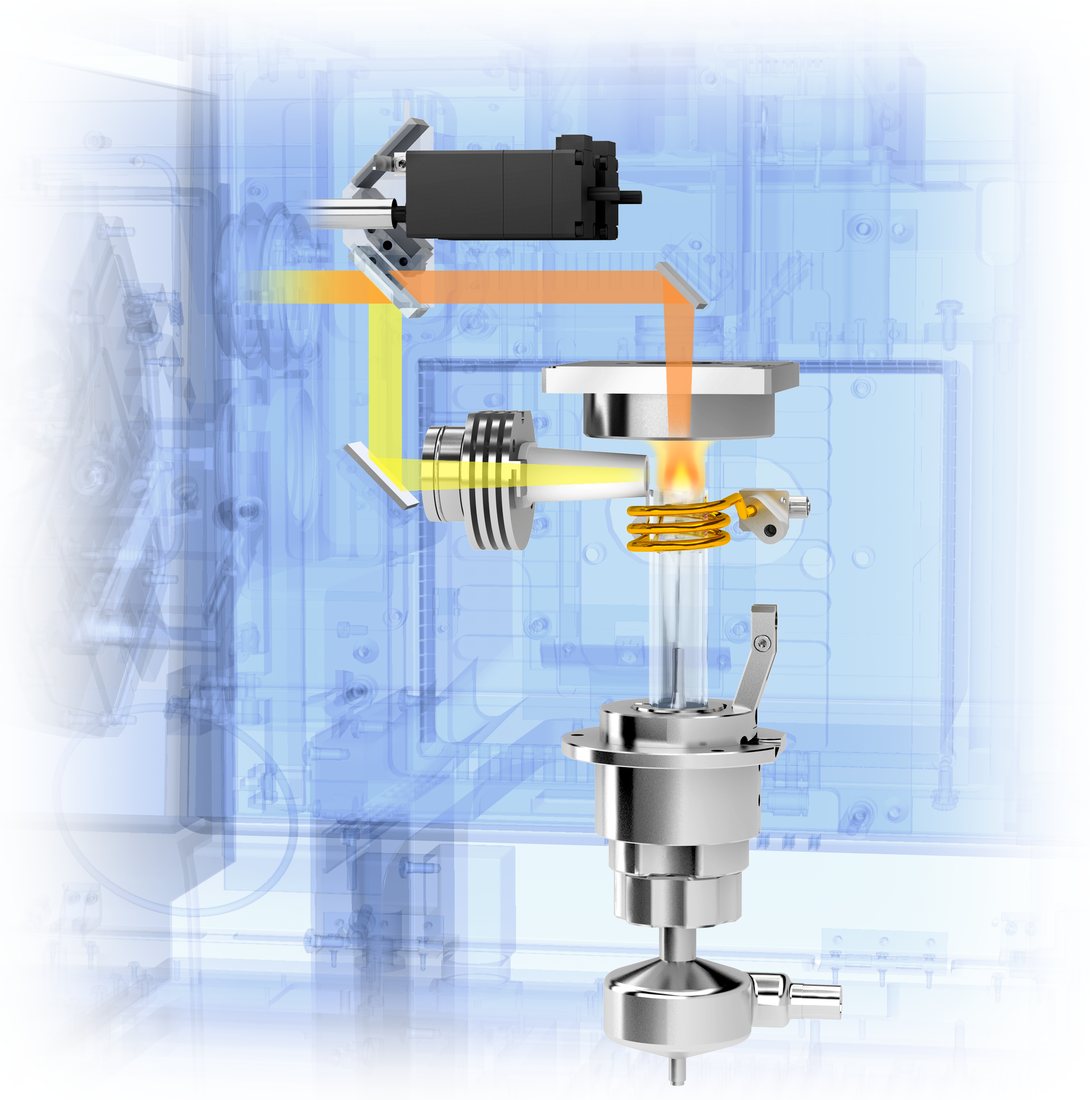
Axial + radial light paths, switched or combined in one method.
Best for: the widest range of samples and the lowest detection limits – water, environment, food, pharma, research and contract laboratories.
SKU: PRO6868
EXPEC 6500R · radial view
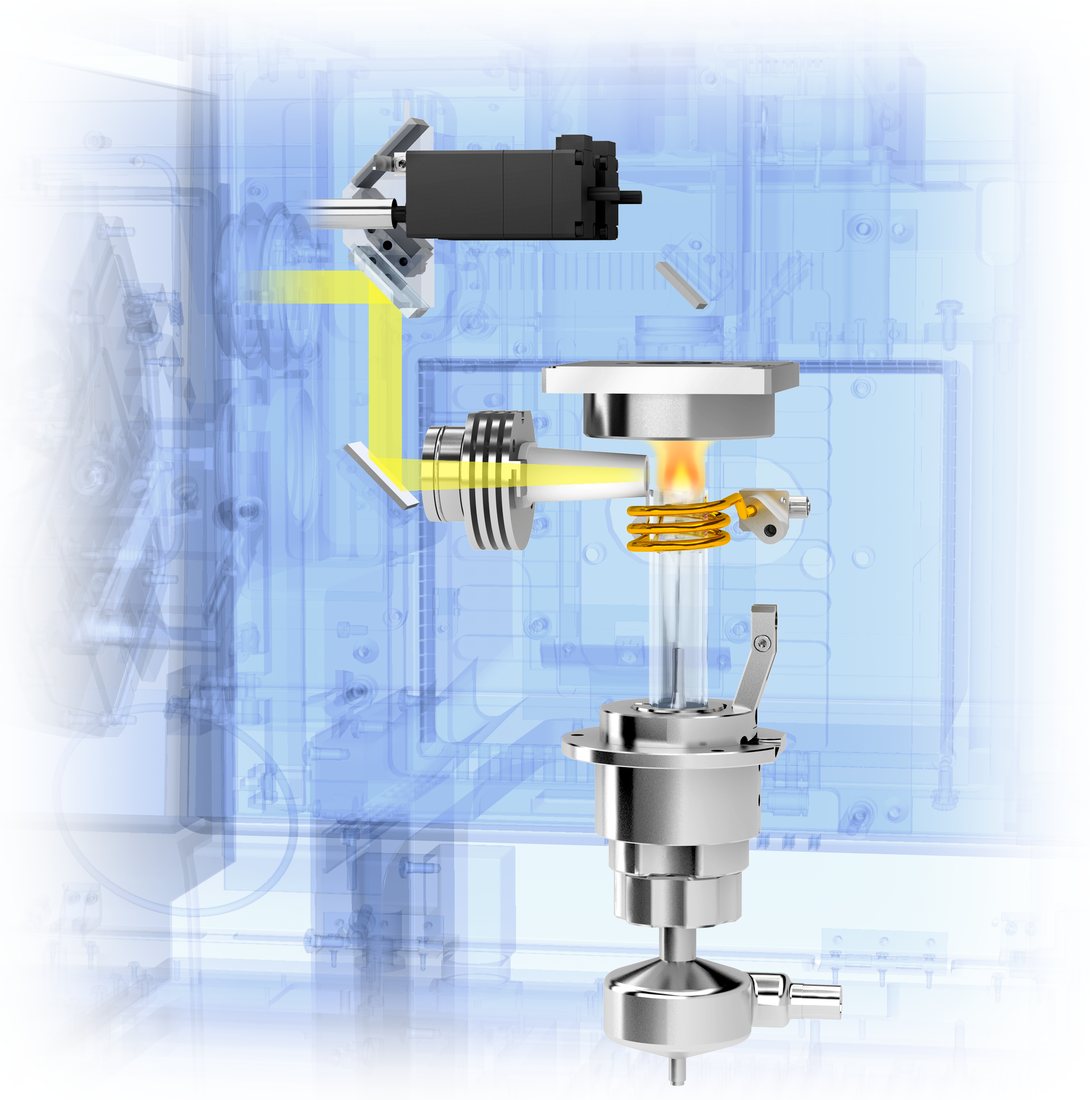
Radial light path, observation height adjustable per element.
Best for: complex, high-matrix samples – metals and alloys, oil products, geological and mineral samples, where elements are at mg/L to % level.
Availability: on request
| Your requirement | 6500D | 6500R |
|---|---|---|
| Trace elements below 10 µg/L (drinking water, food) | ✔ recommended | – |
| Environmental methods (EN ISO 11885 type) | ✔ recommended | ✔ |
| Traces and majors in the same run | ✔ dual view | ✔ attenuation |
| Alloys, steels, ferroalloys, slags | ✔ | ✔ recommended |
| Ores, geology, fusion digests | ✔ | ✔ recommended |
| Oils and organic solvents (TC-100 kit) | ✔ | ✔ recommended |
| Mixed laboratory, many sample types | ✔ recommended | – |
Application evidence from the EXPEC ICP-OES platform
Coal (6500, axial): 16 elements after ashing and HF digestion – RSD 0.04–7.37 %, recovery 95.4–107.6 %.
Ferrosilicon (radial): Cr, Cu, Mn, Ni, P, Ti with matrix-matched calibration; certified reference materials confirmed.
Soil and sediment: aqua regia, hot-plate and microwave digestion, As and Hg by hydride generation – recovery 91.5–98.3 %.
Iron, manganese and lead ores: major and minor elements on the radial platform with CRM verification.
Not sure which one? Send us samples.
COLO.Science arranges a test measurement on your samples before the offer. Fill in the sample list (matrix, elements, expected concentrations, number of samples per day) and we propose the configuration with the results.
Application results come from EXPEC application notes on the 6500 and on the previous 6000 series, which uses the same measurement principle. Results on the 6500 with your configuration are confirmed by the test measurement.
Page 7 / 11
EXPEC 6500 ICP-OES · Technical SpecificationComplete technical parametersEXPEC 6500D ICP-OES · values for the standard configuration
| RF generator and plasma | |
| RF generator | Self-excited, all-solid-state, dual power supply, fully digital control, automatic tuning, water-cooled |
| Frequency / coupling | 27.12 MHz / coupling efficiency > 80 % |
| RF power | 500–1600 W, continuously adjustable |
| Power / RF stability | ≤ 0.1 % / ≤ 0.01 % |
| Standby (iStandby) | 500 W, argon ≤ 5 L/min (−50 % and more) |
| Warm-up | < 5 min from standby to analysis-ready plasma |
| Torch | Vertical, demountable quartz torch, self-aligning; centre tubes 0.75 / 1.5 / 2.0 / 3.0 mm |
| Observation modes | Axial, radial, dual and simultaneous dual view (6500D); radial (6500R) |
| Tail flame removal | Metal cooled cone (axial) – no compressed air required |
| Attenuation | Axial and radial attenuation, concentration span up to 100× |
| Sample introduction | |
| Standard | Quartz concentric nebulizer, quartz cyclonic spray chamber, vertical torch |
| Peristaltic pump | 12 rollers, 4 channels, 0–125 rpm, continuously adjustable |
| Gas control | Mass-flow controllers, up to 5 channels (plasma, auxiliary, nebulizer, Ar / O2), 0.01 L/min |
| Options | Argon on-line dilution (> 10 % salts), HF-resistant, high-salt, organic (TC-100), hydride generator HG-5000, rapid sampling valve, autosampler SA-240 |
| Environment and installation | |
| Power supply | 220 V AC ± 10 %, 50 Hz, separate 40 A circuit, instrument < 4.5 kW |
| Room | 10–30 °C (± 2 °C in 3 h), 20–80 % RH, exhaust 8–12 m/s |
| Argon | ≥ 99.999 %, 0.6–0.8 MPa |
| Dimensions / weight | 930 × 700 × 560 mm (W × D × H) / approx. 100 kg |
| Optical system | |
| Design | Fixed echelle, two-dimensional dispersion (quartz prism), no moving parts |
| Wavelength range | 165–900 nm, continuous coverage |
| Focal length | 380 mm, total-reflection imaging |
| Echelle grating | 87 L/mm, blaze angle 63.5° |
| Resolution (FWHM) | ≤ 7 pm at 200 nm |
| Stray light | ≤ 2.0 mg/L (10 000 mg/L Ca at As 188.980 nm) |
| Optical chamber | Thermostatted 36 ± 0.1 °C, sealed, thermally isolated |
| Wavelength calibration | C, N, Ar lines at ignition; patented FSC real-time correction with Ne line |
| UV purge | Argon below 189 nm, no vacuum pump |
| Detector | |
| Type | Large-area ECCD, 1024 × 1024 pixels, single exposure |
| Sensor area / pixel | 25.4 × 25.4 mm / 24 × 24 µm |
| Cooling | Pixel-level TEC inside the sensor, no purge gas |
| Overflow protection | Anti-blooming drain on every pixel |
| Integration | Intelligent integration, exposure per line, µs control |
| Analytical performance | |
| Speed | ~200 spectral lines/min; up to 72 elements in ~10 s |
| Precision / stability | ≤ 0.5 % RSD (n = 10) / ≤ 1 % RSD over 8 h |
| Linear dynamic range | ≥ 105 (Mn 257.610 nm, r ≥ 0.999) |
| Detection limits (µg/L) | Zn 213.856: 0.5 · Ni 231.604: 1 · Mn 257.610: 0.5 · Cr 267.716: 1 · Cu 324.754: 1 · Ba 455.403: 0.1 (acceptance values, JJG 768-2005) |
Page 8 / 11
EXPEC 6500 ICP-OES · Technical SpecificationConfiguration, options and softwareStart with the standard system and add what your samples need
Standard delivery
EXPEC 6500D main unit with dual-view vertical torch, RF generator, optics, ECCD detector and MFC gas control.
Standard sample introduction: quartz concentric nebulizer, quartz cyclonic spray chamber, vertical quartz torch, connecting tube, 2.0 mm centre tube.
Installation kit: argon regulator and hoses, exhaust hose, drain and pump tubing, tools.
EXPEC ICP-OES software (English), method library and remote-service assistant.
Required for operation
CW-200 recirculating chiller: cooling capacity 2.1 kW, 5–35 °C, ± 0.1 °C, 10 L tank, 2000 L/h pump, 560 × 440 × 680 mm.
PC (Windows 10/11 Pro, i3 or better, 8 GB RAM, 500 GB, 22" monitor) – supplied by COLO.Science or by the customer.
Recommended: UPS or voltage stabiliser 10 kVA, single-phase.
Software and compliance
Qualitative, semi-quantitative, quantitative analysis on any line; full-spectrum storage and re-processing.
Interference correction: background correction in real time, internal standard, IEC, standard addition.
21 CFR Part 11 design: three user levels, electronic signature, audit trail; IQ/OQ/PQ qualification document set.
Remote diagnostics over the network; automation interfaces for digestion, on-line and ion-exchange systems.
Recommended first-year consumables kit
Spare vertical quartz torch and centre tubes (1.5 / 2.0 mm) · concentric nebulizer · cyclonic spray chamber
Pump tubing set (sample, drain, internal standard) · O-ring set · argon filter · RF load coil
Autosampler tubes and racks (with SA-240) · optical dust-protection window
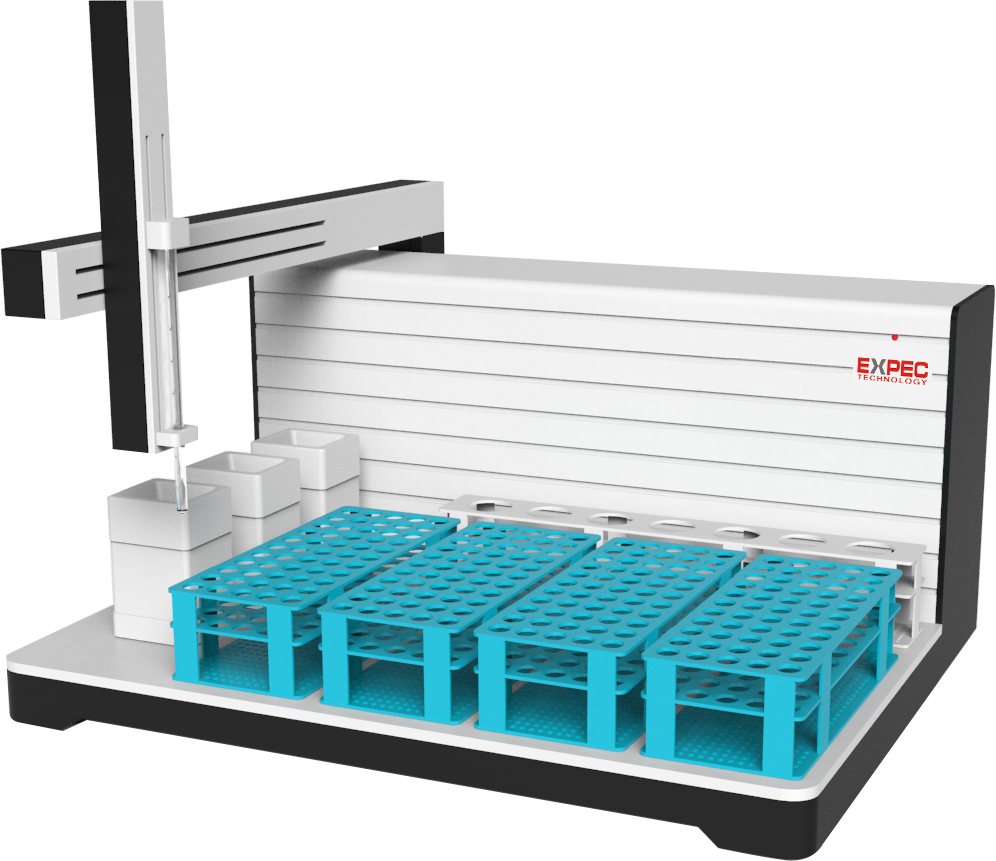
SA-240 autosamplerUp to 240 positions on 4 racks (15 mL) or 84 × 50 mL; 10-position standards rack; rinse station; controlled from the ICP software.Unattended overnight runs
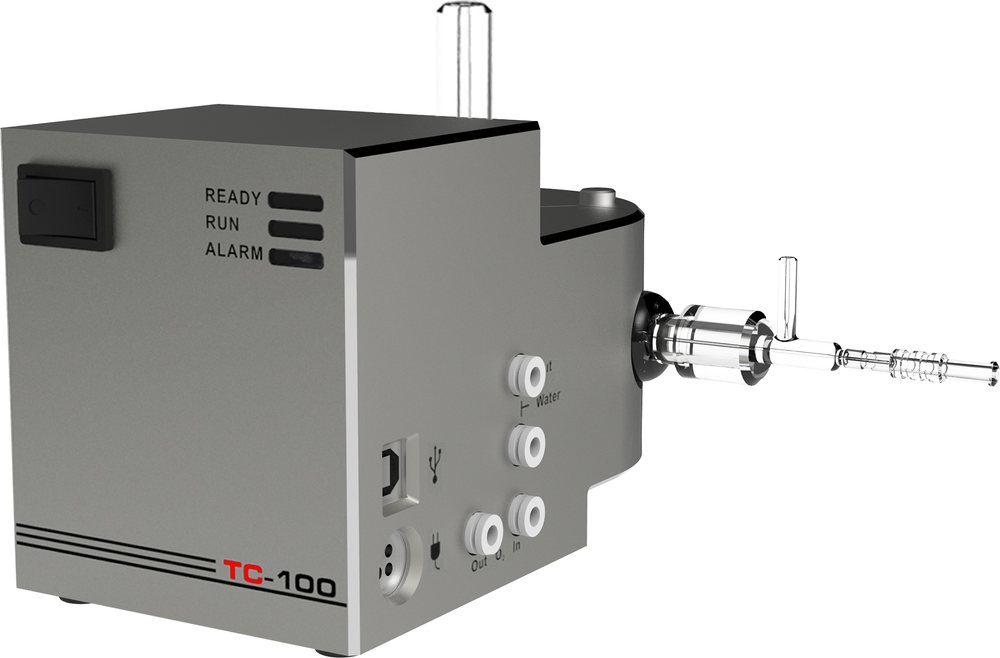
TC-100 organic introduction systemSpray chamber cooled from −15 to +10 °C (± 0.1 °C), O2 addition 0–100 mL/min – oils, fuels and solvents without carbon build-up.Petrochemistry, lubricants, solvents
HG
HG-5000 hydride generatorOn-line hydride generation for As, Se, Sb, Bi, Sn and cold vapour Hg – about 10× lower detection limits for these elements.Drinking water, soil, food
HF
HF-resistant introduction systemInert nebulizer, spray chamber and centre tube for digests containing hydrofluoric acid.Silicates, geology, ferroalloys
NaCl
High-salt kit and argon on-line dilutionHigh-TDS nebulizer plus MFC-controlled aerosol dilution for samples with more than 10 % dissolved solids.Brines, fusion digests, fertilisers
⏱
Rapid sampling systemValve-based fast introduction that shortens uptake and rinse time for high sample loads.High-throughput routine laboratories
Spare parts and consumables (torches, centre tubes, nebulizers, pump tubing, cones, RF coil) are kept in stock by COLO.Science. The quotation lists the delivered configuration and options.
Page 9 / 11
EXPEC 6500 ICP-OES · Technical SpecificationSite requirements and installationPrepare the room once – COLO.Science checks it with you before delivery
Installation path with COLO.Science
1. Site check: we send the checklist and review photos of bench, exhaust, power and gas.
2. Installation and IQ/OQ: on-site installation by our engineer, performance test against the specification, signed protocol.
3. Training and methods: operator training on your samples, method set-up and PQ support for accredited laboratories.
| Item | Requirement |
|---|---|
| Room | Dedicated laboratory ≥ 10 m², door ≥ 800 mm, no corrosive or flammable gases; air conditioning 10–30 °C, variation < 2 °C in 3 h, outlet not directed at the instrument |
| Humidity | 20–80 % RH (below 60 % recommended); dehumidifier in humid seasons |
| Bench | Stable bench ≥ 2000 × 800 mm, load ≥ 200 kg, 500 mm service access behind the bench |
| Exhaust | Duct Ø 110 mm, outlet 1.2–1.5 m above the instrument, air speed 8–12 m/s, adjustable damper; condensate protection |
| Power | Separate circuit 220 V ± 10 %, 50 Hz, breaker ≥ 40 A, cable ≥ 6 mm², no RCD on the instrument line; neutral-earth voltage < 5 V; one 16 A and four 10 A sockets |
| Earthing | Dedicated protective earth for the instrument |
| Argon | Purity ≥ 99.999 %, 0.6–0.8 MPa, 6 mm OD line (5 m hose supplied); approx. 4 h per 40 L cylinder – a bundle or liquid argon is recommended for routine use |
| Cooling | Chiller in a ventilated place ≤ 25 °C; 5 m water hoses supplied; third-party chillers: 18–25 °C, 0.2–0.4 MPa |
| Water and reagents | Deionised water 18.2 MΩ·cm, high-purity nitric acid, standards for your elements |
| Installation standard | Multi-element standard solution for the acceptance test is provided by COLO.Science |
Electrical protection (RCD type and rating) is agreed with your electrician according to local regulations; COLO.Science provides the manufacturer data for this decision.
Page 10 / 11
EXPEC 6500 ICP-OES · Technical SpecificationDelivery, training and serviceOne partner from the first sample test to routine operation – EXPEC distribution for the European Union
1Delivery
Application check first: consultation and test measurement on your samples, configuration confirmed before the quotation.
Site preparation: checklist, review of bench, exhaust, power and argon before shipment.
Delivered to your laboratory in the EU: transport, insurance and import handled by COLO.Science.
Indicative delivery time: approx. 30 days from order, depending on the time of ordering; the binding date is confirmed with the pro-forma invoice.
Installation by our engineer: unpacking, set-up, chiller and gas connection, software on your PC.
IQ/OQ and acceptance test against this specification, with a signed protocol.
2Training
Operator training on site at installation, in your language, with your own samples.
Content: safe operation, plasma ignition and standby, method set-up, calibration and internal standards, interference correction, reporting.
Daily and weekly maintenance: torch, nebulizer, pump tubing, cones, cleaning and performance checks.
Method support for your standards (e.g. EN ISO 11885) and PQ for accredited laboratories.
Follow-up session after the first weeks of routine work; training record for your QA system.
3Service
12-month warranty with warranty service by COLO.Science.
Remote diagnostics through the instrument software for fast fault finding.
Local service engineers for on-site repair and relocation.
Preventive maintenance: annual PM with calibration and performance check to the EXPEC PM checklist.
Spare parts and consumables from stock: torches, nebulizers, spray chambers, pump tubing, cones, RF coils.
Service contracts on request.
Product page
Scan to open the EXPEC 6500D page on colo.si.
EXPEC distribution for the EU · sales and application support
COLO Lab Experts
For the fastest quotation, send us
Sample types and matrix · elements and expected concentrations · samples per day · required standards (e.g. EN ISO 11885) · need for autosampler, organic, HF or hydride options.
COLO.Science · EXPEC 6500 ICP-OES
Plan your ICP-OES with us
Send your samples and requirements. We propose the configuration, the site preparation and the delivery plan – and show the results on your samples.
Specification notice. Values in this document describe the standard configuration and may change with product development. The binding configuration and specification for a delivery is the COLO.Science quotation with its technical annex.
Page 11 / 11